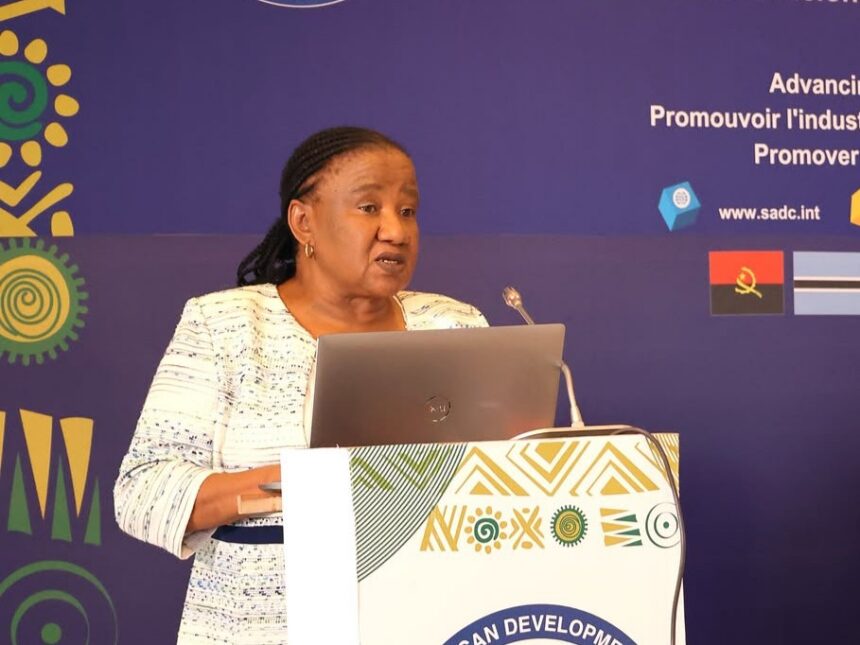
Dr Emily Mogajane, Chair of the National Foot and Mouth Disease Command Council, has been honoured with a Lifetime Achievement Award at the 2026 Southern African Society for Veterinary Epidemiology and Preventive Medicine Congress held in North West. The recognition celebrates a career that has contributed to veterinary medicine, animal health and the advancement of the profession in South Africa. Dr Mogajane holds a significant place in the country’s veterinary history as the first black woman to qualify as a veterinarian in South Africa. Her achievement broke an important barrier at a time when opportunities in the profession were not equally accessible to everyone. Her recognition at the 2026 SASVEPM Congress highlights the lasting impact of her work and the example she has created for generations of veterinary professionals.
Dr Mogajane’s achievement as the first black woman to qualify as a veterinarian in South Africa represents an important milestone in the country’s veterinary profession. Entering a highly specialised field and establishing herself within it required determination, professional expertise and a commitment to animal health. Her journey opened new possibilities for people who had previously seen limited representation within veterinary medicine. By becoming a qualified veterinarian, she demonstrated that professional barriers could be challenged and overcome through education and dedication. Her story continues to hold significance for young veterinary students and professionals who are building careers in animal health.
The Lifetime Achievement Award also recognises the broader contribution Dr Mogajane has made to veterinary epidemiology and preventive medicine. These fields are essential to protecting livestock populations, supporting farmers and reducing the risks posed by animal diseases. Veterinary professionals play a critical role in identifying disease threats, monitoring outbreaks and developing strategies that protect both individual animals and agricultural industries. Disease prevention can have significant economic consequences because livestock diseases can affect production, trade, food security and the livelihoods of farming communities. Dr Mogajane’s career has therefore contributed to an area of veterinary medicine that has importance far beyond individual animal care.
Her current role as Chair of the National Foot and Mouth Disease Command Council places her within an important national effort to coordinate responses to foot and mouth disease. FMD can have serious consequences for livestock producers and agricultural value chains because outbreaks can lead to movement restrictions, production losses and limitations on trade. Effective disease management requires cooperation between veterinary professionals, farmers, government authorities and other stakeholders. Surveillance, early detection, reporting, movement control and appropriate disease management measures all form part of efforts to reduce the impact of outbreaks. Dr Mogajane’s leadership in this area reflects the importance of experienced veterinary professionals in coordinating responses to major animal health challenges.
The recognition at the Southern African Society for Veterinary Epidemiology and Preventive Medicine Congress also highlights the importance of professional collaboration in animal health. Veterinary epidemiology relies on the sharing of information, research, field experience and disease surveillance data to improve understanding of animal health risks. Preventive medicine focuses on reducing disease risks before they become larger problems, making collaboration between professionals particularly important. Dr Mogajane used her message to fellow members to reinforce the value of staying connected and supporting one another. Her call reflects the need for veterinary professionals to work collectively as they respond to evolving animal health challenges across the region.
Her message also placed emphasis on the responsibility of veterinary professionals to continue advancing their profession. Veterinary medicine changes as new diseases emerge, farming systems develop and scientific knowledge improves. Professionals therefore need to continue learning, sharing expertise and supporting younger colleagues as they enter the field. Mentorship can be particularly important for students and early-career veterinarians who are developing their technical and professional skills. Dr Mogajane’s own career provides a strong example of how professional success can be combined with a responsibility to create opportunities for those who follow.
The significance of her achievement extends beyond the veterinary profession because animal health is closely connected to agriculture and rural livelihoods. Livestock farmers depend on healthy animals for income, food production and the sustainability of their businesses. Disease outbreaks can place considerable pressure on farmers, particularly those who operate with limited resources and have fewer options for recovering from production losses. Veterinary services and disease prevention programmes therefore play an important role in supporting agricultural communities. By contributing to animal health leadership and professional development, veterinary experts such as Dr Mogajane help strengthen the systems that farmers depend on to protect their livestock.
The award also provides an opportunity to recognise the importance of representation in specialised professions. When people from historically underrepresented backgrounds enter professional fields and succeed, they can provide visible examples for younger generations considering similar careers. Dr Mogajane’s journey demonstrates the potential impact of breaking barriers in a profession that requires extensive scientific training and professional commitment. Her achievement as the first black woman veterinarian in South Africa has become part of the country’s veterinary history. The legacy of that achievement can continue through the students, veterinarians and animal health professionals who are inspired to pursue careers in the field.
Her advice to remain connected and support one another is particularly relevant as veterinary professionals face complex challenges that cannot be addressed by individuals working in isolation. Animal diseases can cross farm, provincial and national boundaries, requiring coordinated surveillance and communication. Veterinarians also need to work with farmers, researchers, government departments and other agricultural stakeholders to develop effective responses to disease threats. Strong professional networks can improve the exchange of information and encourage collaboration when urgent animal health problems emerge. Supporting colleagues can also strengthen the profession by creating a culture in which knowledge and experience are shared across generations.
Dr Emily Mogajane’s Lifetime Achievement Award at the 2026 SASVEPM Congress therefore represents more than recognition for an individual career. It celebrates a pioneering journey that helped change the representation of veterinary medicine in South Africa while contributing to the broader field of animal health. Her leadership in the national response to foot and mouth disease demonstrates the continued relevance of her expertise at a time when livestock disease management remains a major agricultural priority. Her message to veterinary professionals reinforces the importance of unity, mentorship, collaboration and continued commitment to the profession. From becoming the first black woman to qualify as a veterinarian in South Africa to building a lasting legacy in animal health, Dr Mogajane’s journey shows how one professional achievement can create opportunities and inspiration for many generations that follow.
Join 'Farmers Mag' WhatsApp Channel
Get the latest Farming news and tips delivered straight to your WhatsApp
CLICK HERE TO JOIN