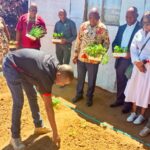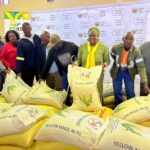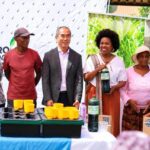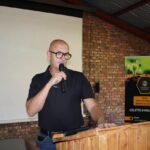

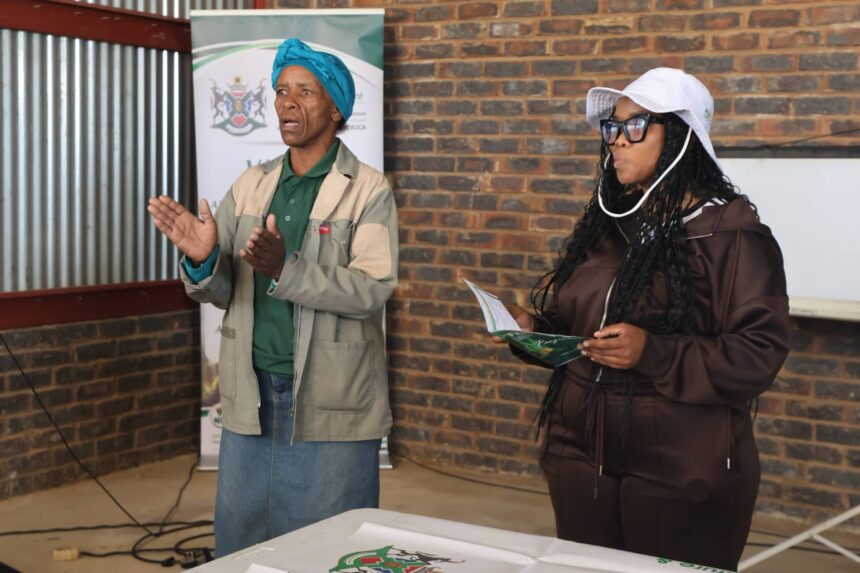
Mamusa Farmers Day is bringing farmers from across Mamusa Local Municipality together for a day focused on agricultural learning, knowledge-sharing and empowerment. Farmers from Amalia, Migdol, Glaudinah, Ipelegeng and surrounding areas have travelled to AA Queen of Chicken Farm in Palachoema, Schweizer-Reneke, to participate in the programme. The event provides an important platform for farmers to engage with agricultural experts and gain practical information that can support their farming operations. It also creates an opportunity for producers from different communities to share experiences, discuss challenges and learn from one another. With agriculture playing an important role in food production, rural livelihoods and local economic activity, initiatives such as Mamusa Farmers Day can help strengthen the capacity of farmers to build sustainable enterprises.
The Office of Agriculture in the region has brought together agricultural experts to engage directly with farmers on a range of topics relevant to their daily operations. Bringing technical specialists closer to farmers allows producers to ask questions about challenges they face and receive information that can help them make better decisions. Farmers often have to manage multiple aspects of production, including livestock, crops, natural resources, finances, markets and changing weather conditions. Access to reliable agricultural information can help them improve their practices and reduce some of the risks associated with farming. The Farmers Day therefore serves as more than a public gathering, providing a practical learning environment where farmers can strengthen their knowledge and connect with agricultural support services.
The strong attendance from different parts of Mamusa Local Municipality demonstrates the interest among farmers in opportunities that can improve their knowledge and strengthen their businesses. The hall at the event is packed with farmers from communities including Amalia, Migdol, Glaudinah and Ipelegeng, creating an environment where producers can engage directly with experts and fellow farmers. Farmers from surrounding areas have also joined the programme, broadening the reach of the knowledge-sharing initiative. Such gatherings can help farmers identify common challenges and consider different approaches to improving production. They also create opportunities for producers to build networks that may become valuable as they seek information, services, markets and other forms of agricultural support.
Knowledge-sharing remains an important part of agricultural development because farming conditions can change significantly from one season to another. Farmers need to understand how to respond to production risks while making decisions that protect their livestock, crops, land and income. Agricultural experts can provide guidance on technical matters and introduce farmers to practices that may improve productivity and resource management. At the same time, farmers bring valuable practical experience from their own operations, which can make peer-to-peer discussions equally useful. The exchange of knowledge during Farmers Day can therefore benefit both experienced producers and farmers who are still developing their agricultural enterprises.
The event also highlights the importance of collaboration between government and farming communities. Government agricultural offices can provide farmers with access to extension services, technical information and other support programmes, while farmers can communicate the challenges affecting production on the ground. This two-way engagement allows agricultural support to become more responsive to the needs of local producers. It can also help farmers understand what programmes and services are available and how they can access them. Continued interaction between government officials and farmers is therefore important for building trust and ensuring that agricultural development initiatives address practical needs.
Empowering farmers is closely connected to food security, particularly at local level. Farmers who can produce efficiently and maintain sustainable operations contribute to the availability of food within their communities and wider markets. Stronger agricultural businesses can also create employment opportunities and generate demand for services and inputs such as transport, equipment, animal health products, seed, feed and other supplies. This means that investment in farmers can have an impact beyond individual farming businesses. Supporting producers can contribute to stronger rural economies while helping communities become more resilient and better positioned to participate in the agricultural value chain.
The location of the event at AA Queen of Chicken Farm in Palachoema also provides a practical setting for agricultural engagement. Hosting a Farmers Day at a working farm can help connect discussions with real farming conditions and allow participants to consider how information can be applied in an operational environment. Farmers can exchange ideas about production methods and learn from the experiences of other producers who operate in similar conditions. This practical focus is important because agricultural knowledge becomes more valuable when farmers can translate it into actions on their own farms. Events that combine information, discussion and practical experience can therefore play an important role in strengthening agricultural skills.
For farmers in Mamusa Local Municipality, the event provides an opportunity to engage with issues that directly affect their agricultural operations. Producers from different communities may face different challenges, but they can also encounter common concerns related to production costs, access to resources, markets, climate conditions and farm management. Bringing these farmers together creates space for them to compare experiences and identify possible solutions. It also allows agricultural authorities to hear directly from producers about areas where additional support may be required. These conversations can help inform future agricultural programmes and strengthen cooperation between farmers and government.
The emphasis on empowerment also reflects the need to support farmers beyond short-term interventions. Sustainable agricultural enterprises require farmers to develop the knowledge and management skills needed to make informed decisions over many seasons. They must understand their production environment, manage available resources responsibly and identify viable markets for what they produce. Training and advisory services can help farmers build these capabilities while encouraging them to adopt practices that support long-term productivity. Farmers Days can contribute to this process by creating regular opportunities for producers to access information and engage with agricultural specialists.
Mamusa Farmers Day ultimately demonstrates the value of bringing farmers, agricultural experts and government representatives together around a shared goal of strengthening local agriculture. The participation of farmers from across the municipality shows the importance of accessible platforms where producers can learn, ask questions and exchange ideas. By focusing on knowledge, practical information and empowerment, the programme supports farmers as they work to improve their operations and develop sustainable agricultural enterprises. Stronger farming businesses can contribute to food security, employment and economic activity across Mamusa and surrounding communities. Continued collaboration between government and farmers will remain important as producers work to build productive, resilient and thriving agricultural businesses that can contribute to the future of the local economy.
Join 'Farmers Mag' WhatsApp Channel
Get the latest Farming news and tips delivered straight to your WhatsApp
CLICK HERE TO JOIN