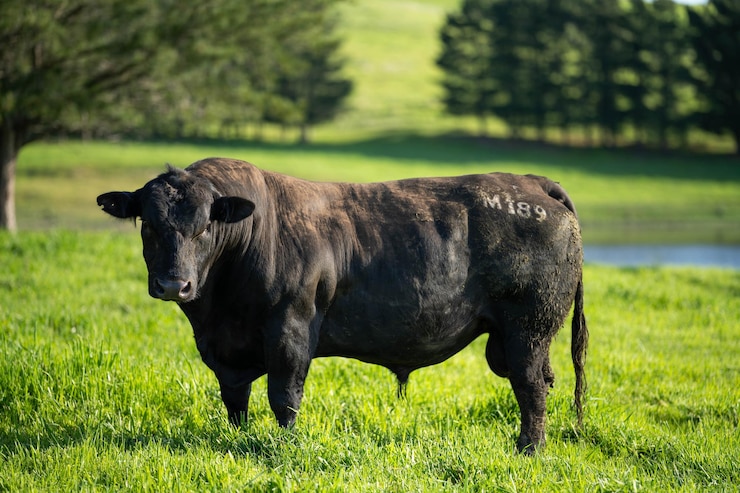
Proper livestock identification is an important responsibility for every farmer and a key measure in the fight against stock theft in South Africa. Under the Animal Identification Act No. 6 of 2002, livestock owners must ensure that their animals carry the required identification marks rather than relying on generic or informal markings. The legislation provides specific requirements for different types of livestock, including cattle, pigs and sheep. Correct identification also supports traceability, which is important when animals need to be linked to their owners, farms or movement records. For livestock farmers, compliance is therefore not only a legal requirement but also a practical step towards protecting valuable animals and supporting responsible animal management.
Cattle require a permanent form of identification under the requirements highlighted by the Department of Agriculture, with a registered hot-iron brand or an approved tattoo serving as an important means of establishing ownership. A permanent brand allows an animal to be identified even when ownership is disputed or the animal has been separated from its original herd. Farmers should ensure that the identification mark they use complies with the applicable requirements and is properly registered. A generic marking that does not meet the prescribed standard may not provide the same legal or practical protection as a recognised identification mark. Proper cattle identification should therefore form part of routine livestock management from the point at which animals become subject to the applicable identification requirements.
Pigs and sheep are also subject to specific identification requirements, including the use of ear tattoos. These markings provide a way of distinguishing animals and linking them to their owners or registered livestock operations. Farmers should understand the identification method applicable to each species rather than assuming that one type of marking is suitable for all livestock. Correct identification can make it easier to establish ownership and support traceability when animals are moved, sold or inspected. By ensuring that pigs and sheep carry the required ear tattoos, farmers can reduce uncertainty and strengthen their compliance with the legislation.
Registration is another important part of livestock identification compliance. Brands used for livestock identification must be registered with the Department of Agriculture in accordance with the applicable requirements. Farmers should not assume that simply creating a unique-looking mark automatically makes it a legally recognised identification brand. Registration establishes the connection between the identification mark and its owner, creating a more reliable system for identifying livestock. Farmers should therefore confirm that their registered brand remains valid and that their animals carry the correct mark before moving or selling them.
Livestock identification also plays an important role in traceability and disease management. When animals are properly marked, authorities and farmers can more easily establish where livestock originated and identify ownership when disease control measures are required. Traceability becomes particularly important when livestock move between farms, markets, auctions or other locations because animal movements can affect the spread of diseases. Accurate identification can help veterinary authorities investigate potential disease incidents and determine which animals or herds may have been exposed. This makes livestock marking relevant not only to stock theft prevention but also to broader animal health and agricultural biosecurity.
Stock theft remains a serious concern for livestock farmers, making reliable animal identification an important part of protecting herds. When livestock carry recognised identification marks, it becomes more difficult for criminals to conceal or falsely claim ownership of stolen animals. A clear connection between an animal and its registered owner can also assist authorities when investigating suspected stock theft. Farmers should nevertheless use identification as part of a broader security strategy that includes accurate records, responsible animal movement and regular monitoring of their herds. Effective identification strengthens the farmer’s position when ownership needs to be established.
The requirements also become particularly important when livestock are being transported. Farmers should ensure that animals meet the relevant identification requirements before they are moved from one location to another. Unmarked animals may be subject to seizure during transit where the applicable legal requirements have not been met, creating serious financial and logistical consequences for the owner. Farmers can avoid unnecessary problems by checking their livestock before transport and confirming that identification marks are present, legible and correctly registered. Taking these steps before animals leave the farm is far easier than dealing with complications after livestock have been stopped during transit.
Compliance should therefore be treated as an ongoing part of livestock management rather than a once-off administrative task. Farmers should regularly inspect their animals and confirm that required identification marks remain visible and usable. They should also maintain accurate ownership and movement records that correspond with the identification of their livestock. When buying animals, farmers should verify the identification and ownership information before completing the transaction. These practices can help prevent disputes and provide stronger documentation if animals are lost, stolen, sold or involved in a disease investigation.
The requirements under Act No. 6 of 2002 also reinforce the importance of responsible livestock ownership across the agricultural sector. Proper identification creates a more structured system in which livestock can be linked to their owners and traced when necessary. This can support enforcement efforts against stock theft while also improving the ability of authorities to manage animal health risks. Farmers who comply with identification requirements contribute to a more reliable livestock traceability system that benefits individual producers and the broader agricultural industry. Compliance also demonstrates that livestock owners are taking reasonable steps to protect their animals and meet their legal responsibilities.
Farmers should take action to ensure that their cattle, pigs and sheep are correctly marked according to the requirements applicable to each species. Cattle require the appropriate permanent identification, while pigs and sheep require the specified ear tattoos, and brands must be registered with the Department of Agriculture. Farmers should also check their animals before transport because unmarked livestock can face enforcement action, including seizure where the law provides for it. Proper livestock identification strengthens protection against stock theft, supports lifelong traceability and contributes to effective disease control. By complying with Animal Identification Act No. 6 of 2002 today, livestock owners can protect their animals, support responsible farming practices and help strengthen South Africa’s livestock traceability system.
Join 'Farmers Mag' WhatsApp Channel
Get the latest Farming news and tips delivered straight to your WhatsApp
CLICK HERE TO JOIN