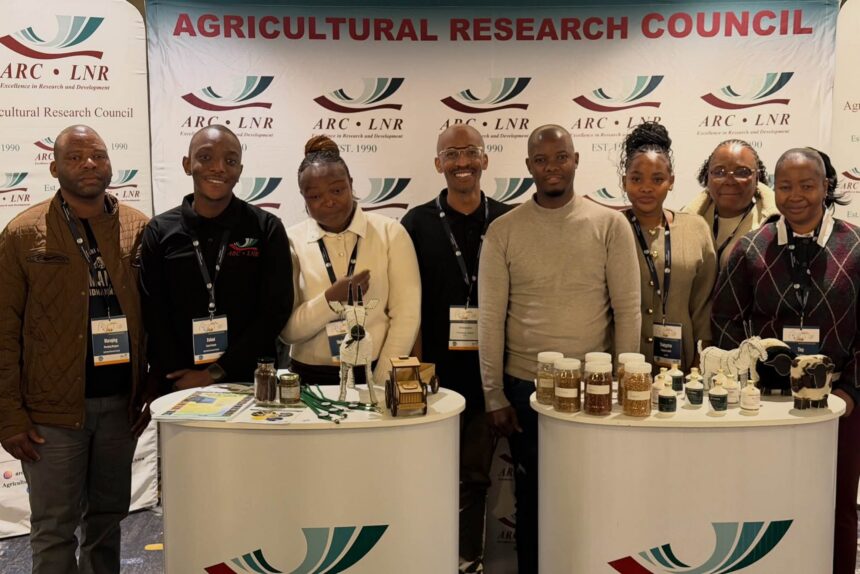
Livestock farmers are facing an increasingly complex animal health environment, making disease prevention and strong farm management more important than ever. The Agricultural Research Council is contributing to these discussions at the Southern African Society for Veterinary Epidemiology and Preventive Medicine Congress, taking place from 19 to 21 August under the theme “Veterinary Preventive Medicine for a Changing World: Southern Africa Leads.” The congress brings together veterinary researchers, epidemiologists, animal health professionals and other agricultural stakeholders to share research and practical knowledge on disease prevention. The ARC’s participation is particularly relevant to farmers because the research presented can help improve preparedness, biosecurity and livestock health management. With diseases such as African swine fever and bluetongue continuing to require close monitoring, access to reliable veterinary research can help farmers protect their animals and reduce potential production losses.
African swine fever was one of the key issues addressed during the first day of the congress. Juanita van Emmenes presented research on African swine fever outbreak management in South African commercial piggeries, focusing on biosecurity challenges, response strategies and the economic impacts associated with the disease and climate. African swine fever presents a major risk to pig producers because outbreaks can lead to animal deaths, production disruptions and significant financial losses. Farmers cannot rely on treatment to solve an outbreak, which makes prevention, early detection and effective containment especially important. Research into previous outbreaks can help producers identify weaknesses in their systems and strengthen measures designed to prevent the disease from entering or spreading within their operations.
For pig farmers, biosecurity remains one of the most practical tools available for reducing African swine fever risks. Farmers need to carefully manage who enters their piggery and how people, vehicles, equipment and animals move around the production area. Cleaning and disinfection procedures should form part of routine farm management rather than only being introduced when there is a disease threat. Farmers should also pay close attention to contact with other pigs and potential sources of contamination outside the farm. A strong biosecurity plan can reduce the chances of disease entering a herd while also helping farmers respond more quickly if a suspected case occurs.
Disease prevention also requires farmers to understand the economic consequences of an outbreak. African swine fever can result in direct losses when animals die, but the financial impact can extend to movement restrictions, production interruptions, veterinary interventions and market disruptions. Commercial pig farms are also connected to feed suppliers, transport operators, processors and other businesses, meaning an outbreak can have wider economic effects. Farmers who invest in prevention may therefore protect not only their livestock but also the continuity of their businesses. Understanding the financial risks associated with disease can encourage producers to treat biosecurity and animal health planning as essential business investments.
Climate was another important aspect of the African swine fever research presented at the congress. Changing environmental conditions can influence livestock production and the risks associated with animal diseases. Farmers may need to adapt their management practices as weather patterns and environmental conditions change. This makes it important for producers to pay attention to veterinary information and disease alerts while maintaining effective farm records. Understanding how environmental conditions interact with animal health can help farmers prepare for risks rather than waiting until an outbreak has already affected their operations.
The ARC is also contributing research on bluetongue in South Africa, with Xolani Fakude presenting work on the seroprevalence and incidence of the disease. Bluetongue is an important livestock health concern, and understanding how widely animals have been exposed can help veterinary authorities and farmers assess disease risks. Research into seroprevalence provides information about previous exposure within livestock populations, while incidence helps researchers understand the occurrence of new cases. This information can support better surveillance and disease management decisions. For farmers, stronger disease surveillance can provide useful evidence when assessing health risks and planning appropriate preventive measures.
Livestock farmers can benefit from understanding the importance of disease monitoring even when their animals appear healthy. Some diseases can spread before farmers recognise clear signs, making regular observation and good record keeping important parts of farm management. Farmers should monitor animals for unusual behaviour, illness, changes in production and other warning signs and report suspected diseases through the appropriate veterinary channels. Early reporting can help authorities investigate potential cases and take action before a disease spreads more widely. Working closely with veterinarians and agricultural extension officers can also help farmers develop disease prevention plans suited to their livestock and production systems.
The research presented at the SASVEPM Congress also highlights why farmers should not view veterinary services as something needed only during emergencies. Preventive veterinary medicine focuses on identifying risks and taking action before disease causes serious damage. Regular health assessments, vaccination where appropriate, biosecurity, surveillance and good livestock management can all form part of a preventive approach. Farmers who adopt these practices can improve animal welfare while protecting productivity and reducing avoidable costs. Preventive animal health is therefore closely connected to the financial sustainability of livestock farming.
The changing agricultural environment also makes cooperation between farmers and researchers increasingly important. Researchers can provide evidence about disease patterns, risk factors and effective prevention methods, while farmers can provide valuable information about what is happening on the ground. Veterinarians and extension officers can help translate research findings into practical recommendations for individual farms. Sharing information quickly can also improve responses when new disease risks emerge. Strong communication between the research community and farmers can therefore help ensure that scientific knowledge has a practical impact on livestock production.
The congress theme, “Veterinary Preventive Medicine for a Changing World: Southern Africa Leads,” reflects the need to prepare for changing animal health conditions. Livestock production is influenced by climate, animal movement, trade, farming practices and environmental conditions, all of which can affect disease risks. Farmers need to remain informed and adapt their management practices as new evidence becomes available. Research institutions such as the ARC have an important role in providing the scientific information needed to support these decisions. Events such as the SASVEPM Congress create opportunities for specialists to share findings that can ultimately strengthen disease prevention on farms.
The ARC’s contribution to the SASVEPM Congress demonstrates the practical value of veterinary research for South African livestock farmers. Research into African swine fever outbreak management can help pig producers strengthen biosecurity and prepare for potential disease threats, while bluetongue research can improve understanding of livestock disease patterns and surveillance. Climate-related disease risks also highlight the need for farmers to remain flexible and responsive as environmental conditions change. Strong farm biosecurity, regular animal monitoring, early reporting and close cooperation with veterinary professionals remain important tools for protecting livestock. By connecting scientific research with practical farming, South Africa can strengthen animal health systems, reduce disease-related losses and support a more resilient and sustainable livestock sector.
Join 'Farmers Mag' WhatsApp Channel
Get the latest Farming news and tips delivered straight to your WhatsApp
CLICK HERE TO JOIN