

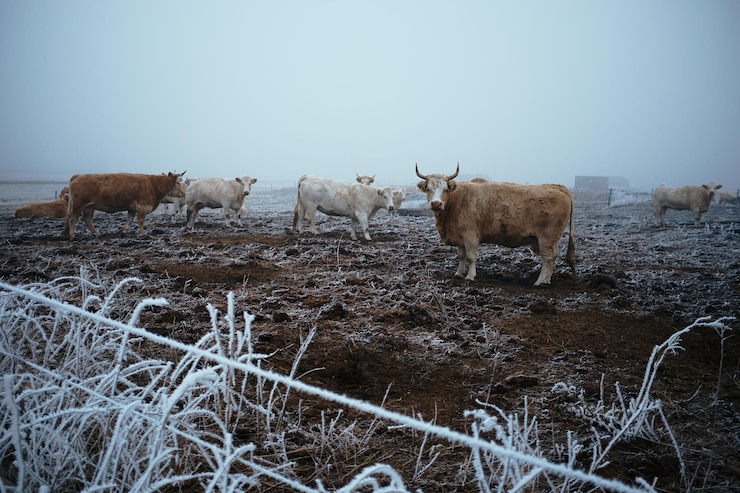
Livestock farmers across Mpumalanga are facing serious challenges after a severe cold spell and adverse weather conditions led to the deaths of hundreds of animals across the province. The MEC for Agriculture, Rural Development, Land and Environmental Affairs, Ms Khethiwe Moeketsi, has expressed concern following preliminary reports of significant livestock losses linked to hypothermia. Departmental assessments conducted across the province found that, as of Thursday, 13 August 2026, more than 320 cattle, 40 goats and 10 sheep had died, with the number potentially still increasing. The losses have created additional pressure for farmers and rural households that depend on livestock for income, food and household security. The situation has prompted the Department to urge farmers to take immediate precautions to protect vulnerable animals as extremely cold conditions continue across Mpumalanga and other parts of the country.
The reported livestock deaths highlight how quickly extreme weather can threaten animals when they remain exposed to cold, rain, wind and wet conditions for prolonged periods. Hypothermia occurs when an animal loses body heat faster than it can produce it, causing its body temperature to fall to dangerous levels. Young calves, pregnant animals, weak livestock and animals that are already in poor condition can face a particularly high risk during severe weather. Wet coats and exposure to cold ground can make the problem worse because animals lose body heat more rapidly under these conditions. Farmers therefore need to monitor their herds closely and act early rather than waiting until animals show severe signs of cold stress.
MEC Moeketsi described the loss of livestock as deeply concerning, particularly because cattle, goats and sheep are important assets for farmers and rural communities. Livestock provide income, food and financial security for many households, while cattle can also represent a significant long-term investment for farming families. Losing animals during a severe weather event can therefore have consequences that extend beyond the immediate financial value of the livestock. Reduced herd numbers can affect future breeding plans, meat production and the ability of farmers to generate income from their operations. The Department has consequently encouraged farmers to cooperate with officials on the ground so that support and technical advice can reach affected communities as quickly as possible.
One of the immediate measures farmers can take is to provide livestock with protection from strong winds and rain. Farmers can use existing structures, shelters, windbreaks or suitable materials such as corrugated sheets to block the direction from which cold wind and rain are coming. The objective is to reduce direct exposure while still ensuring that animals have adequate ventilation and enough space to move safely. Even relatively simple shelter arrangements can provide important protection when temperatures drop sharply. Farmers should inspect existing kraals and shelters for gaps or damaged sections and make practical improvements before another period of severe weather arrives.
Keeping animals dry is equally important because wet livestock can lose body heat much faster than animals with dry coats. Farmers should consider moving animals to higher ground where possible, particularly when heavy rain creates waterlogged conditions in kraals, grazing areas or holding pens. Standing water can increase exposure to cold and make it difficult for animals to maintain body temperature. Farmers should also monitor drainage around shelters and ensure that animals have access to relatively dry areas where they can rest. Moving vulnerable animals away from wet and exposed areas can reduce cold stress and improve their chances of coping with extremely low temperatures.
Providing insulation from cold ground can also help livestock conserve body heat. Farmers can place dry grass, straw or suitable kraal manure in resting areas to create a layer between animals and the cold ground. This bedding should be kept as dry as possible and replaced or topped up when it becomes wet or heavily soiled. A dry resting surface can provide additional protection during periods when temperatures remain low for extended periods. Farmers with limited resources should focus first on creating dry, sheltered areas for calves, pregnant animals and other livestock that are most vulnerable to cold stress.
Nutrition becomes particularly important during severe cold because animals use more energy to maintain their body temperature. Farmers are encouraged to provide additional feed, particularly roughage and appropriate energy-rich supplements where available and suitable for the animals. Good-quality roughage can support the energy requirements of livestock while providing the fibre needed for normal digestion. Energy block supplements may also be used as part of a suitable feeding programme, but farmers should seek advice on appropriate quantities and feeding practices. Ensuring that animals have sufficient access to nutritious feed can help them maintain body condition and cope better with cold weather.
Water management also requires attention during freezing conditions. Farmers should check water points regularly and remove or replace water that has frozen or become inaccessible to animals. Livestock still need adequate water during cold weather, even when temperatures are low. Water containers should be inspected frequently to ensure that animals can drink without difficulty. Farmers should also keep drinking areas as clean as possible to reduce the risk of disease and ensure that animals continue consuming enough water. Regular checks are especially important during prolonged cold periods when conditions can change quickly.
Farmers should pay particular attention to calves, pregnant animals and livestock that are weak, sick or in poor body condition. These animals may have less ability to withstand severe cold and can deteriorate more quickly than healthy adult animals. Farmers should check vulnerable animals frequently and move them into protected areas where necessary. Signs of severe cold stress or unusual behaviour should not be ignored, particularly when an animal becomes weak, isolated or unable to stand properly. Prompt contact with veterinary or extension officials can help farmers determine the appropriate response and prevent further losses.
Grouping animals can also help livestock conserve warmth during severe cold because animals can huddle together for protection. Farmers should ensure that groups are managed safely and that there is enough space for animals to move without crowding or injury. Vulnerable animals may require additional protection even when the rest of the herd is grouped together. Farmers should also ensure that shelter areas remain adequately ventilated because poor air circulation and excessive moisture can create additional health problems. Good herd management during extreme weather requires farmers to balance warmth, dryness, ventilation, feeding and access to clean water.
The current losses also demonstrate why livestock farmers should prepare for extreme weather before severe conditions arrive. Farmers can reduce risks by identifying suitable shelter areas, storing appropriate feed and bedding materials and checking water infrastructure before winter weather becomes severe. Regular monitoring of weather forecasts can also help producers make timely decisions about moving livestock and increasing feed or shelter. Maintaining accurate livestock records can assist farmers in tracking losses, breeding stock and vulnerable animals during difficult periods. Weather preparedness should form part of normal farm management because sudden cold events can cause significant losses within a short period.
The Mpumalanga Department of Agriculture, Rural Development, Land and Environmental Affairs has encouraged affected farmers to work closely with extension and veterinary officials in their nearest DARDLEA offices. These officials can provide guidance on supplementary feeding, shelter arrangements and management practices for animals exposed to extreme weather. Farmers can also use these services to discuss the condition of vulnerable livestock and seek advice when animals show signs of illness or severe cold stress. Early communication can help officials understand the scale of the problem and identify where additional support may be needed. Cooperation between farmers and agricultural authorities is therefore an important part of responding to the current weather-related livestock losses.
The deaths of more than 320 cattle, 40 goats and 10 sheep reported in Mpumalanga by 13 August 2026 serve as a serious reminder of the impact that extreme weather can have on livestock farming. For affected farmers, the losses represent more than numbers because livestock are important sources of income, food and financial security. Farmers who are still managing their herds through the cold spell should focus on shelter, dry conditions, adequate feed, clean water and close monitoring of vulnerable animals. They should also contact their nearest DARDLEA extension or veterinary office for practical advice on managing livestock during extreme weather. With early action, careful monitoring and cooperation between farmers and agricultural officials, producers can reduce the risk of further losses and protect their livestock through the remainder of the severe cold period.
Join 'Farmers Mag' WhatsApp Channel
Get the latest Farming news and tips delivered straight to your WhatsApp
CLICK HERE TO JOIN




