

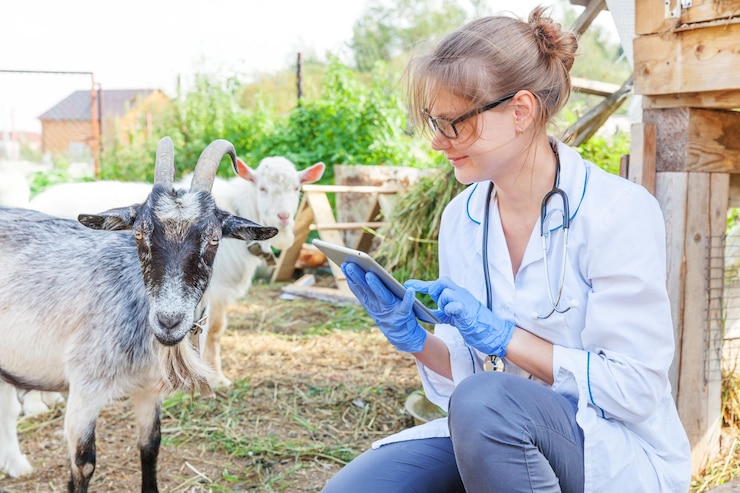
Livestock health plays an important role in protecting farm incomes, food production and the long-term sustainability of agricultural businesses across Gauteng. The Gauteng Department of Agriculture and Rural Development, known as GDARD, provides free State Veterinary services to help livestock owners manage animal health and reduce the risks associated with infectious diseases. These services include routine vaccinations, disease surveillance, animal movement permits and clinical advisory support. Access to veterinary services can help farmers identify potential health problems earlier and take appropriate action to protect their herds. By using available State Vet support, livestock owners can strengthen herd health while contributing to broader disease prevention efforts across the province.
Routine vaccination is one of the important services available through the State Veterinary system. Vaccinations can help protect livestock against serious diseases and form part of responsible herd health management. GDARD provides vaccination services for diseases including rabies and anthrax, which can pose significant risks to animals and, in some circumstances, people. Farmers should discuss appropriate vaccination schedules with veterinary officials because disease risks and vaccination requirements can vary depending on the type of livestock and the circumstances in a particular area. Keeping vaccination records up to date can also help farmers monitor herd health and demonstrate that appropriate preventive measures are being followed.
Disease surveillance is another important part of the veterinary support provided by GDARD. Monitoring livestock populations helps veterinary authorities identify potential disease outbreaks and respond before problems spread more widely. Diseases such as foot-and-mouth disease and brucellosis can have serious consequences for livestock producers, animal movement and agricultural trade. Farmers play an important role in surveillance by reporting animals showing unusual symptoms or signs of disease to the appropriate veterinary authorities. Early reporting can improve the chances of containing a disease and reducing the impact on individual farms and surrounding livestock operations.
Foot-and-mouth disease remains an important concern for livestock producers because it can spread rapidly among susceptible animals. Farmers should remain alert to signs of illness and follow official veterinary guidance when disease concerns arise. Movement controls and other measures may be introduced when authorities identify a disease risk, making communication between farmers and State Veterinary services essential. Regular surveillance helps authorities maintain a clearer picture of animal health conditions across different regions. Farmers who report concerns promptly can therefore contribute to protecting not only their own animals but also other livestock operations in their communities.
Brucellosis is another disease included in livestock disease surveillance and requires careful attention from farmers. The disease can affect cattle and other animals and can have implications for both animal production and public health. Farmers should seek professional veterinary advice when they suspect that animals may be affected rather than attempting to diagnose or treat a serious disease without guidance. Veterinary officials can provide appropriate advice on testing, management and disease control measures. Regular monitoring and responsible herd management can help reduce the risks associated with livestock diseases.
Animal movement permits are also an important part of the State Veterinary services available to livestock owners. Moving animals between farms, markets and other locations can create opportunities for diseases to spread if appropriate controls are not followed. Movement permits and related veterinary requirements help authorities monitor livestock movements and manage disease risks. Farmers should check the applicable requirements before moving livestock and contact their regional State Vet clinic when they need assistance. Following movement regulations can protect individual herds while supporting wider disease control efforts across Gauteng.
Clinical advisory services provide another important source of support for livestock owners. Farmers may encounter health problems involving individual animals or larger groups within their herds and may not always know what action to take. Veterinary officials can provide guidance based on the symptoms, circumstances and available information. Seeking professional advice early can help farmers avoid delays in addressing potentially serious health problems. Clinical support can therefore form an important part of an overall herd health plan, particularly for farmers who may have limited access to private veterinary services.
The availability of free State Veterinary services can be particularly valuable for small-scale and emerging livestock farmers. Veterinary care can represent a significant cost for producers, especially when several animals require attention or when disease prevention measures need to be implemented across a herd. Government-supported services can improve access to essential animal health interventions for livestock owners who may otherwise struggle to obtain them. This support can contribute to healthier animals and more resilient farming operations. Farmers should make use of available services rather than waiting until a disease problem has already caused significant losses.
Livestock owners also have an important responsibility to maintain good animal health practices on their farms. Regular observation of animals can help farmers identify changes in behaviour, appetite, movement or physical condition that may indicate illness. Farmers should maintain clean facilities, provide appropriate feed and water and follow recommended vaccination and disease prevention programmes. New animals should also be managed carefully to reduce the risk of introducing disease into an established herd. Working closely with veterinary officials can help farmers develop practical health management practices suited to their livestock and farming conditions.
GDARD’s regional State Vet clinics provide farmers with a direct point of contact for accessing veterinary support. Livestock owners in the Tshwane Region can contact the State Vet services on 012 310 7300, while farmers in the West Rand Region can call 011 411 4300. Livestock owners in the Sedibeng Region can contact the State Vet services on 016 421 2100. Farmers should use these regional contacts to find out about clinic locations, available services and the appropriate support for their livestock. Establishing contact with the relevant veterinary office can help farmers respond more quickly when they need vaccination, disease surveillance or other animal health assistance.
Strong livestock health systems benefit individual farmers as well as the broader agricultural sector. Healthy animals are more productive, while effective disease prevention can reduce losses and protect agricultural markets. Veterinary surveillance also gives authorities important information that can guide disease control measures across the province. Farmers who participate in vaccination programmes, report suspected diseases and comply with animal movement requirements contribute to this wider system of protection. Cooperation between livestock owners and veterinary authorities is therefore essential for maintaining animal health and protecting Gauteng’s livestock industry.
GDARD’s free State Vet services provide Gauteng livestock owners with practical support for maintaining healthy and protected herds. Routine vaccinations, disease surveillance, movement permits and clinical advisory services can help farmers prevent disease, respond to health concerns and manage livestock responsibly. Farmers should not wait for serious problems to develop before contacting veterinary officials, especially when they notice unusual symptoms or disease risks within their herds. By contacting their regional State Vet clinic, livestock owners can access guidance and determine what services are available in their area. Protecting livestock health requires ongoing attention, and strong cooperation between farmers and veterinary authorities can help build a healthier, more resilient livestock sector across Gauteng.
Join 'Farmers Mag' WhatsApp Channel
Get the latest Farming news and tips delivered straight to your WhatsApp
CLICK HERE TO JOIN




