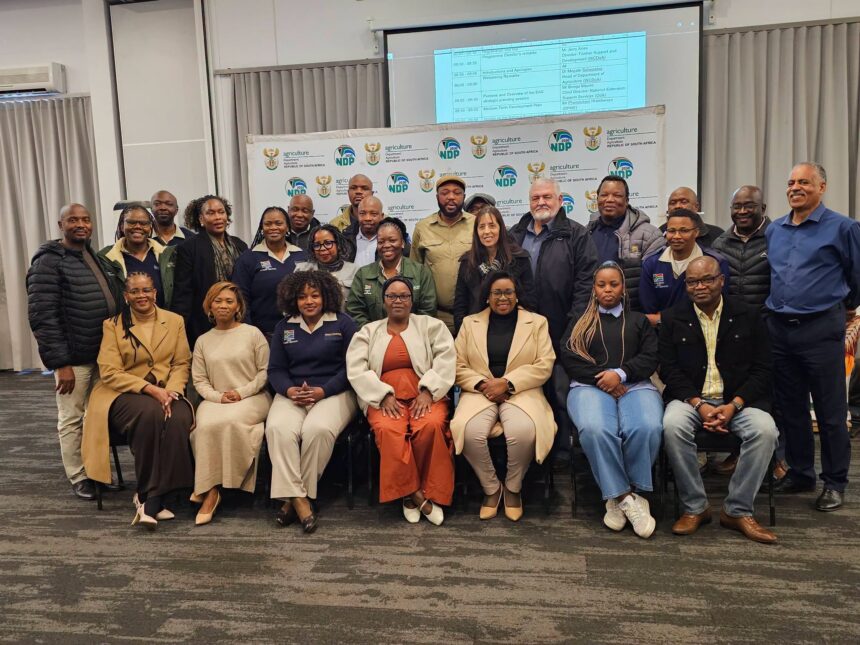
The first day of the 2027/28 Extension and Advisory Services Strategic Planning Session has wrapped up with a strong focus on a priority that matters directly to farmers: turning policy and plans into practical support on the ground. Extension and advisory services play a vital role in helping farmers access technical knowledge, solve production challenges and make informed decisions. For many farmers, an extension officer is an important link between agricultural research, government programmes and what happens on the farm. Strengthening this connection can help ensure that farmers receive useful information at the right time and in a form they can apply. The discussions therefore focused on building an extension system that moves beyond planning and delivers measurable value to farmers and agricultural communities.
A major focus of the session was stronger collaboration between the people and organisations involved in agricultural development. Farmers face challenges that often require more than one type of expertise, whether the issue involves livestock health, crop production, water management, markets, finance or changing weather conditions. Extension officers, researchers, government departments, industry organisations and farmers all have different knowledge and experience that can contribute to solving these challenges. Better collaboration can help reduce gaps in support and ensure that information reaches farmers more efficiently. It can also help ensure that agricultural programmes are designed with the realities of farming in mind.
The farmer-centred approach discussed during the session is particularly important for South Africa’s diverse farming sector. Farmers operate under very different conditions depending on their location, production system, available resources and access to markets. A smallholder livestock farmer may require very different support from a commercial grain producer or a farmer entering a high-value horticultural market. Extension services need to understand these differences when providing advice and developing programmes. Listening to farmers and using their feedback can help ensure that advisory services address actual challenges rather than relying on one approach for every farming situation.
Innovation is also becoming increasingly important in agricultural extension. Farmers need access to new production techniques, improved technologies and information that can help them increase efficiency and manage risks. Digital tools can help extension officers communicate information quickly through mobile platforms, online resources and other communication channels. These tools can be useful when farmers need timely information about weather conditions, pests, diseases, markets or other developments that can affect production. Technology should support face-to-face engagement rather than replace it, particularly in farming communities where reliable internet access or digital skills may vary.
For farmers, the real test of any agricultural strategy is whether it improves what happens on the farm. Policies and strategic documents provide direction, but farmers ultimately need practical advice that can help them address everyday production challenges. An extension programme should therefore provide information that farmers can apply, whether that means improving soil management, managing livestock, preparing for weather risks or accessing agricultural markets. Extension officers also need the resources and training required to provide this support effectively. Stronger links between policy, research and practical farming can help ensure that knowledge moves from agricultural institutions into farmers’ fields.
The move from policy to practice also requires clear accountability. Farmers need to know that agricultural support programmes are not simply developed and then left on paper. Institutions should be able to track whether services are reaching farmers, whether farmers are receiving useful advice and whether programmes are producing measurable results. Regular monitoring can help identify problems and allow agricultural authorities to adjust their approach when necessary. It can also help highlight successful practices that could be expanded to benefit more farming communities. A results-driven approach can make extension services more responsive to the needs of farmers.
Extension officers themselves remain an important part of this process. They work directly with farmers and often have a clear understanding of the challenges affecting agricultural communities. Giving extension officers access to relevant training, technology, research and operational resources can strengthen the quality of the support they provide. They also need strong communication channels with researchers and other specialists so that they can access current information when farmers require technical assistance. Supporting extension officers ultimately supports farmers because better-equipped officials can provide more relevant and timely advice.
Farmers should also be viewed as partners in agricultural development rather than simply recipients of government support. Farmers have valuable practical knowledge about their production systems, local conditions and the challenges they face throughout the farming year. This experience can help policymakers and agricultural officials understand whether proposed interventions are realistic and useful. Regular engagement with farmers can also help identify emerging problems before they become larger challenges. Creating stronger feedback between farmers and extension services can therefore improve both the quality of advice and the design of future agricultural programmes.
The focus on turning support into impact is particularly relevant as farmers face increasing pressure to produce efficiently and manage rising risks. Weather variability, input costs, market conditions, pests and diseases can all affect farm profitability and production decisions. Farmers need advisory services that can help them respond to these challenges with practical information and appropriate solutions. Stronger coordination between agricultural institutions can make it easier to provide this support. The 2027/28 planning process provides an opportunity to examine how extension services can become more responsive to the realities farmers face every season.
The first day of the strategic planning session has therefore established a clear message for the future of agricultural extension and advisory services. Farmers need more than policies and plans. They need reliable information, practical guidance, access to innovation and support that reflects the conditions on their farms. Strong collaboration can connect farmers with the expertise and resources they need, while a farmer-centred approach can ensure that services remain relevant. As discussions continue, the focus will be on turning strategy into action and action into results that farmers can see in their fields, orchards, livestock operations and agricultural businesses.
Join 'Farmers Mag' WhatsApp Channel
Get the latest Farming news and tips delivered straight to your WhatsApp
CLICK HERE TO JOIN