

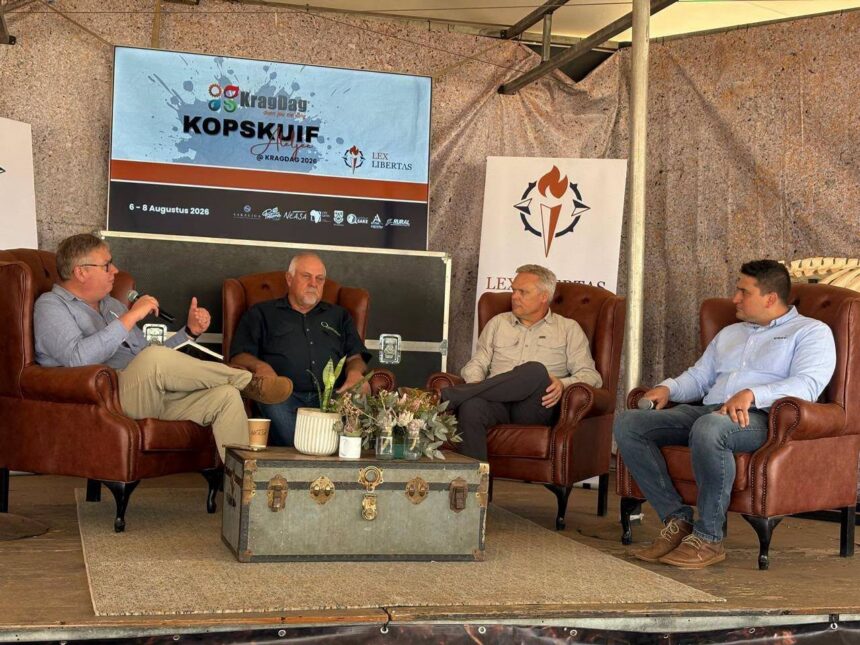
Minister of Agriculture Willie Aucamp has called on farmers, veterinarians, industry stakeholders and government institutions to work together in strengthening South Africa’s fight against Foot-and-Mouth Disease (FMD). Speaking during an FMD panel discussion at Kragdag in Gauteng, the Minister emphasised that biosecurity is not simply a set of rules or regulations but a shared responsibility that requires commitment from everyone involved in the livestock sector. The discussion focused on the importance of cooperation in preventing, managing and reducing the impact of animal diseases. Aucamp highlighted that protecting the country’s livestock industry requires a united approach where each stakeholder understands their role. His message reinforced the importance of teamwork in building a stronger and more resilient agricultural sector.
Foot-and-Mouth Disease remains one of the most significant animal health challenges affecting livestock producers because it can have serious consequences for farming operations, markets and rural livelihoods. The disease affects cloven-hoofed animals such as cattle, sheep, goats and pigs, making effective prevention and control measures essential. Outbreaks can disrupt livestock movement, affect trade opportunities and create financial pressure for farmers who depend on healthy animals for income. Biosecurity measures are therefore critical in reducing risks and preventing the spread of disease between farms and regions. Minister Aucamp’s message at Kragdag highlighted that managing FMD requires more than government intervention because farmers and industry participants also play a central role.
The Minister’s emphasis on shared responsibility reflects the reality that biosecurity begins at farm level and extends throughout the entire agricultural value chain. Farmers have an important role in implementing preventative measures, monitoring livestock health and reporting suspected cases quickly. Veterinarians contribute through disease surveillance, technical advice, testing and guidance on appropriate animal health practices. Industry organisations and agricultural businesses also support disease management by helping farmers access information, resources and services. Government provides regulations, coordination and national strategies, but effective disease control depends on cooperation between all these groups.
The FMD panel discussion at Kragdag provided a platform for stakeholders to discuss the challenges facing the livestock sector and the importance of coordinated responses. Events such as Kragdag bring together farmers, agricultural experts, businesses and policymakers to exchange knowledge and address issues affecting the industry. The discussion created an opportunity to highlight the importance of prevention, early detection and responsible livestock management. By encouraging open dialogue, stakeholders can identify practical solutions and strengthen systems designed to protect animal health. The participation of the Minister also demonstrated the importance of maintaining communication between government and those directly involved in livestock production.
Biosecurity measures include a range of practices designed to reduce the risk of disease entering or spreading within farming operations. These measures can include monitoring animal movements, maintaining proper hygiene, controlling access to livestock areas and working closely with veterinary professionals. Farmers who follow strong biosecurity practices help protect their own animals while also contributing to the protection of the wider livestock sector. Small actions taken at individual farms can have a significant impact when adopted across farming communities. A coordinated approach ensures that disease prevention becomes part of everyday agricultural practices rather than only a response during outbreaks.
Veterinary services remain an important part of South Africa’s FMD response because animal health professionals provide the expertise needed to identify and manage disease risks. Veterinarians work with farmers to assess livestock health, provide advice and support vaccination and surveillance programmes where required. Their role also includes educating farmers about symptoms, reporting procedures and prevention strategies. Strong collaboration between farmers and veterinary professionals can improve early detection and reduce the potential impact of outbreaks. Ensuring that veterinary services remain accessible and effective is therefore an important component of protecting the livestock industry.
The livestock sector contributes significantly to South Africa’s agricultural economy and supports thousands of farmers and rural communities. Healthy livestock contributes to food security, income generation and economic activity throughout the value chain. Protecting animals from diseases such as FMD is therefore not only an agricultural concern but also an economic priority. Farmers rely on stable production conditions and access to markets to sustain their businesses. Strengthening biosecurity measures helps create a more reliable environment where livestock producers can continue contributing to the country’s food supply and economy.
Minister Aucamp’s message also highlighted the importance of unity among stakeholders when responding to agricultural challenges. Diseases such as FMD do not recognise individual farm boundaries, which means that cooperation between neighbouring farmers and different sectors is essential. A single gap in biosecurity practices can create risks that affect wider farming communities and markets. Working together allows stakeholders to share information, respond quickly and improve disease management systems. The principle of one sector, one responsibility and one team reflects the need for collective action in protecting South Africa’s livestock resources.
The focus on collaboration also aligns with broader efforts to build a more resilient agricultural sector. Climate challenges, animal diseases, market pressures and changing production conditions require farmers and stakeholders to adapt continuously. Resilience comes from strong systems, informed decision-making and partnerships that allow the sector to respond effectively during difficult periods. By strengthening biosecurity and cooperation, South Africa can improve its ability to manage livestock health risks. The discussions at Kragdag highlighted that long-term success in agriculture depends on shared commitment and practical action.
The message delivered by Minister Willie Aucamp at the FMD panel discussion serves as a reminder that protecting South Africa’s livestock sector is a responsibility shared by everyone involved in agriculture. Farmers, veterinarians, industry leaders and government institutions each have a role to play in preventing disease and supporting sustainable livestock production. Strong biosecurity practices, open communication and coordinated action can help reduce the risks associated with Foot-and-Mouth Disease. The future of the livestock sector depends on stakeholders working together with a common goal of protecting animals, supporting farmers and strengthening food security. Through unity and shared responsibility, South Africa can build a stronger defence against FMD and create a more resilient agricultural future.
Join 'Farmers Mag' WhatsApp Channel
Get the latest Farming news and tips delivered straight to your WhatsApp
CLICK HERE TO JOIN




