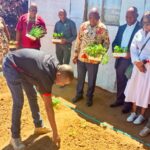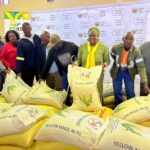

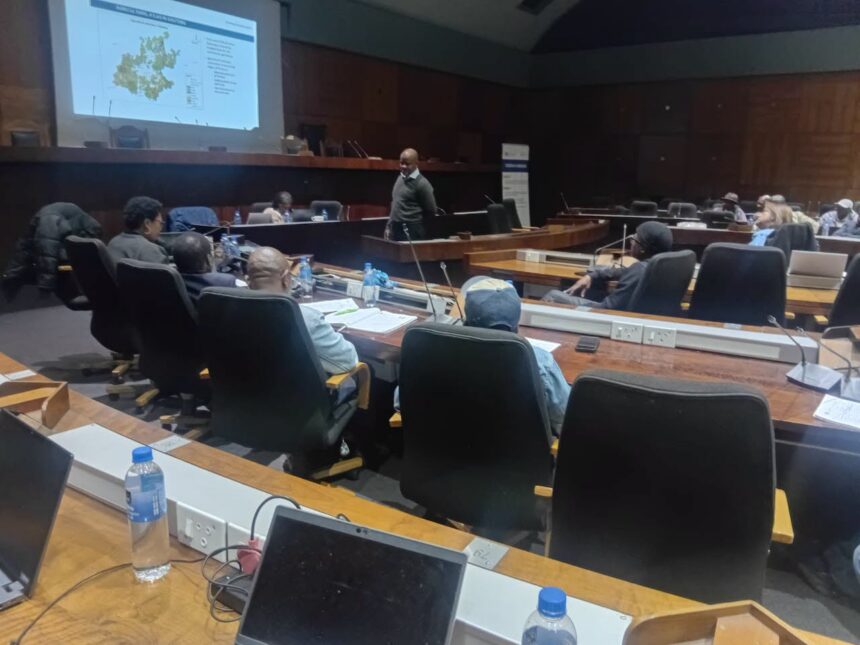
The Gauteng Department of Agriculture and Rural Development (GDARD) has reaffirmed its commitment to empowering military veterans by creating new opportunities in agriculture, agro-processing and green industries. On 15 July 2026, the historic Sammy Marks Square council chambers in Tshwane became the meeting point for veterans, government officials and agricultural experts who shared a common goal of building a more inclusive provincial economy. The engagement session highlighted practical strategies that will enable military veterans to establish sustainable agricultural enterprises while contributing to food security and economic growth in Gauteng. Throughout the day, the atmosphere reflected optimism, collaboration and a strong desire to equip veterans with the resources they need to succeed. The initiative represents another important step in ensuring that those who served the country can also play a leading role in developing its agricultural future.
One of the central themes of the engagement was helping military veterans successfully transition from military service into agriculture. Veterans possess valuable qualities such as discipline, leadership, resilience and commitment, all of which are essential characteristics for successful farming and agribusiness management. However, entering the agricultural sector often presents unfamiliar challenges, including navigating government processes, accessing finance and understanding commercial farming requirements. GDARD used the session to provide guidance on overcoming these barriers while demonstrating that agriculture offers long-term opportunities for entrepreneurship and economic independence. By encouraging veterans to transfer their existing strengths into farming, the department is helping unlock new career paths that can benefit both individuals and communities.
A major focus of the programme was improving veterans’ understanding of government procurement systems. For many aspiring farmers, securing government contracts or participating in public sector supply chains can appear complicated and difficult to access. GDARD presented detailed information on procurement procedures and business processes, giving participants a clearer understanding of how to engage with government opportunities. This practical guidance aimed to remove uncertainty while ensuring veterans know the steps required to become registered suppliers and compete fairly within the provincial economy. Access to procurement opportunities can provide stable markets for agricultural products and help emerging farmers build sustainable businesses.
The department also highlighted several specialized farmer support programmes specifically designed for military veterans as part of Gauteng’s designated beneficiary groups. These initiatives recognise the important contribution veterans have made to the country while ensuring they receive meaningful opportunities to participate in economic development. Participants learned about various forms of support available through GDARD, including technical assistance, business development services and agricultural resources that can strengthen new farming enterprises. By prioritising military veterans within these programmes, the department is promoting greater economic inclusion while helping reduce barriers that often limit entry into commercial agriculture. Such targeted support demonstrates the province’s commitment to creating equitable opportunities for historically underserved groups.
One of the most encouraging announcements during the engagement was the progress made in delivering essential farming equipment to military veterans. Access to appropriate machinery and agricultural tools is often one of the biggest challenges facing new farmers, particularly those with limited financial resources. GDARD provided updates showing that practical support is already being delivered, demonstrating that the department’s commitment extends beyond policy discussions and into tangible action. Modern farming equipment enables producers to improve efficiency, increase productivity and reduce labour demands across their operations. For many veterans, receiving these resources represents an important foundation for building successful and commercially viable farming businesses.
The engagement also encouraged participants to think beyond conventional farming by exploring opportunities within agro-processing. Rather than selling raw agricultural products alone, farmers were introduced to the economic advantages of adding value through processing and packaging. Agro-processing allows producers to convert raw materials into finished products that often command higher market prices and create additional employment opportunities. Veterans learned that investing in value addition can strengthen business profitability while expanding access to new markets both within Gauteng and across South Africa. Developing agro-processing enterprises also contributes to rural industrialisation and supports broader economic growth throughout the province.
Another exciting topic discussed during the session was the growing potential of cannabis and industrial hemp production. As South Africa’s legislative environment continues to evolve, these industries are attracting increasing attention due to their commercial, industrial and medicinal applications. GDARD outlined the emerging opportunities available within the cannabis and hemp sectors while encouraging veterans to position themselves within these high-growth markets. Industrial hemp can be used in textiles, construction materials, paper, cosmetics and food production, while regulated cannabis cultivation offers additional economic possibilities under approved legal frameworks. By introducing veterans to these developing industries, the department is helping prepare them for future agricultural markets that offer significant growth potential.
While access to land, funding and equipment remains important, GDARD emphasised that knowledge and practical skills are equally essential for long-term success. Throughout the engagement, officials repeatedly highlighted farmer training as an urgent priority that will determine the sustainability of veteran-owned agricultural enterprises. Rather than simply providing seeds, equipment or financial assistance, the department stressed the importance of building technical capacity that enables farmers to operate independently and profitably. Participants were informed that comprehensive training programmes will cover subjects including soil management, crop production, livestock management, financial planning, business administration and agricultural best practices. This investment in education aims to close the skills gap while preparing veterans to compete successfully within South Africa’s commercial agricultural sector.
Building agricultural knowledge also strengthens confidence among emerging farmers. Many military veterans entering agriculture possess strong leadership abilities but may have limited experience managing crops, livestock or agribusiness operations. Structured training provides practical solutions that reduce costly mistakes while improving productivity and decision making. By combining technical education with mentorship and ongoing advisory support, GDARD hopes to create resilient farming enterprises capable of adapting to changing market conditions and environmental challenges. Continuous learning remains one of the most valuable investments any agricultural entrepreneur can make, particularly in an industry that constantly evolves through new technologies and production methods.
The engagement session also reinforced the importance of partnerships between government, farming communities and veterans themselves. Sustainable agricultural development cannot be achieved through government action alone, but instead requires collaboration between multiple stakeholders who share common development goals. By creating platforms where veterans can engage directly with technical experts and policymakers, GDARD is encouraging stronger communication and more responsive support programmes. Such partnerships create opportunities for knowledge exchange, networking and long-term cooperation that benefit both individual farmers and the wider agricultural economy. Strong relationships between institutions and producers help ensure that support initiatives remain relevant and effective over time.
The gathering at Sammy Marks Square delivered a clear message that military veterans have an important role to play in shaping Gauteng’s agricultural future. Through improved access to procurement opportunities, specialized farmer support, modern equipment, agro-processing initiatives, cannabis and hemp opportunities and comprehensive training programmes, GDARD is creating practical pathways for veterans to build successful agricultural enterprises. The department’s commitment reflects a broader vision of inclusive economic development that recognises veterans not only for their service but also for their potential to contribute to food security, job creation and sustainable economic growth. As these programmes continue to expand, military veterans are well positioned to become successful farmers, entrepreneurs and innovators within Gauteng’s agricultural sector. By investing in skills, opportunity and long-term support, GDARD is helping cultivate a future where those who once protected the nation can now help feed it while building lasting prosperity for themselves and their communities.
Join 'Farmers Mag' WhatsApp Channel
Get the latest Farming news and tips delivered straight to your WhatsApp
CLICK HERE TO JOIN