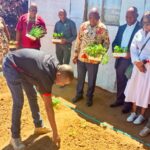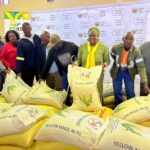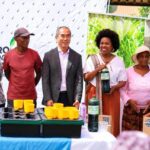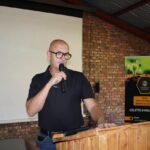
Sustainable veld management is one of the most important factors influencing the long-term success of livestock farming in South Africa. Healthy grazing land provides animals with nutritious forage, supports biodiversity and helps farmers maintain productive herds throughout the year. However, poor grazing practices, land degradation and uncontrolled veld fires continue to threaten the sustainability of many farming communities. Recognising these challenges, the Eastern Cape Department of Agriculture is engaging directly with farmers and landowners in Qunu, located within the King Sabata Dalindyebo Local Municipality, to promote responsible veld management practices. The awareness campaign reflects the department’s commitment to protecting natural resources while improving livestock production and strengthening rural livelihoods.
Held under the theme “Veld Management Towards Improved Livestock Production,” the campaign focuses on equipping farmers with practical knowledge that can be applied on their farms. Participants are learning about responsible grazing methods, veld conservation, fire prevention and interventions that improve both pasture quality and livestock performance. These topics are essential because healthy grazing land directly influences animal nutrition, reproductive success and overall productivity. By helping farmers understand the relationship between veld management and livestock production, the department is encouraging farming practices that benefit both the environment and agricultural businesses. The campaign also creates opportunities for farmers to ask questions and receive expert advice on challenges affecting their grazing systems.
South Africa’s natural veld is one of the country’s most valuable agricultural resources. It provides the primary source of feed for millions of cattle, sheep and goats raised by commercial and communal farmers. When managed properly, natural grazing can remain productive for many years while supporting healthy ecosystems and protecting soil quality. However, overgrazing, invasive plant species and poor land management can reduce the nutritional value of grazing areas and increase soil erosion. Sustainable veld management helps maintain the health of these landscapes while ensuring that livestock continue to have access to quality forage throughout changing seasons.
Responsible grazing practices formed a major focus of the awareness campaign. Farmers were encouraged to avoid overstocking their land and to manage grazing pressure carefully to allow vegetation sufficient time to recover. Rotational grazing systems, where livestock are moved between different grazing camps, help prevent overgrazing while improving pasture regeneration. Allowing veld to rest between grazing periods supports stronger grass growth, improves root development and increases the long-term productivity of grazing land. These management practices contribute to healthier animals and more sustainable farming operations over time.
Veld conservation is equally important for protecting the long-term productivity of agricultural land. Healthy grasslands help retain soil moisture, reduce erosion and improve water infiltration during rainfall. Conserving natural vegetation also supports biodiversity by providing habitat for many plant and animal species that contribute to healthy ecosystems. Farmers who actively protect their veld are investing in the long-term sustainability of their farms while reducing the costs associated with restoring degraded land. The awareness campaign highlighted practical conservation strategies that can help producers maintain productive grazing areas for future generations.
Preventing veld fires was another key topic discussed during the engagement. While fire can be a useful management tool when applied correctly under controlled conditions, uncontrolled veld fires often result in serious economic and environmental damage. Large fires can destroy grazing land, fencing, infrastructure and livestock while increasing soil erosion and reducing future pasture productivity. Farmers were reminded of the importance of creating firebreaks, monitoring weather conditions and working together with neighbouring landowners to reduce fire risks. Effective fire prevention protects both agricultural resources and surrounding communities from unnecessary losses.
One of the strengths of the awareness campaign is its multidisciplinary approach. Farmers are receiving support from a team of officials representing Veterinary Services, Land Use Management, Disaster Management, Agricultural Economics and the Agricultural Research Institute. This broad range of expertise allows participants to receive practical advice on multiple aspects of farming rather than focusing on a single issue. Livestock production depends on many interconnected factors, including animal health, land quality, financial planning and climate resilience. Bringing specialists together ensures that farmers receive comprehensive guidance that addresses the full range of challenges affecting their operations.
Veterinary Services play an essential role in supporting productive livestock farming by promoting animal health and disease prevention. Healthy animals are more productive, grow more efficiently and contribute to higher farm profitability. During engagements such as this, veterinary officials can advise farmers on vaccination programmes, parasite control, nutrition and disease management. Early identification and treatment of health problems reduce production losses while improving animal welfare. Integrating animal health advice with veld management education helps farmers understand the close relationship between grazing quality and livestock performance.
Land Use Management officials contribute valuable expertise on sustainable land planning and responsible resource use. Proper land management ensures that agricultural activities remain productive while protecting natural ecosystems from unnecessary degradation. Farmers benefit from learning how to match stocking rates with available grazing resources and how to manage land according to its carrying capacity. Good land use planning also improves resilience against drought and changing climate conditions. These strategies help maintain productive farms while protecting valuable natural resources.
The involvement of Disaster Management officials highlights the importance of preparing farmers for environmental risks such as drought, veld fires and extreme weather events. Climate variability continues to present significant challenges for livestock producers across South Africa, making risk management an essential part of modern farming. Farmers who understand disaster preparedness can reduce losses and recover more quickly from natural events. Planning ahead through early warning systems, emergency grazing strategies and coordinated community action strengthens resilience across farming communities. Disaster risk reduction is increasingly becoming a key component of sustainable agricultural development.
Agricultural Economics specialists provide important guidance on the financial aspects of farming by helping producers identify economic opportunities and improve business decision making. Sustainable farming practices often lead to improved productivity, lower input costs and stronger long-term profitability. Farmers who invest in healthy grazing systems frequently benefit from healthier animals, improved market performance and greater resilience during difficult seasons. Economic planning also helps producers evaluate investments in fencing, water infrastructure and grazing management. Combining sound financial advice with technical farming knowledge supports stronger agricultural enterprises.
The Agricultural Research Institute contributes research-based solutions that help farmers adopt proven farming practices supported by scientific evidence. Agricultural research continues to drive improvements in pasture management, livestock nutrition, breeding and climate adaptation. By sharing the latest findings with farmers, researchers help translate scientific knowledge into practical solutions that improve productivity. Collaboration between researchers and farming communities ensures that innovations address real production challenges while encouraging continuous improvement within the agricultural sector. Access to research strengthens farmers’ ability to make informed management decisions.
The Eastern Cape Department of Agriculture’s awareness campaign in Qunu demonstrates the importance of combining education, technical expertise and community engagement to strengthen livestock farming. By promoting responsible grazing practices, veld conservation, fire prevention and integrated support from multiple agricultural disciplines, the department is helping farmers protect their natural resources while improving livestock productivity. Healthy veld forms the foundation of successful livestock production, and sustainable management ensures that this valuable resource remains productive for generations to come. Through continued farmer education and collaboration between government, researchers and agricultural specialists, South Africa’s livestock sector can become more resilient, environmentally sustainable and economically competitive. The campaign serves as an important reminder that investing in healthy grazing land is also an investment in the future of farming, rural development and national food security.
Join 'Farmers Mag' WhatsApp Channel
Get the latest Farming news and tips delivered straight to your WhatsApp
CLICK HERE TO JOIN