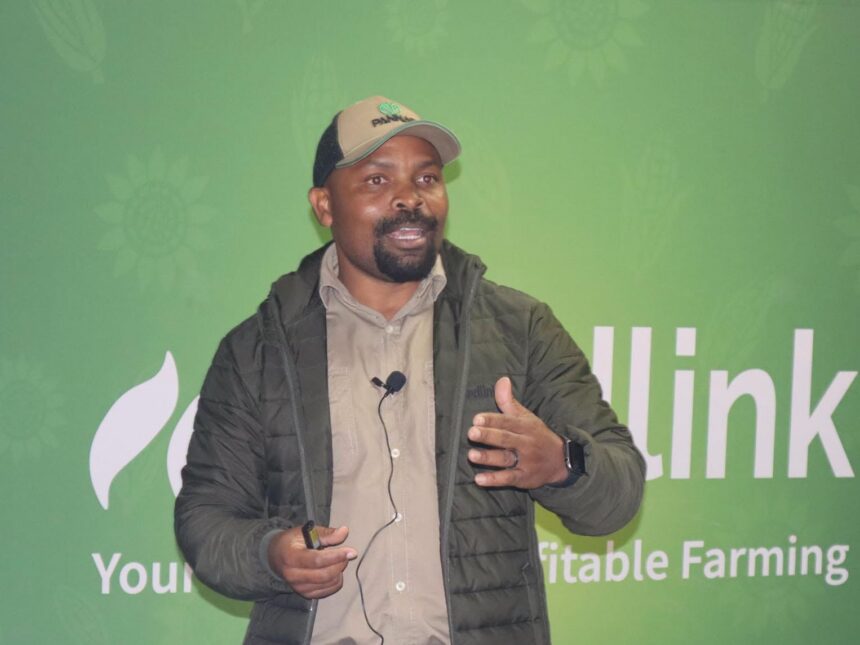
Farmers, agricultural specialists, financial institutions and industry stakeholders recently came together at the Nooitgedacht Research Farm outside Ermelo for Seedlink’s Farmers’ Information Day, an event designed to strengthen agricultural knowledge and improve farming success across the Gert Sibande District. The informative gathering brought together farmers from various municipalities under the district to explore practical farming solutions that address modern agricultural challenges. Organized through a partnership with Panaar, the event created an interactive platform where participants could learn from experts, exchange ideas and build valuable relationships within the agricultural sector. With farming facing increasing pressure from changing weather patterns, rising production costs and evolving market demands, access to current information has become more important than ever. The Farmers’ Information Day reflected a shared commitment to equipping producers with the skills, technologies and support needed to improve productivity while ensuring the long-term sustainability of their farming operations.
Throughout the day, industry experts delivered detailed presentations on several topics that directly influence farm performance and profitability. One of the primary areas of discussion focused on soil health, which remains the foundation of successful crop production. Healthy soils support stronger root development, improve water retention and increase the availability of nutrients that crops need to thrive. Farmers learned that maintaining soil health requires continuous management through practices such as crop rotation, reduced soil disturbance, organic matter management and balanced fertilization. By understanding the condition of their soils and adopting appropriate management practices, producers can improve crop performance while protecting their land for future generations.
Another important topic covered during the event was yield foundations and crop protection, both of which play a significant role in achieving consistent harvests. Agricultural specialists explained that successful crop production begins long before planting, with careful planning and proper field preparation. Farmers received guidance on selecting suitable crop protection strategies that reduce losses caused by pests, diseases and weeds while promoting environmentally responsible farming practices. Experts also highlighted the importance of monitoring crops regularly to identify potential problems before they become severe. Effective crop protection not only safeguards yields but also improves the quality of harvested produce, allowing farmers to meet market standards and maximize returns.
Soil sampling and testing formed another key part of the discussions, emphasizing the importance of making informed decisions based on accurate scientific data. Rather than applying fertilizers based on assumptions, farmers were encouraged to conduct regular soil tests to determine nutrient levels, soil acidity and other critical factors that influence crop growth. Accurate soil analysis enables producers to apply the correct type and quantity of fertilizer, improving efficiency while reducing unnecessary costs. This targeted approach supports healthier crops and minimizes the environmental impact associated with excessive fertilizer use. By integrating soil testing into routine farm management, farmers can make better investment decisions that contribute to long-term productivity.
Cultivar selection also received considerable attention during the Farmers’ Information Day because choosing the right seed variety can significantly influence farm performance. Agricultural experts explained that different cultivars are developed to perform under specific environmental conditions and production systems. Factors such as rainfall patterns, soil type, disease resistance, maturity period and market requirements all influence which cultivar is most suitable for a particular farming area. Selecting high-performing varieties that match local conditions increases the likelihood of achieving strong yields while reducing production risks. Farmers were encouraged to evaluate available options carefully and seek expert advice before making planting decisions each season.
Beyond crop production, the event also addressed farm business management and profitability, recognizing that successful farming requires strong financial planning as well as technical expertise. Representatives from financial institutions shared valuable insights into managing production costs, accessing agricultural finance and planning for sustainable business growth. Farmers were reminded that accurate budgeting, record keeping and financial analysis are essential tools for making informed business decisions. Discussions also explored strategies for improving operational efficiency, managing risk and identifying new market opportunities. Strengthening financial management skills enables farmers to build resilient agricultural businesses that can withstand economic challenges while remaining competitive.
One of the greatest strengths of the Farmers’ Information Day was the opportunity it created for collaboration and knowledge sharing among participants. Farmers from different municipalities were able to exchange experiences, discuss common challenges and learn from one another’s successes. These conversations often provide practical solutions that complement technical advice from agricultural specialists. Networking sessions also allowed producers to establish relationships with researchers, input suppliers, financial institutions and extension professionals who can provide ongoing support throughout the farming season. Building these partnerships strengthens the agricultural value chain and encourages continued innovation across the region.
Modern agricultural technologies also featured prominently during the event, with experts showcasing tools and techniques designed to improve efficiency and productivity. Advances in seed technology, precision agriculture, soil monitoring and crop management continue to transform farming practices across South Africa. Farmers gained valuable insights into how these innovations can help optimize resource use, improve decision making and reduce production risks. The adoption of suitable technologies allows producers to increase output while managing resources more effectively. As agriculture becomes increasingly data-driven, continuous learning remains essential for farmers seeking to remain competitive in a rapidly changing industry.
The Farmers’ Information Day further demonstrated the importance of partnerships between agricultural businesses, research institutions and support organizations in promoting rural development. Collaborative initiatives such as this ensure that farmers have access to current research findings, technical expertise and financial services that contribute to sustainable agricultural growth. Research farms provide ideal environments for demonstrating practical farming techniques under real production conditions, allowing participants to observe proven methods firsthand. Events like these bridge the gap between scientific research and everyday farming, making valuable information more accessible to producers. This practical approach encourages greater confidence in adopting improved farming practices that deliver measurable results.
Seedlink’s Farmers’ Information Day at the Nooitgedacht Research Farm highlighted the value of continuous education, collaboration and innovation in modern agriculture. By bringing together farmers, industry experts, financial institutions and agricultural stakeholders, the event created an environment where practical knowledge could be shared to strengthen farming enterprises across the Gert Sibande District. The discussions on soil health, crop protection, soil testing, cultivar selection and farm profitability provided participants with valuable tools to improve productivity and resilience. Equally important, the networking opportunities encouraged lasting partnerships that will continue supporting agricultural development beyond the event itself. As South African agriculture continues to evolve, initiatives that connect farmers with knowledge, technology and support services will remain essential for building a stronger, more productive and sustainable farming sector.
Join 'Farmers Mag' WhatsApp Channel
Get the latest Farming news and tips delivered straight to your WhatsApp
CLICK HERE TO JOIN