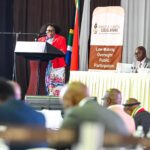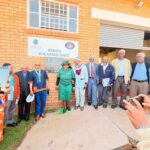
The Eastern Cape’s efforts to combat Foot and Mouth Disease (FMD) have received recognition from the farming community, with Agri EC praising the Department of Agriculture for its ongoing work to protect livestock and support the agricultural sector. The commendation was made during a meeting between Eastern Cape Premier Oscar Mabuyane, Agriculture MEC Nonceba Kontsiwe, Transport MEC Xolile Nqatha and the leadership of Agri EC. The discussions highlighted the importance of collaboration between government and agricultural organisations in responding to animal disease outbreaks that threaten food production, rural livelihoods and economic growth. Foot and Mouth Disease remains one of the most significant livestock diseases because of its impact on cattle, sheep, goats and other cloven-hoofed animals. By acknowledging the department’s efforts, Agri EC reinforced the value of coordinated action in protecting the province’s livestock industry.
Foot and Mouth Disease is a highly contagious viral disease that affects livestock and can spread rapidly if not effectively controlled. Although the disease rarely poses a direct threat to human health, it has serious economic consequences for farmers and the broader agricultural sector. Infected animals often experience fever, blisters in the mouth and on the feet, excessive salivation and difficulty walking or feeding. These symptoms can reduce productivity, affect animal welfare and result in substantial financial losses for livestock producers. Disease outbreaks may also trigger movement restrictions and export limitations that affect both local and international trade.
The Eastern Cape Department of Agriculture, under the leadership of MEC Nonceba Kontsiwe, has been implementing measures aimed at preventing the spread of Foot and Mouth Disease while supporting affected farming communities. Disease surveillance, livestock inspections and movement controls remain important components of the department’s response strategy. Veterinary officials continue working closely with farmers to identify suspected cases quickly and implement appropriate control measures. Public awareness campaigns also help livestock owners understand the importance of reporting unusual animal health conditions without delay. These combined efforts are essential for reducing the risk of widespread outbreaks and protecting the province’s livestock industry.
Agri EC’s recognition reflects the importance of maintaining strong partnerships between government and the agricultural sector. Farmer organisations play a critical role in communicating disease prevention information to producers while encouraging compliance with biosecurity measures and livestock movement regulations. Open communication between veterinary authorities and farmers helps improve disease detection and ensures that outbreaks are managed as efficiently as possible. The willingness of agricultural organisations to support government initiatives strengthens the overall response to animal health challenges. Collaboration remains one of the most effective tools for protecting livestock and maintaining confidence within the agricultural industry.
The meeting involving Premier Oscar Mabuyane, MEC Nonceba Kontsiwe, MEC Xolile Nqatha and Agri EC leadership provided an opportunity to discuss broader agricultural issues affecting the province. While transport infrastructure and rural development formed part of the discussions, disease control remained an important topic because healthy livestock are essential to the Eastern Cape’s agricultural economy. The province has a strong livestock sector that contributes significantly to employment, household incomes and food production. Protecting animal health therefore supports not only farmers but also processors, transport operators, retailers and consumers throughout the value chain. Effective disease management strengthens the resilience of the entire agricultural economy.
Livestock farming remains one of the cornerstones of the Eastern Cape’s agricultural industry. Thousands of commercial and emerging farmers depend on cattle, sheep and goats as their primary source of income. Disease outbreaks such as Foot and Mouth Disease can disrupt breeding programmes, reduce production and increase operating costs for farmers. Restrictions on the movement of livestock may also prevent producers from accessing auctions, feedlots and export opportunities. Preventing disease outbreaks therefore helps preserve the economic stability of farming businesses while supporting rural employment and local economic development.
Veterinary services remain central to successful disease prevention and control. Government veterinarians and animal health technicians work closely with farmers to conduct inspections, collect samples and monitor livestock health across the province. Their work includes educating producers about biosecurity practices, identifying potential risks and responding rapidly when suspected cases are reported. Maintaining a strong veterinary presence in rural areas allows authorities to detect disease early before it spreads to additional farms. Continued investment in veterinary capacity will remain essential as South Africa strengthens its animal health systems.
Biosecurity measures adopted by farmers also play an important role in limiting the spread of Foot and Mouth Disease. Farmers are encouraged to control access to their properties, disinfect vehicles and equipment where necessary and avoid introducing animals from unknown sources without proper health checks. Monitoring livestock regularly for signs of illness allows producers to respond quickly if concerns arise. Compliance with movement regulations and veterinary guidance helps reduce transmission risks between farms and across provincial boundaries. Every livestock owner has a responsibility to contribute to protecting the health of the national herd.
The positive relationship between Agri EC and the Eastern Cape Department of Agriculture demonstrates how cooperation can strengthen the province’s agricultural sector. Constructive engagement allows government and industry leaders to identify challenges, share information and develop practical solutions that benefit farmers. Such partnerships become particularly valuable during disease outbreaks when coordinated responses are required to minimise economic losses. The willingness of agricultural organisations to acknowledge successful government interventions also encourages continued collaboration on future agricultural priorities. Working together creates a stronger foundation for sustainable agricultural development.
Protecting livestock health also supports South Africa’s reputation in regional and international agricultural markets. Countries that import livestock products require assurance that disease control systems are effective and that animal health standards are maintained. Successful management of diseases such as Foot and Mouth Disease helps preserve export opportunities while strengthening confidence in South African agricultural products. Continued investment in surveillance, veterinary services and farmer education will support long-term competitiveness within the livestock sector. Strong animal health programmes ultimately benefit producers, processors and consumers alike.
Agri EC’s commendation of the Eastern Cape Department of Agriculture highlights the progress being made in combating Foot and Mouth Disease under the leadership of MEC Nonceba Kontsiwe. The recognition reflects the importance of coordinated action between government, veterinary authorities and the farming community in protecting one of the province’s most valuable agricultural industries. Discussions involving Premier Oscar Mabuyane, MEC Kontsiwe, MEC Xolile Nqatha and Agri EC reinforced the shared commitment to safeguarding livestock, supporting farmers and strengthening the agricultural economy. Continued collaboration, effective disease surveillance and responsible biosecurity practices will remain essential for preventing future outbreaks and maintaining confidence in the livestock sector. By working together, the Eastern Cape is building a stronger and more resilient agricultural industry that supports rural communities, food security and sustainable economic growth.
Join 'Farmers Mag' WhatsApp Channel
Get the latest Farming news and tips delivered straight to your WhatsApp
CLICK HERE TO JOIN