

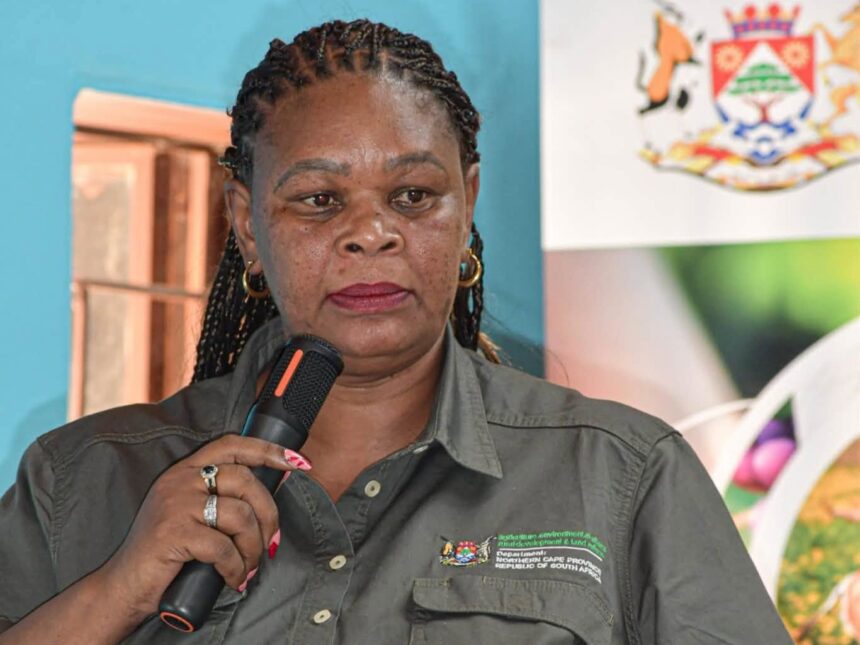
Farmers in Nama Khoi, within the Namakwa District, had an opportunity to engage directly with the Northern Cape Department of Agriculture, Environmental Affairs, Rural Development and Land Reform on the issues affecting their farming operations. MEC Newrene Klaaste met with farmers as part of her ongoing engagements with agricultural stakeholders across the province. The meeting created space for farmers to raise concerns, share their experiences and discuss opportunities within the agricultural sector. Direct engagement is important because farmers experience production challenges at farm level and understand how these issues affect their daily operations. The discussions in Nama Khoi form part of broader efforts to strengthen cooperation between government and agricultural stakeholders across the Northern Cape.
Farmer engagement can provide valuable insight into the conditions under which agricultural businesses and farming communities operate. Farmers can use these platforms to explain challenges that may affect production, livelihoods and the long-term sustainability of their operations. The engagement also gives the Department an opportunity to hear directly from agricultural stakeholders rather than relying only on information gathered through administrative processes. This type of communication can help identify areas where further attention or collaboration may be needed. For farmers, having an opportunity to communicate directly with provincial leadership can also support a clearer understanding of the Department’s approach to agricultural development.
The Nama Khoi engagement was focused on listening to farmers and creating an opportunity for open discussion about their experiences. Farmers were able to raise matters affecting their farming operations and highlight challenges and opportunities within the agricultural sector. Such discussions are particularly relevant in rural areas where farming conditions can differ from one community to another. Understanding these local realities is important when considering how agricultural development initiatives can support farmers in practical ways. The engagement therefore provided a platform for farmers to place their experiences at the centre of discussions about agricultural development.
MEC Klaaste reaffirmed her commitment to working closely with farmers and ensuring that their concerns remain central to the Department’s efforts to strengthen agriculture. Her emphasis on meaningful engagement reflects the importance of maintaining communication between government and the people involved directly in agricultural production. Farmers need support that takes account of the practical conditions they face when producing crops and livestock and managing their businesses. Government departments also need feedback from agricultural stakeholders to better understand the issues that can affect production and rural livelihoods. Continued engagement can help create a stronger basis for cooperation between farmers and the Department.
Sustainable agricultural production depends on several factors working together over time. Farmers need to manage their available resources carefully while responding to changing production and business conditions. They also need an environment in which challenges can be raised and discussed with the institutions responsible for agricultural development. Meaningful engagement does not by itself resolve every challenge faced by farmers, but it creates an avenue for identifying concerns and considering practical responses. The Nama Khoi meeting is part of an approach that places communication and collaboration at the centre of efforts to support the agricultural sector.
For farmers, the opportunity to share experiences can also help bring attention to issues that may affect more than one farming operation. Common concerns can provide a basis for broader discussions between agricultural stakeholders and government. Farmers can also share practical knowledge about conditions in their communities and the realities of agricultural production. This information can help strengthen the understanding of the challenges facing the sector at local level. A continued exchange of information between farmers and the Department can support more informed agricultural development efforts.
Agriculture remains an important part of rural livelihoods across the Northern Cape. Farming activity supports the production of food and other agricultural products while contributing to economic activity in rural communities. The strength of the sector depends on the ability of farmers to maintain productive operations and adapt to the conditions in which they work. This makes cooperation between farmers, government and other agricultural stakeholders an important part of building a resilient agricultural sector. Engagements such as the one in Nama Khoi provide an opportunity to strengthen those relationships.
The Department’s focus on partnerships also recognises that agricultural development involves more than one stakeholder. Farmers bring practical production experience and knowledge of local conditions, while government has responsibilities linked to agricultural development and rural development programmes. Other agricultural stakeholders can also contribute through their knowledge, services and participation in the agricultural value chain. Cooperation among these groups can create a stronger foundation for addressing challenges and identifying opportunities. Building these relationships over time can contribute to a more coordinated approach to agricultural development in the province.
The emphasis on practical solutions is particularly important for farmers because agricultural challenges can directly affect production and household livelihoods. Farmers need approaches that recognise the realities of operating farms and agricultural enterprises in different parts of the province. This requires listening to farmers, understanding the issues they raise and maintaining communication after engagements have taken place. The process of engagement is therefore not only about holding meetings but also about building relationships that can support continued dialogue. Stronger communication can help farmers and government work towards shared agricultural development objectives.
MEC Klaaste’s engagement with Nama Khoi farmers also forms part of her broader interaction with agricultural stakeholders across the Northern Cape. These engagements provide opportunities to understand different experiences across farming communities and to maintain contact with people involved in the sector. Agricultural conditions can vary widely between areas, making local engagement important when discussing production and rural development. Listening to farmers in different districts can help build a broader picture of the opportunities and challenges within the provincial agricultural sector. Continued stakeholder engagement can therefore contribute to a more grounded understanding of agriculture across the Northern Cape.
The Department’s stated commitment to strengthening partnerships with farmers is closely linked to its goal of supporting a productive, resilient and sustainable agricultural sector. For such a sector to develop, farmers need to remain active participants in discussions about agricultural development. Their experiences can help identify practical issues while their participation can strengthen cooperation around shared objectives. Government engagement can provide a platform for those discussions and help maintain communication with agricultural communities. The Nama Khoi engagement demonstrates the importance of keeping farmers involved in conversations about the future of agriculture in the province.
The discussions in Nama Khoi also highlight the importance of recognising farmers as key agricultural stakeholders. Farmers are directly responsible for making production decisions and managing the risks associated with farming. Their experiences provide important information about the conditions affecting agricultural activity in their communities. Meaningful engagement allows those experiences to become part of broader discussions about agricultural development and rural livelihoods. This approach can help strengthen trust and cooperation between farmers and the institutions supporting the sector.
For the Northern Cape agricultural sector to remain resilient, continued collaboration will be important. Farmers, government and other stakeholders need opportunities to communicate about challenges, opportunities and the practical realities of production. The Department’s ongoing engagements provide a platform for these conversations and reinforce the importance of farmer participation. In Nama Khoi, the focus was on listening to farmers and understanding the matters affecting their farming operations. Maintaining this dialogue can support continued efforts to build a productive and sustainable agricultural sector across the province.
The engagement between MEC Newrene Klaaste and Nama Khoi farmers underlines the value of direct communication in agricultural development. Farmers were given an opportunity to raise issues, share their experiences and discuss the opportunities and challenges they face in their farming operations. The Department reaffirmed its commitment to keeping farmer concerns central to its work and to strengthening partnerships across the agricultural sector. Sustainable agriculture requires practical cooperation and an understanding of the realities faced by producers on the ground. As stakeholder engagements continue across the Northern Cape, continued collaboration with farmers will remain an important part of efforts to support resilient agricultural production and sustainable rural livelihoods.
Join 'Farmers Mag' WhatsApp Channel
Get the latest Farming news and tips delivered straight to your WhatsApp
CLICK HERE TO JOIN




