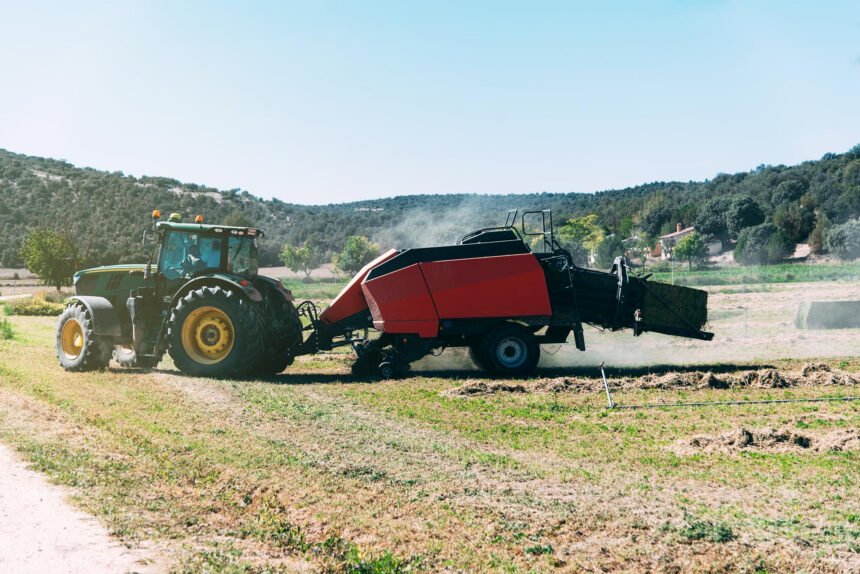
Farm vehicles are among the most important assets on any agricultural operation, and the tyres fitted to those vehicles play a major role in productivity, safety and operating costs. Whether transporting harvested crops, preparing fields, spraying crops or moving livestock, farm vehicles depend on reliable tyres that can perform under demanding conditions. South African farmers operate in diverse environments that range from dry and rocky terrain to muddy fields and sandy soils, making tyre selection an important management decision. Choosing the right tyres improves traction, protects soil health, reduces fuel consumption and minimizes downtime caused by punctures or excessive wear. Investing in suitable farm tyres is not simply a maintenance decision but a long-term investment in the efficiency and profitability of a farming business.
South Africa’s varied climate and agricultural regions mean that there is no single tyre suitable for every farming operation. Farmers in grain-producing regions may require tyres that perform well on cultivated fields, while livestock producers often need tyres capable of handling rough grazing areas and gravel roads. Fruit and vegetable growers may frequently travel between orchards, packhouses and public roads, requiring tyres that provide both field performance and road stability. Before purchasing new tyres, farmers should evaluate the type of work their vehicles perform, the terrain they operate on and the loads they regularly carry. Understanding these operating conditions helps ensure that tyres deliver the best possible performance throughout their service life.
Traction is one of the most important factors to consider when selecting tyres for tractors and other farm machinery. Tyres with the correct tread pattern provide better grip, allowing equipment to transfer engine power efficiently to the ground. Improved traction reduces wheel slip, enabling tractors to pull implements more effectively while using less fuel. Better grip also allows machinery to continue operating safely during wet conditions or on uneven terrain. Selecting tyres designed for the specific farming application improves productivity while reducing unnecessary wear on both the tyres and the vehicle itself.
Protecting soil structure should also be a priority when choosing agricultural tyres. Soil compaction remains a major concern because excessive pressure from heavy machinery can reduce water infiltration, restrict root development and lower crop yields. Modern agricultural tyres with wider profiles and lower inflation pressures distribute vehicle weight over a larger surface area, reducing the risk of compaction. Many farmers are increasingly adopting flotation tyres because they minimize ground pressure while maintaining excellent traction. Preserving healthy soil contributes to better crop performance and supports long-term farm productivity.
Tyre size must always match the manufacturer’s recommendations for the specific vehicle. Installing tyres that are too large or too small can negatively affect vehicle handling, fuel efficiency and mechanical performance. Incorrect tyre sizes may also interfere with transmission systems, steering performance and braking efficiency. Farmers should consult equipment manuals or authorised tyre specialists before replacing tyres to ensure compatibility. Using the correct tyre size maximizes safety while helping machinery operate at peak efficiency.
Load capacity is another critical consideration, particularly for trailers, harvesters and transport vehicles. Every tyre is designed to carry a specific maximum load, and exceeding this limit increases the risk of tyre failure and premature wear. Farm vehicles often transport heavy equipment, harvested crops, fertilizer and livestock, making proper load ratings essential for safe operation. Choosing tyres with adequate load capacity improves stability and reduces stress on vehicle components. Matching tyres to the expected workload also extends their lifespan and lowers maintenance costs.
Inflation pressure has a significant impact on tyre performance and durability. Underinflated tyres create excessive heat, increase rolling resistance and wear more rapidly along the outer edges of the tread. Overinflated tyres reduce the contact area with the ground, leading to reduced traction and increased soil compaction. Regularly checking tyre pressure ensures that vehicles perform efficiently under changing operating conditions. Many farmers adjust tyre pressures depending on whether machinery is working in the field or travelling on public roads, allowing them to achieve the best balance between performance and tyre longevity.
Durability is especially important for South African farming conditions, where vehicles frequently travel across rocky terrain, thorn-infested areas and rough gravel roads. High-quality agricultural tyres are designed with stronger sidewalls and durable rubber compounds that resist cuts, punctures and impact damage. Although premium tyres often require a higher initial investment, they typically provide longer service life and lower operating costs over time. Frequent tyre failures can interrupt planting, harvesting and transport schedules, resulting in costly delays during critical farming periods. Investing in durable tyres reduces these risks while improving operational reliability.
Farmers should also consider whether radial or bias-ply tyres are best suited to their operations. Radial tyres generally provide better traction, improved fuel efficiency, enhanced ride comfort and reduced soil compaction because of their flexible sidewalls. They also tend to last longer under many agricultural conditions. Bias-ply tyres, however, offer stronger sidewall protection and may be better suited for certain heavy-duty applications or extremely rough terrain. Understanding the advantages of each tyre type allows farmers to select the most appropriate option for their specific farming activities.
Routine tyre maintenance is just as important as selecting the correct product. Regular inspections help identify cuts, embedded objects, uneven tread wear and other damage before they develop into serious problems. Farmers should also rotate tyres when appropriate, maintain correct wheel alignment and replace worn tyres before they become unsafe. Proper storage of spare tyres away from direct sunlight and harsh weather also extends their usable life. Preventative maintenance reduces unexpected breakdowns while protecting valuable farming equipment.
Cost should never be the only factor influencing tyre selection. While lower-priced tyres may appear attractive initially, they often wear more quickly and require more frequent replacement under demanding farming conditions. Higher-quality tyres generally deliver better performance, improved fuel economy and greater durability, making them more economical over the long term. Farmers should evaluate the total cost of ownership rather than focusing solely on the purchase price. Considering lifespan, maintenance requirements and operational efficiency provides a more accurate measure of value.
Choosing the right tyres for farm vehicles is an important decision that directly affects productivity, operating costs and long-term farm performance. Factors such as traction, soil protection, tyre size, load capacity, inflation pressure, durability and maintenance all contribute to the effectiveness of agricultural machinery. South African farmers who carefully match their tyres to local conditions and farming activities can improve efficiency while reducing equipment downtime and maintenance expenses. Investing in high-quality tyres and maintaining them properly supports safer operations and more sustainable farming practices. As agriculture continues to evolve through modern technology and precision farming, selecting the right tyres will remain a key component of successful and profitable farm management.
Join 'Farmers Mag' WhatsApp Channel
Get the latest Farming news and tips delivered straight to your WhatsApp
CLICK HERE TO JOIN