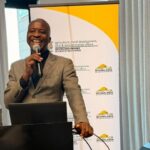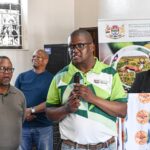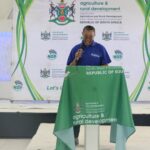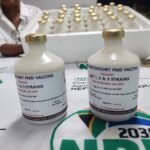
The Department of Agriculture, Rural Development and Environmental Affairs (DARDEA) has stepped in to provide much-needed support to commonage farmers in Botshabelo, located in the Mangaung District, following the devastating impact of Foot and Mouth Disease (FMD). As the disease continues to pose one of the greatest threats to livestock farming across South Africa, government intervention has become increasingly important in protecting farmers’ livelihoods and ensuring the sustainability of the agricultural sector. The department has worked closely with industry partners and agricultural stakeholders to deliver practical assistance aimed at helping affected farmers recover from the outbreak. The relief initiative highlights the importance of collaboration between the public and private sectors during times of agricultural crisis. By providing essential farming supplies and disease prevention equipment, the department is helping vulnerable farming communities rebuild and strengthen their operations.
Foot and Mouth Disease remains one of the most serious livestock diseases affecting farmers both locally and internationally. The highly contagious viral disease primarily affects cloven-hoofed animals such as cattle, sheep, goats and pigs. Although it rarely poses a direct threat to human health, the disease can have severe economic consequences for farmers through reduced livestock productivity, movement restrictions and trade limitations. Once an outbreak occurs, strict control measures are often introduced to prevent further spread, making it difficult for farmers to sell or transport their animals. These restrictions can place significant financial pressure on both emerging and established livestock producers.
Recognising the severity of the situation, DARDEA engaged a number of agricultural stakeholders to provide coordinated relief to the farmers most affected by the outbreak in Botshabelo. The department partnered with ITAU, Hinterland, Kloppers and AgriVet to ensure that meaningful assistance reached the farming communities that needed it most. Public and private sector partnerships such as these play a critical role in responding to agricultural emergencies because they combine resources, expertise and logistical support. By working together, the stakeholders were able to respond more effectively than any single organisation could have managed on its own. Their combined efforts demonstrate the value of cooperation in protecting South Africa’s agricultural industry.
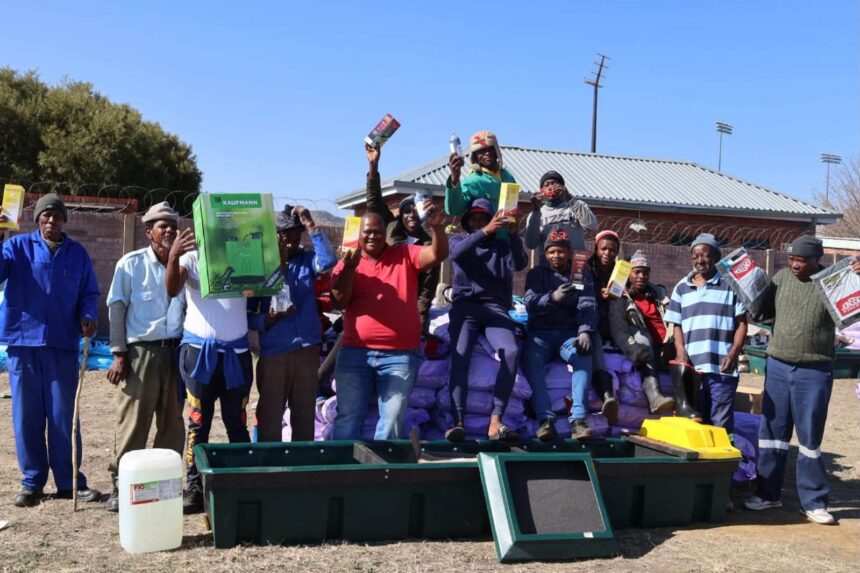
A total of ten commonages in Botshabelo benefited from the relief programme, receiving a range of essential farming supplies designed to assist with both animal care and disease control. The support package included animal feed, nutritional supplements, protective clothing, foot baths, farm disinfectants and knapsack sprayers. These resources are vital for helping farmers maintain the health of their livestock while implementing strict biosecurity measures to reduce the spread of Foot and Mouth Disease. Many of these farmers have faced financial difficulties as a result of the outbreak, making the donated supplies especially valuable during this challenging period. The assistance allows farmers to focus on protecting their animals while continuing their farming activities as safely as possible.
Animal feed and nutritional supplements form an important part of the relief package because healthy livestock are generally better equipped to cope with stressful conditions. During disease outbreaks, farmers often struggle to access grazing areas or transport feed due to movement restrictions. Providing additional feed and supplements helps maintain animal condition while supporting overall herd health. Proper nutrition also contributes to improved recovery and reduces the risk of secondary health complications. This aspect of the support programme ensures that farmers are able to continue caring for their livestock despite the challenges created by the outbreak.
The provision of protective clothing, foot baths and farm disinfectants reinforces the importance of strong biosecurity practices in controlling Foot and Mouth Disease. Farmers and farm workers play a key role in preventing the spread of infectious diseases by following strict hygiene protocols. Protective clothing helps reduce the risk of transferring contaminated materials between farms, while foot baths disinfect footwear before entering or leaving livestock areas. Farm disinfectants allow farmers to regularly clean equipment, vehicles and facilities that may come into contact with infected animals. These preventative measures are essential for limiting disease transmission and protecting neighbouring farming communities.
Knapsack sprayers included in the relief package further strengthen disease control efforts by allowing farmers to apply disinfectants efficiently across livestock facilities and equipment. Proper sanitation is one of the most effective tools available when managing contagious livestock diseases. Regular cleaning of handling facilities, loading ramps, animal pens and feeding areas helps reduce the presence of harmful viruses within the farming environment. By providing farmers with practical equipment rather than only consumable supplies, the department is supporting long-term disease management efforts. These tools will continue to benefit farming operations even after the immediate outbreak has been brought under control.
The relief programme also highlights the importance of supporting commonage farmers, many of whom rely on shared grazing land to sustain their livestock enterprises. These farmers often have limited financial resources and are particularly vulnerable during disease outbreaks that disrupt normal farming activities. Assistance from government departments and industry partners can make a significant difference by helping prevent severe financial losses and ensuring that farming operations remain viable. Strengthening commonage farming contributes not only to local food production but also to rural employment and household incomes. Continued support for these communities is essential to building a more resilient agricultural sector.
Beyond emergency relief, ongoing education and awareness remain critical in the fight against Foot and Mouth Disease. Farmers benefit from regular training on disease recognition, reporting procedures and effective biosecurity practices. Early detection and rapid reporting enable veterinary authorities to respond quickly before outbreaks spread further. Collaboration between farmers, veterinarians, government departments and agricultural organisations strengthens the country’s overall disease surveillance system. Continued communication and shared responsibility are essential for reducing the long-term impact of livestock diseases across South Africa.
The Department of Agriculture, Rural Development and Environmental Affairs has demonstrated its commitment to protecting vulnerable farming communities by providing timely support to the ten commonages affected by Foot and Mouth Disease in Botshabelo. Through partnerships with ITAU, Hinterland, Kloppers and AgriVet, the department has delivered essential supplies that will help farmers safeguard their livestock and strengthen biosecurity measures. The distribution of animal feed, supplements, protective clothing, foot baths, disinfectants and knapsack sprayers provides immediate relief while supporting long-term disease prevention efforts. As Foot and Mouth Disease continues to challenge livestock farmers across South Africa, coordinated action between government and industry remains essential for protecting food security and sustaining rural livelihoods. This collaborative initiative serves as an important example of how targeted support can help farming communities recover, remain productive and prepare for future agricultural challenges.
Join 'Farmers Mag' WhatsApp Channel
Get the latest Farming news and tips delivered straight to your WhatsApp
CLICK HERE TO JOIN