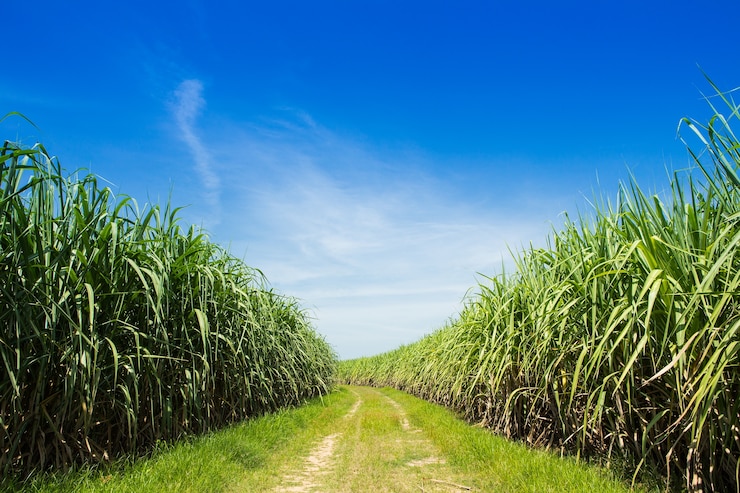
Sugarcane farming is one of South Africa’s most important agricultural industries, contributing significantly to food production, employment and the rural economy. The crop serves as the primary source of sugar while also supplying raw materials for products such as ethanol, animal feed and renewable energy. Thousands of farmers, ranging from small-scale growers to large commercial producers, depend on sugarcane as a source of income. South Africa’s favourable climate and well-established sugar industry have made the country one of Africa’s leading sugar producers. However, successful sugarcane farming requires careful planning, suitable environmental conditions and sound crop management from planting through to harvesting.
The majority of South Africa’s sugarcane is produced in the warm, subtropical regions of KwaZulu-Natal and Mpumalanga, where climatic conditions are well suited to the crop. These regions receive adequate rainfall, experience mild winters and have long growing seasons that allow sugarcane to develop fully before harvest. Temperature plays an important role in sugarcane production because the crop grows best in warm conditions with average temperatures ranging between 20 and 30 degrees Celsius. Although sugarcane can tolerate short dry periods, prolonged drought can reduce growth, lower sugar content and decrease yields. Selecting land with favourable climatic conditions remains one of the most important factors for long-term success.
Choosing the right soil is equally essential when establishing a sugarcane farm. Sugarcane grows best in deep, fertile and well-drained soils that allow roots to develop freely while retaining enough moisture to support vigorous growth. Loamy soils with good organic matter content generally provide the best growing conditions because they combine effective drainage with adequate water-holding capacity. Poorly drained soils increase the risk of root diseases and waterlogging, while shallow soils may restrict root development and reduce yields. Before planting, farmers should conduct soil tests to determine pH levels, nutrient status and any soil improvements required to create ideal growing conditions.
Land preparation forms the foundation of a productive sugarcane crop. Fields should be cleared of weeds, crop residues and stones before deep cultivation begins. Ploughing and ripping improve soil structure by breaking up compacted layers, allowing roots to penetrate deeper into the soil. Proper land preparation also improves water infiltration and encourages healthy root development during the early stages of growth. Applying lime or organic matter where necessary helps correct soil conditions before planting, creating an environment that supports vigorous crop establishment.
Sugarcane is propagated using sections of healthy mature stalks known as seed cane rather than botanical seeds. These stalk sections contain buds that develop into new plants after planting. Farmers should always use disease-free planting material obtained from reliable sources to minimise the risk of introducing pests and diseases into new fields. The stalks are placed horizontally in prepared furrows and covered lightly with soil to encourage germination. Healthy planting material provides the foundation for a vigorous crop capable of producing high yields over several growing seasons.
Planting should be scheduled to coincide with favourable moisture conditions that promote rapid establishment. In many production areas, planting is timed to take advantage of seasonal rainfall or irrigation availability. Adequate soil moisture encourages quick bud germination and strong root development during the early stages of growth. Once established, sugarcane develops into a dense crop capable of producing tall stalks rich in sugar. Good establishment reduces plant losses and contributes directly to improved productivity throughout the crop cycle.
Water management remains one of the most important aspects of sugarcane farming. Although sugarcane requires substantial amounts of water, efficient irrigation practices are becoming increasingly important due to water scarcity in many parts of South Africa. Farmers who have access to irrigation often use sprinkler, centre pivot or drip irrigation systems to provide consistent soil moisture while reducing unnecessary water losses. Monitoring soil moisture helps determine when irrigation is needed, preventing both drought stress and excessive watering. Efficient water management improves crop growth while supporting sustainable use of valuable water resources.
Proper fertiliser management is essential for achieving high sugarcane yields and maintaining soil fertility. Sugarcane requires significant amounts of nitrogen, phosphorus and potassium, along with several essential micronutrients that support healthy plant growth. Fertiliser programmes should be based on soil analysis to ensure nutrients are applied according to crop requirements rather than through guesswork. Applying fertilisers at the correct stage of crop development improves nutrient uptake and maximises production potential. Balanced nutrition strengthens stalk development, increases sugar accumulation and supports healthier ratoon crops after harvesting.
Weed control is particularly important during the early stages of sugarcane growth because young plants compete poorly with aggressive weeds. Weeds reduce crop performance by competing for sunlight, water and soil nutrients that would otherwise support sugarcane development. Farmers use a combination of mechanical cultivation, mulching and carefully selected herbicides to manage weed populations effectively. Integrated weed management reduces reliance on chemicals while promoting healthier fields. Maintaining clean fields during crop establishment significantly improves overall productivity.
Pests and diseases present ongoing challenges for sugarcane farmers and require regular monitoring throughout the growing season. Common pests such as stalk borers, termites and aphids can reduce yields if not managed effectively. Diseases including smut, rust and ratoon stunting disease also threaten crop performance and may spread rapidly if infected planting material is used. Integrated pest management combines field monitoring, resistant varieties, biological control methods and responsible pesticide use to minimise damage. Early detection and prompt intervention help protect both crop quality and profitability.
Harvesting represents one of the most important stages of sugarcane production because sugar content reaches its highest level when the crop matures. Harvest timing varies depending on the variety, climate and intended market, but most sugarcane is harvested between 12 and 24 months after planting. Mature cane should be transported to sugar mills as quickly as possible because delays reduce sugar quality and extraction efficiency. Many commercial farms use mechanical harvesters, while manual harvesting remains common in certain production areas. Efficient harvesting and transport ensure that farmers receive the maximum value from their crop.
One of the advantages of sugarcane farming is the crop’s ability to produce ratoon crops after the initial harvest. Instead of replanting immediately, new shoots grow from the remaining underground root system, allowing multiple harvests from a single planting. Ratoon cropping reduces establishment costs while improving profitability over several production cycles. However, careful management remains necessary to maintain yields through proper fertilisation, irrigation and pest control. Eventually, declining productivity requires fields to be replanted with fresh planting material.
Sustainability has become increasingly important within South Africa’s sugar industry as farmers adapt to climate change, rising production costs and environmental challenges. Many producers are adopting conservation agriculture practices, efficient irrigation technologies and precision farming techniques to improve productivity while protecting natural resources. Soil conservation, responsible chemical use and biodiversity management contribute to healthier farming systems capable of supporting long-term production. Sustainable sugarcane farming also strengthens access to international markets that increasingly value environmentally responsible agricultural practices. Continued investment in innovation helps the industry remain competitive while protecting future generations of farmers.
The basics of sugarcane farming in South Africa begin with selecting the right land, preparing fertile soils and using healthy planting material to establish strong crops. Success depends on effective water management, balanced nutrition, timely weed and pest control and harvesting at the correct stage of maturity. Farmers who follow sound production practices are better positioned to achieve high yields, improve sugar quality and maximise long-term profitability. As one of South Africa’s most valuable agricultural industries, sugarcane continues to support thousands of livelihoods while contributing significantly to the national economy. By combining traditional farming knowledge with modern technology and sustainable management practices, sugarcane producers can continue building a resilient and productive industry for years to come.
Join 'Farmers Mag' WhatsApp Channel
Get the latest Farming news and tips delivered straight to your WhatsApp
CLICK HERE TO JOIN