South African farmers face pressure from changing weather patterns, rising input costs and tighter food supply chains. ICT and agricultural media tools help farmers respond faster, plan better and reduce losses. These tools connect farmers to weather updates, market prices, extension services and training content. They also improve decision making at farm level, especially for small and medium scale farmers who need low cost solutions. When used correctly, digital tools increase productivity, reduce risk and improve access to markets.
Mobile phones remain the most important ICT tool for farmers in South Africa. Most farmers now rely on basic smartphones to receive weather alerts, farming advice and market updates. SMS services and WhatsApp groups are widely used because they work even in low connectivity areas. Farmers use these platforms to share pest alerts, input prices and planting advice in real time. A simple WhatsApp group can connect dozens of farmers and extension officers, creating a fast communication network. This reduces delays in responding to drought, disease outbreaks and supply shortages.
Weather forecasting tools play a critical role in agricultural planning. Platforms such as the South African Weather Service mobile updates help farmers plan planting, irrigation and harvesting cycles. Accurate rainfall predictions reduce crop failure and help farmers choose the right planting window. Many farmers now use mobile weather apps that provide hourly forecasts and severe weather warnings. These tools are especially useful in drought prone areas like the Northern Cape and North West. When farmers act on early warnings, they protect livestock and reduce financial losses.
Market information platforms help farmers understand prices before selling produce. Digital platforms and radio-based market reports provide daily updates on commodity prices such as maize, vegetables and livestock. Farmers use this information to decide when and where to sell their produce for better profit margins. Some cooperatives share pricing updates through SMS systems, reducing dependence on middlemen. This improves transparency and helps farmers negotiate fairer prices. Access to real time market data also encourages farmers to plan production based on demand trends.
Agricultural extension services have also shifted to digital platforms. Government departments and agricultural organisations now share training videos, online manuals and mobile guides. Farmers can learn about pest control, soil management and irrigation methods without travelling long distances. YouTube channels and short video tutorials have become popular learning tools for younger farmers. These platforms show practical demonstrations that are easier to understand than written instructions. Digital training reduces knowledge gaps and improves farm management skills across rural areas.
Social media platforms are now widely used as agricultural communication tools. Facebook groups, WhatsApp communities and Telegram channels connect farmers with experts and suppliers. Farmers use these groups to ask questions, share photos of crop diseases and get quick advice. Agricultural businesses also use social media to promote seeds, equipment and services. This creates a fast flow of information between farmers and suppliers. However, farmers must verify information carefully to avoid misinformation that can affect production decisions.
Radio and community media remain important agricultural communication tools in rural South Africa. Many farmers still rely on local radio stations for weather updates, farming tips and government announcements. Radio programs in local languages make information accessible to farmers who may not use smartphones. Community newspapers also share agricultural news, training opportunities and success stories from local farmers. These traditional media tools remain effective because they reach remote areas with limited internet access. Combining radio with digital platforms creates a stronger information network for rural communities.
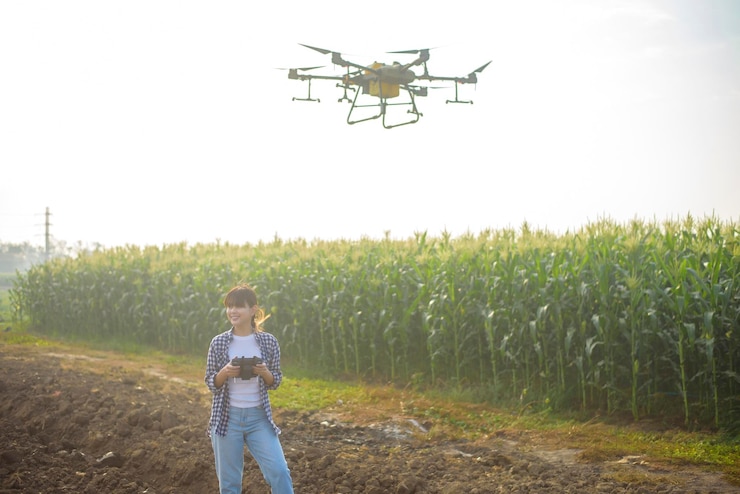
Mobile agricultural apps are becoming more common among progressive farmers. These apps provide soil testing guidance, crop calendars, pest identification tools and irrigation scheduling. Some apps allow farmers to take pictures of crop diseases and receive instant diagnosis. Others track farm expenses and help farmers manage budgets more efficiently. These tools reduce guesswork and improve precision farming practices. As smartphone use grows, agricultural apps will continue to expand across South Africa.
ICT and agricultural media tools are changing how farming works in South Africa. They improve communication, reduce risks and increase access to knowledge and markets. Farmers who use these tools consistently make better decisions and respond faster to challenges. Digital platforms, radio, mobile apps and social media all play different but connected roles in supporting agriculture. When farmers combine traditional knowledge with modern technology, they build stronger and more productive farming systems that support food security and rural development.
Join 'Farmers Mag' WhatsApp Channel
Get the latest Farming news and tips delivered straight to your WhatsApp
CLICK HERE TO JOIN