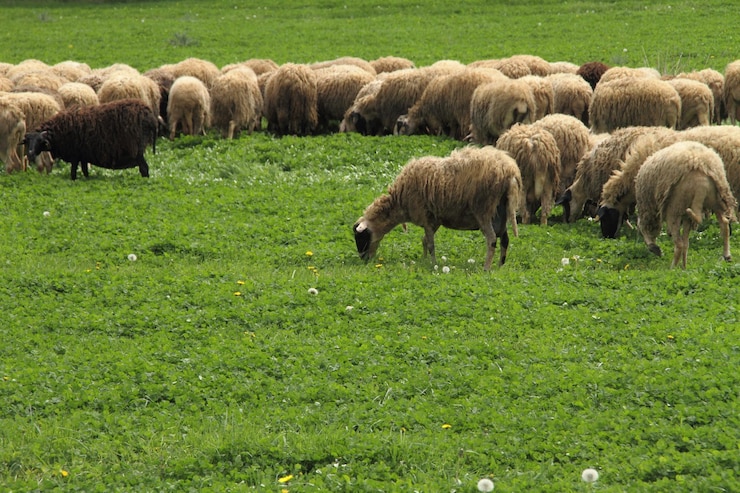
Livestock farming in South Africa depends heavily on reliable forage and pasture systems that can support animals throughout the year. South Africa has highly variable climates, which means grazing conditions differ widely between regions such as the dry Northern Cape, the summer rainfall areas of KwaZulu-Natal and the highveld regions. Farmers who rely only on natural grazing often face feed shortages during winter or drought periods, which can reduce productivity and increase costs. Establishing improved pastures helps stabilize feed supply and supports consistent weight gain and milk production in livestock such as cattle and sheep. A well planned forage system reduces dependence on expensive commercial feed and improves long term farm sustainability.
The first step in establishing pasture is selecting the right grass and forage species for local conditions. Soil type, rainfall levels and temperature patterns determine which grasses will thrive in a specific area. In high rainfall regions, species like kikuyu and ryegrass perform well, while in drier regions farmers often use drought tolerant options such as buffel grass or blue buffalo grass. Soil testing is important before planting because it helps determine nutrient levels and pH balance, which directly affect pasture growth. Farmers who match plant species to local conditions achieve better ground cover, stronger root systems and higher biomass production over time.
Land preparation plays a major role in the success of pasture establishment. Farmers need to clear invasive plants, plough the soil and ensure proper leveling before planting seeds or seedlings. Good soil structure improves water infiltration and root development, which are critical for long term pasture performance. Fertiliser application is often required to boost nitrogen, phosphorus and potassium levels, especially in degraded soils. Proper seedbed preparation ensures even germination and reduces competition from weeds during early growth stages. Without careful preparation, even high quality seed may produce weak or patchy pasture coverage.
Water management is another critical factor in maintaining productive forage systems. Many areas in South Africa experience irregular rainfall, making irrigation or water conservation techniques essential for pasture survival. Drip irrigation and sprinkler systems can help maintain consistent moisture levels during dry periods. Farmers also use rotational grazing systems to prevent overgrazing and allow pasture recovery. This approach improves soil health, reduces erosion and increases long term pasture productivity. Effective water management ensures that livestock always have access to sufficient and nutritious grazing material throughout the year.
Managing established pastures requires continuous monitoring and maintenance to keep them productive. Regular fertilisation helps replenish nutrients removed by grazing animals and supports regrowth. Weed control is also important because invasive plants compete with pasture species for nutrients and sunlight. Rotational grazing systems help maintain balance by allowing sections of land to rest and recover before being grazed again. Farmers who manage pastures well achieve higher stocking rates and improved livestock performance. Strong pasture systems reduce feeding costs and increase resilience against drought and climate variability. Establishing forage and pasture systems in South Africa is therefore a long term investment that strengthens food production, supports rural livelihoods and improves the overall sustainability of livestock farming.
Join 'Farmers Mag' WhatsApp Channel
Get the latest Farming news and tips delivered straight to your WhatsApp
CLICK HERE TO JOIN