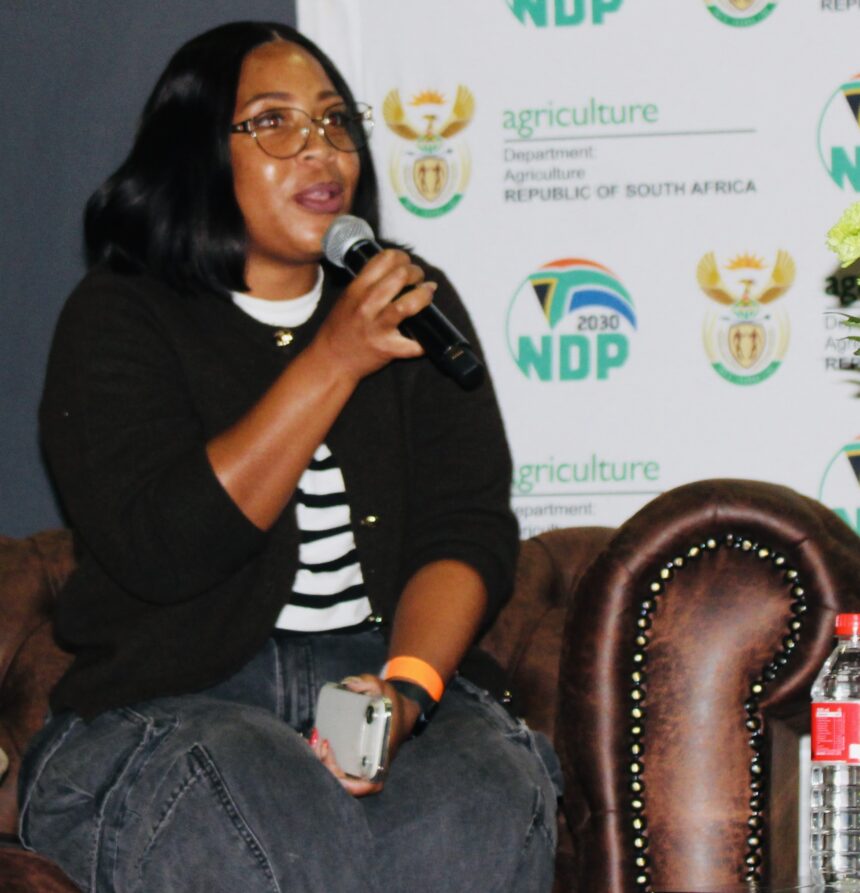
Agriculture is evolving beyond traditional farming, with young entrepreneurs using technology, innovation and business skills to build sustainable farming enterprises. For Mashoto Ramafalo, the journey into agriculture began with a childhood connection to the land and has grown into a vision of building a modern farming business.
Inspired by her father’s dedication to subsistence farming, Mashoto developed an appreciation for the role agriculture plays in creating food security and better livelihoods. Through education, resilience and innovation, she has built her journey from an agricultural student into a young farmer embracing mixed farming and technology.
1. Can you tell us about your farming journey and what inspired you to pursue mixed farming?
My passion for agriculture started from a young age because I grew up in a family where my father worked with the soil through subsistence farming for home consumption. Watching him taught me the importance of farming in providing food and creating better livelihoods.
My father encouraged me to study agriculture, which led me to start my academic journey in Animal Science before continuing with my Bachelor of Science degree in Agricultural Economics at North-West University’s Mafikeng Campus. I later pursued my Master of Science degree in Agricultural Economics at the University of Limpopo.
While studying, I was also running small businesses selling human hair and eggs within my community to support myself. At that stage, I never imagined that I would become a full-time farmer.
In 2017, I entered the agricultural sector through the Graduate Programme by the Department of Agriculture under Limpopo Province, which gave me practical exposure and experience. In 2021, I decided to pursue mixed farming because it allows me to diversify my income, reduce risk and make better use of available resources.
Crop and livestock farming complement each other — crop residues can feed livestock, while livestock sales can help support the farming business financially.
2. How have modern agricultural technologies improved your crop and livestock operations?
Modern agricultural technologies have changed the way I farm by helping me make better decisions and improve efficiency.
I use improved seed varieties, soil testing, digital platforms for weather information, market updates and agricultural advice. These tools help me understand my farming environment better, reduce risks and improve productivity.
Technology allows farmers to move from relying only on experience to using accurate information when making important farming decisions.
3. Which innovations have had the greatest impact on productivity and efficiency on your farm?
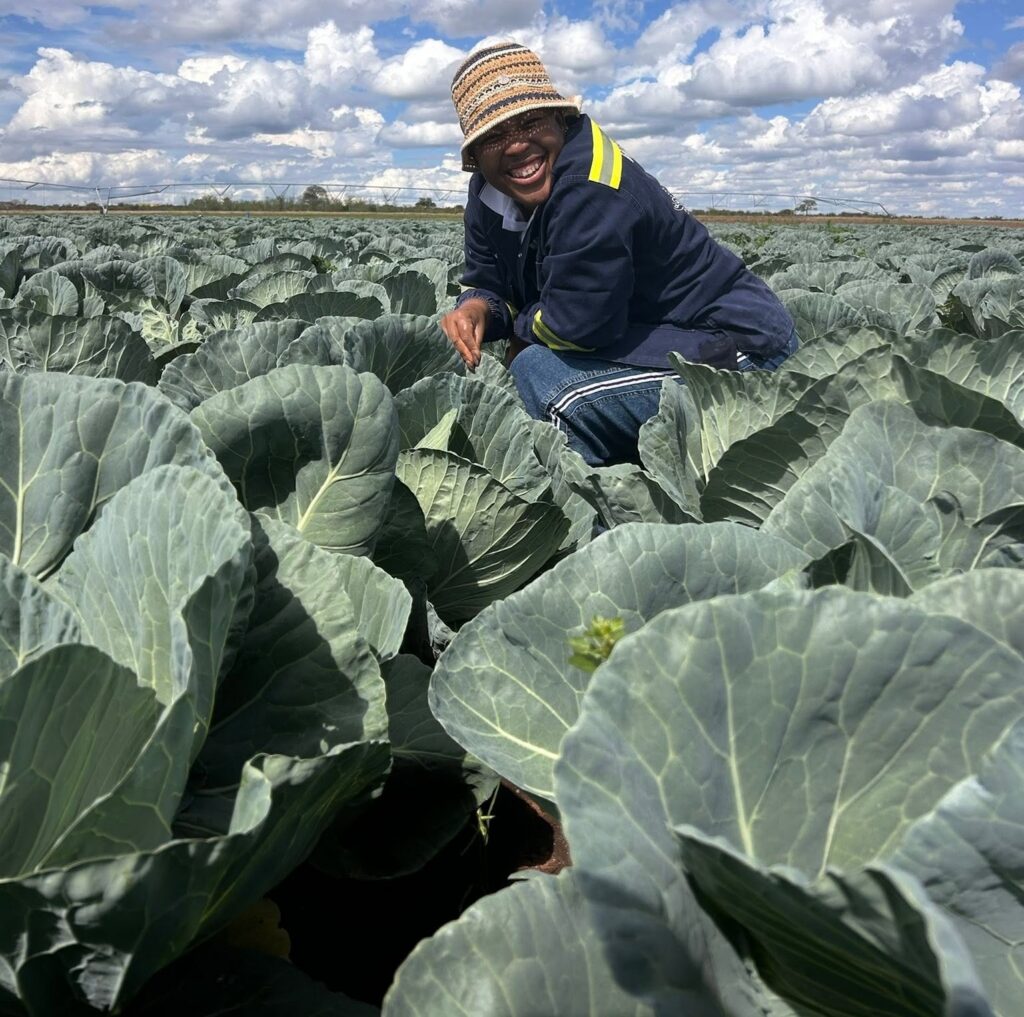
Some of the biggest innovations that have improved my farming operations include improved crop varieties, drip irrigation, overhead irrigation such as centre pivots where possible, mechanisation and mobile technology programmes.
These innovations have helped increase yields, improve the quality of produce, reduce production costs — especially labour costs — and make farm management more efficient.
Agriculture is becoming more technology-driven, and farmers who embrace innovation are better positioned for growth.
4. What challenges have you faced as a farmer, and how has innovation helped you overcome them
Like many farmers, I have faced challenges including climate change, pests and diseases, rising input costs, limited market access and challenges accessing finance to purchase production inputs.
Innovation has helped me overcome some of these challenges through climate-smart farming practices, improved disease management and digital platforms that create opportunities to connect with buyers and access information.
Farming requires resilience, continuous learning and the ability to adapt to changing conditions.
5. Why is it important for young people to consider agriculture as a viable and rewarding career path?
Agriculture offers many opportunities beyond traditional farming. It creates jobs, supports food security, encourages innovation and contributes to economic development.
Young people bring fresh ideas, technology skills and entrepreneurship that can help transform agriculture into a modern and profitable industry.
Agriculture is not just about working on the land — it is about building businesses and creating solutions.
6. What advice would you give to aspiring young farmers who may not have access to land or significant capital?
I would encourage young people not to limit themselves because of limited resources.
They can start small by leasing land, joining cooperatives, participating in community gardens or focusing on high-value agricultural activities that require less capital.
Continuous learning, networking and taking advantage of government and private-sector support programmes are also important.
The most important thing is to start, gain experience and keep improving.
7. How do you balance crop production and livestock farming, and what lessons have you learned from managing both?
Planning is the key to managing both enterprises successfully.
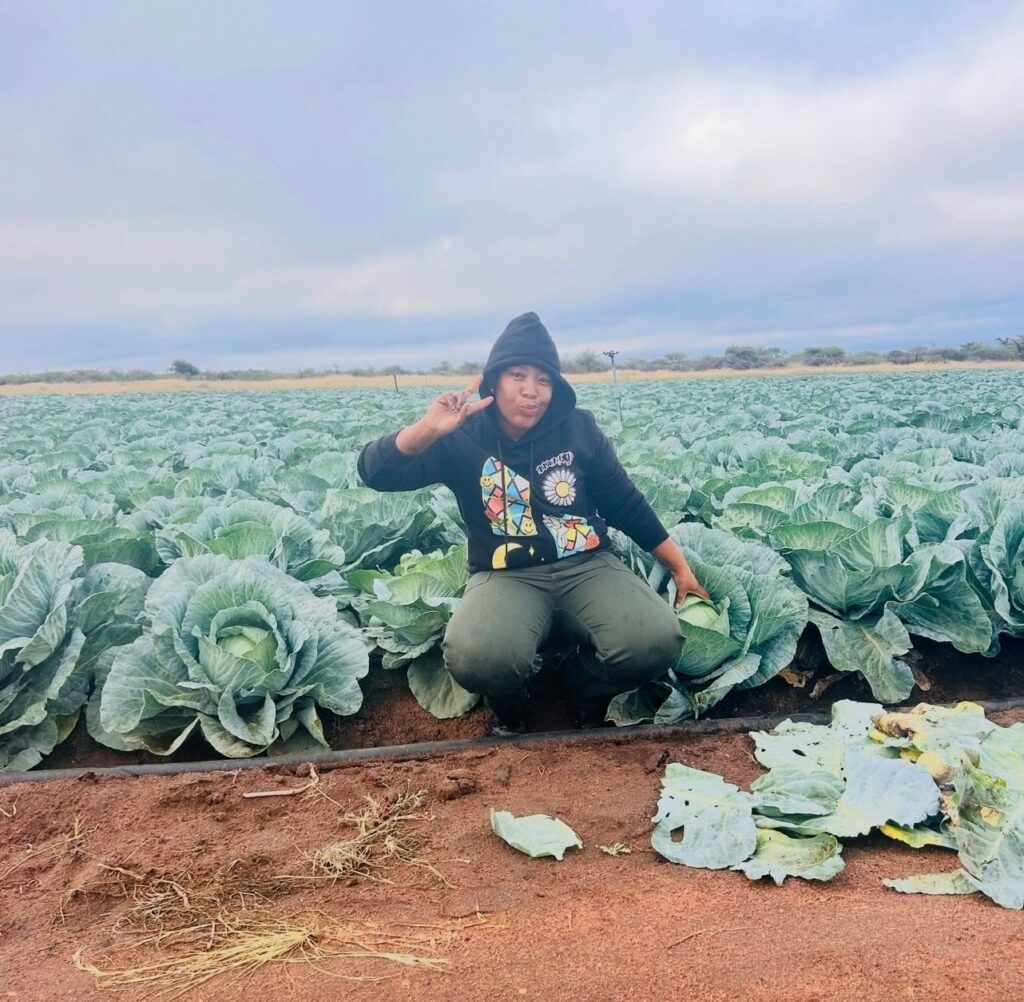
I schedule farming activities carefully so that crop production and livestock farming support each other. Crop residues can provide feed for livestock, while livestock sales can help sustain the business.
One of the biggest lessons I have learned is that diversification creates resilience. When one enterprise faces challenges, the other can help support the operation.
8. What opportunities do you see for youth entrepreneurs in the agricultural value chain beyond farming itself?
There are many opportunities beyond production.
Young entrepreneurs can explore agro-processing, packaging, transportation, agricultural technology, input supply, consulting, marketing and value addition.
Agriculture is a complete value chain, and young people can create businesses that support farmers while also creating employment opportunities.
You can create your own job and create opportunities for others through agriculture.
9. How important are events such as the Agri-Tech Youth Expo in connecting young farmers with new technologies and opportunities?
Events like the Agri-Tech Youth Expo are extremely important because they expose young farmers to new technologies, funding opportunities, industry experts and networks.
They create platforms for collaboration, knowledge sharing and learning about innovations that can improve productivity and sustainability.
Young farmers need spaces where they can connect, learn and discover opportunities that can help them grow.
10. What are your future goals for your farming business, and how do you plan to continue embracing innovation?
My goal is to expand my crop and livestock enterprises while adopting more climate-smart and technology-driven farming practices. I want to increase production, employ more people and eventually purchase my own farm and mechanisation equipment to make operations more efficient. I also want to mentor other young farmers and contribute towards building a more sustainable agricultural sector. I believe that through continuous learning, innovation and partnerships, we can create a stronger future for agriculture.
Mashoto Ramafalo’s story is a reflection of how passion, education and innovation can transform agriculture into a powerful business opportunity. From watching her father work the soil to building her own farming journey, she represents a new generation of farmers who are combining traditional knowledge with modern technology. Her journey proves that agriculture is not only about farming — it is about entrepreneurship, creating jobs, strengthening communities and shaping the future of food security.
From soil to success, Mashoto Ramafalo is helping show that the future of agriculture is being grown by young innovators willing to take the lead.
Join 'Farmers Mag' WhatsApp Channel
Get the latest Farming news and tips delivered straight to your WhatsApp
CLICK HERE TO JOIN