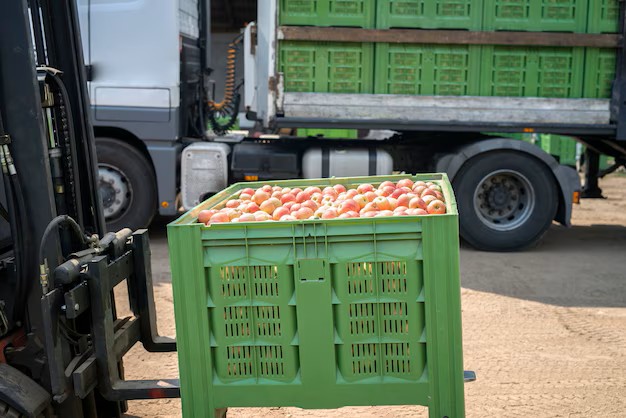
Forklifts play a critical role in modern agricultural businesses across South Africa, especially in operations that handle high volumes of produce, feed, fertiliser and packaged goods. As farms scale up production and move toward more commercial supply chains, the need for efficient material handling becomes essential. Forklifts help reduce manual labour, improve safety and speed up daily operations such as loading trucks, moving pallets and managing storage facilities. In agriculture, where timing and product quality directly affect income, the right equipment can significantly improve operational efficiency. Choosing the correct forklift is therefore a strategic decision that affects productivity, cost control and long term business growth.
Agricultural businesses operate in diverse environments, which means forklift selection must match specific working conditions. Some farms require equipment for rough outdoor terrain, while others operate mainly in warehouses, packhouses or cold storage facilities. Rough terrain forklifts are commonly used on farms that handle crops like maize, citrus or timber, where uneven ground is a challenge. Electric forklifts are often preferred in enclosed spaces such as packhouses because they produce no emissions and require less maintenance. Diesel and LPG forklifts remain popular for heavy duty outdoor tasks where power and endurance are required.
Load capacity is one of the most important factors when selecting a forklift for agricultural use. Farms must understand the average weight of the goods they handle, including pallets of fruit, sacks of grain or crates of vegetables. Forklifts typically range from 1.5 tonnes for light operations to over 5 tonnes for heavy industrial use. Choosing a forklift with insufficient capacity increases the risk of equipment damage and workplace accidents. On the other hand, oversizing equipment can lead to unnecessary fuel consumption and higher purchase costs. Matching load capacity to real operational needs ensures both safety and cost efficiency.
Lift height and mast type also play an important role in agricultural operations. Farms with high storage systems or stacked pallets require forklifts with extended lift height capabilities. Triple mast forklifts are often used in warehouses where vertical space is maximised for storage efficiency. Lower mast systems are suitable for open yards and loading areas where height is not a major requirement. The correct mast selection improves workflow speed and reduces strain on operators. It also ensures better use of available storage space, which is essential for high volume agricultural businesses.
Fuel type selection affects both operating cost and environmental impact in agricultural settings. Diesel forklifts are widely used due to their power and suitability for outdoor conditions. Electric forklifts are gaining popularity because they are quieter, cheaper to run and more environmentally friendly. However, they require charging infrastructure and may not be suitable for long continuous shifts without battery rotation systems. LPG forklifts offer a balance between power and cleaner emissions, making them suitable for mixed-use environments. Each fuel type has advantages, and the best choice depends on workload intensity and operational layout.
Durability is another key consideration for agricultural businesses when selecting forklifts. Farm environments often expose machinery to dust, moisture, uneven surfaces and heavy daily use. Equipment built with reinforced frames, strong tyres and weather resistant components tends to last longer under these conditions. Maintenance accessibility is also important, as downtime during peak harvesting seasons can result in financial losses. Regular servicing schedules and availability of spare parts should be considered before purchasing any forklift model. Reliable after-sales support ensures that operations continue without long interruptions.
Operator safety and comfort must also be prioritised in forklift selection. Agricultural workers often spend long hours operating machinery, making ergonomic design essential. Features such as adjustable seating, vibration control and easy steering systems help reduce fatigue and improve productivity. Safety features like reversing alarms, stability control systems and load sensors reduce the risk of accidents. Proper training for operators is equally important, as even the best equipment can become unsafe if used incorrectly. Safe operations protect both workers and agricultural assets.
Cost considerations go beyond the initial purchase price of a forklift. Agricultural businesses must factor in fuel consumption, maintenance costs, repair frequency and expected lifespan. Leasing options are also available and can be beneficial for seasonal farming operations that do not require year round equipment use. Some businesses choose to invest in second hand forklifts to reduce capital expenditure, although this requires careful inspection to avoid hidden maintenance issues. A full cost analysis helps ensure that the chosen forklift delivers long term value.
Choosing the right forklifts for agri-business in South Africa requires a clear understanding of operational needs, working environments and long term business goals. The right equipment improves efficiency, reduces labour costs and enhances safety across all stages of agricultural production. As farms continue to modernise and scale up, material handling equipment will play an even greater role in ensuring competitiveness in local and export markets. By investing in suitable forklifts and maintaining them properly, agricultural businesses can strengthen productivity and improve overall profitability.
Join 'Farmers Mag' WhatsApp Channel
Get the latest Farming news and tips delivered straight to your WhatsApp
CLICK HERE TO JOIN