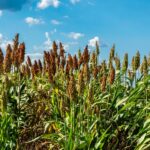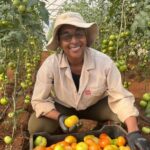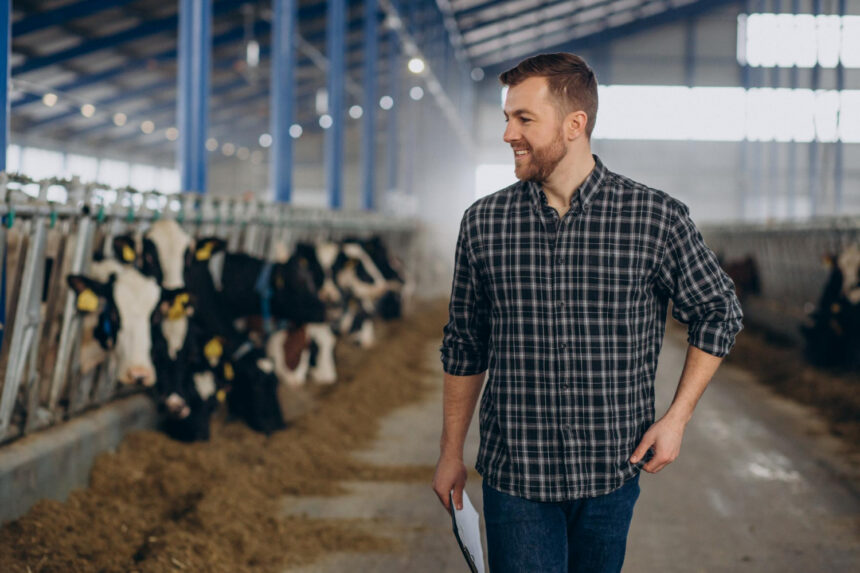
Agriculture in South Africa is entering a period of major transition, and emerging farmers stand at the centre of that change. Rising input costs, climate pressure and shifting market demands are reshaping how farming operates across the country. At the same time, demand for food continues to grow, creating space for new farmers to enter commercial and semi commercial production. Emerging farmers include small scale producers, youth entrants and previously disadvantaged farmers who are building capacity in livestock, crops and mixed farming systems. Their success will influence food security, rural employment and long term economic stability.
Access to land remains one of the strongest factors shaping the future of emerging farmers. Many new farmers still operate on communal land or small leased plots, which limits expansion and long term investment. Land reform programmes and private sector partnerships continue to play a role in opening access to productive farmland. However, land alone is not enough to guarantee success, as farmers also need infrastructure, water systems and storage facilities. Without these resources, productivity remains low and market participation becomes difficult. The future of agriculture depends on linking land access with practical support that improves production capacity.
Skills development is another critical factor that will determine how emerging farmers perform in the coming years. Many new entrants lack formal agricultural training, which affects their ability to manage livestock, soil health and financial planning. Training programmes, mentorship schemes and agricultural colleges are increasingly important in closing this gap. Practical knowledge in areas such as irrigation management, pest control and record keeping can significantly improve yields. Exposure to modern farming techniques also helps farmers adapt to climate variability and changing weather patterns. Strong skills development systems will create more resilient and competitive farming businesses.
Technology adoption is also reshaping the outlook for emerging farmers in South Africa. Mobile applications, weather forecasting tools and digital marketplaces are making it easier for farmers to access information and buyers. Precision agriculture tools are slowly becoming more affordable, allowing farmers to monitor soil conditions and optimise resource use. Even simple technologies such as drip irrigation systems and improved seed varieties can lead to higher productivity. However, access to technology remains uneven, especially in remote rural areas. Bridging this gap will be essential to ensure that emerging farmers are not left behind in a rapidly modernising sector.
Market access continues to be one of the biggest challenges facing emerging farmers. Many small producers struggle to meet the quality and volume requirements of formal markets such as supermarkets and export channels. Cooperative structures and aggregation systems can help farmers pool resources and improve bargaining power. Government and private sector initiatives that connect farmers directly to buyers are also expanding opportunities. Stable market access encourages investment in production and helps farmers plan for long term growth. Without reliable markets, even productive farms struggle to remain financially sustainable.
The future of agriculture for emerging farmers in South Africa depends on a combination of support systems working together. Land access, infrastructure development, training and market integration must align to create real opportunities. Climate change adaptation will also become increasingly important as droughts and unpredictable rainfall patterns affect production cycles. Farmers who can adapt through improved water management and diversified farming systems will be better positioned for long term success. With consistent support and investment, emerging farmers can become a driving force in national food production.
South Africa’s agricultural future will be shaped by how effectively emerging farmers are supported today. Their role extends beyond food production to include job creation, rural development and economic transformation. Strengthening this sector requires long term commitment from government, private investors and farming communities. When emerging farmers are equipped with land, skills, technology and market access, they can build sustainable enterprises that support both local and national needs. The growth of this group will determine the resilience and competitiveness of agriculture in the years ahead.
Join 'Farmers Mag' WhatsApp Channel
Get the latest Farming news and tips delivered straight to your WhatsApp
CLICK HERE TO JOIN