Supply chain management plays a central role in farm success in South Africa. It connects every step from input supply to final market delivery. Farmers who manage their supply chains well reduce costs and improve productivity. They also respond faster to market changes and climate risks. In a competitive agricultural environment, weak supply chains lead to losses and missed opportunities. Strong systems create stability and long-term growth for both small and commercial farms.
Good supply chain management starts with input procurement and planning. Farmers need reliable access to seeds, fertiliser, feed, fuel and equipment. Poor timing in procurement increases costs and delays production cycles. Bulk buying through cooperatives or farmer groups can reduce input prices and improve bargaining power. Reliable suppliers also reduce the risk of counterfeit or low-quality inputs entering the farm system. Planning ahead ensures inputs arrive before planting or production seasons begin, which protects yields and cash flow.
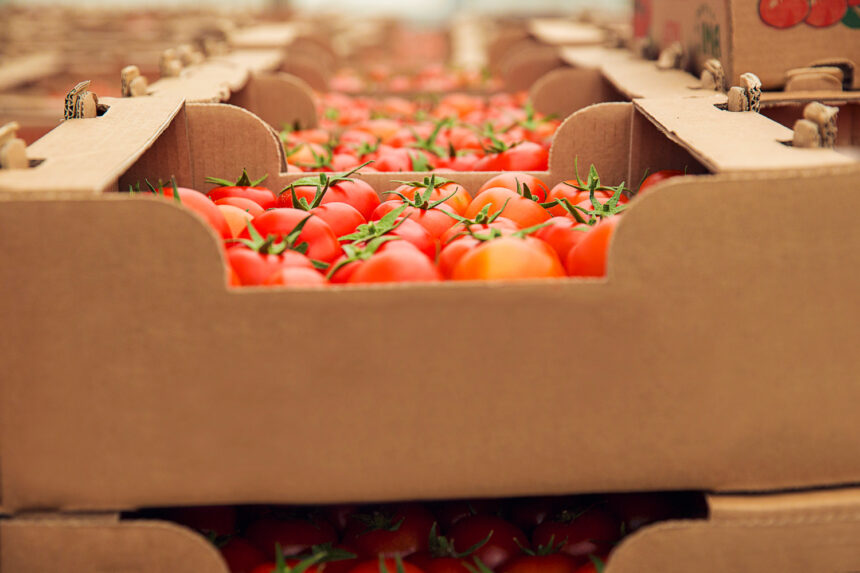
Logistics and storage are another critical part of farm efficiency. Many South African farmers lose income due to poor transport systems and limited storage facilities. Efficient logistics ensure that produce moves quickly from farm to market without unnecessary delays. Cold chain systems are especially important for fruit, vegetables, dairy and meat products. Without proper temperature control, products spoil and value drops significantly. On-farm storage also helps farmers wait for better market prices instead of selling immediately after harvest. This improves income stability and reduces post-harvest losses.
Technology and data improve supply chain decisions across farming operations. Digital tools help farmers track production, monitor stock levels and forecast demand. Mobile platforms also connect farmers directly with buyers, reducing dependency on middlemen. Traceability systems are increasingly important for export markets, where buyers demand proof of origin and quality control. Data helps farmers understand pricing trends and choose the best time to sell. It also improves planning for inputs, labour and transport. Farms that adopt digital systems often operate with lower waste and higher efficiency.
Supply chain optimisation also supports access to local and international markets. South African farmers benefit when they meet export standards for quality, packaging and safety. Strong supply chains help maintain consistency, which buyers require for long-term contracts. Collaboration between farmers, processors and distributors improves market reach and reduces risk. Efficient systems also support rural development by creating jobs in transport, packaging and processing. When supply chains function well, farms become more competitive and resilient against shocks such as fuel price increases or climate disruptions.
A well-structured supply chain strengthens every part of farming in South Africa. It reduces waste, improves profits and builds stronger connections between producers and markets. Farmers who invest in better systems gain more control over their operations and outcomes. They also become better prepared for global competition and changing consumer demands. In the long term, supply chain optimisation supports food security and rural economic growth. It turns farming into a more stable and scalable business that can sustain both families and national demand.
Join 'Farmers Mag' WhatsApp Channel
Get the latest Farming news and tips delivered straight to your WhatsApp
CLICK HERE TO JOIN