Sustainable agribusiness in South Africa is gaining strong attention as farmers, entrepreneurs and investors look for ways to build long-term food production systems that protect natural resources while generating income. The country faces ongoing challenges such as water scarcity, climate change, rising input costs and food insecurity, which makes sustainability a practical necessity rather than an option. At the same time, demand for food continues to grow across urban and rural markets, creating space for innovative agricultural businesses. Sustainable agribusiness models focus on efficiency, resource conservation and long-term productivity. This makes them suitable for both small-scale farmers and larger commercial operations.
One of the most practical sustainable agribusiness ideas in South Africa is regenerative crop farming. This approach focuses on improving soil health through reduced chemical use, crop rotation and organic matter enrichment. Farmers grow crops such as maize, beans, vegetables and grains while using techniques that restore soil fertility over time. Healthy soil leads to better yields and reduced dependence on expensive fertilizers. This method also helps farms become more resilient to drought and unpredictable rainfall. Over time, regenerative farming reduces costs and improves long-term profitability.
Organic vegetable farming is another strong opportunity within sustainable agribusiness. Consumers in South Africa are increasingly interested in food that is free from harmful chemicals and produced through environmentally friendly methods. Farmers who grow spinach, lettuce, tomatoes, cabbage and herbs organically can access niche markets such as health stores, restaurants and direct household buyers. Organic production requires careful pest management, composting and soil care practices. Although yields may take time to stabilize, the market prices for organic produce are often higher. This makes it a viable business for farmers who focus on quality and consistency.
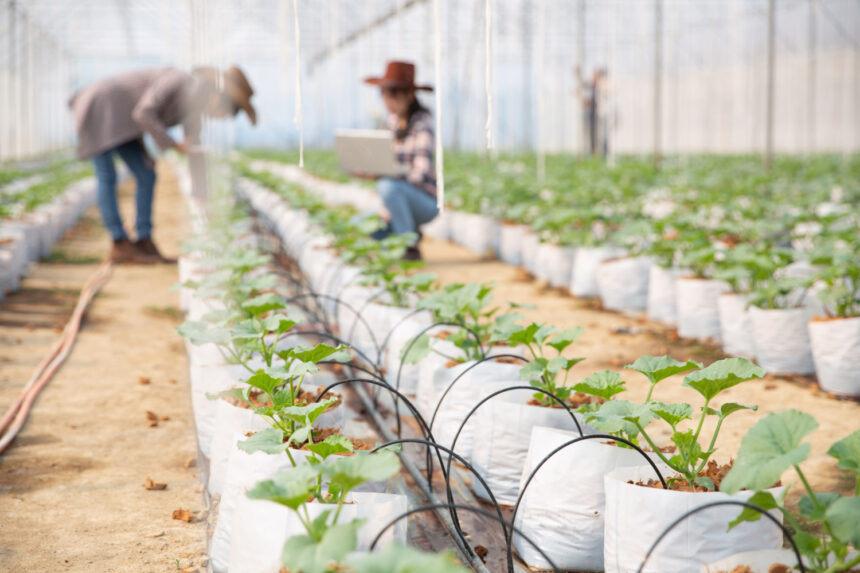
Aquaponics and hydroponics systems offer highly efficient ways to produce food using less water and land. These systems are especially useful in urban and peri-urban areas where land is limited. Hydroponics uses nutrient-rich water instead of soil, while aquaponics combines fish farming with plant production in a closed-loop system. Both methods reduce water usage significantly compared to traditional farming. They also allow year-round production under controlled environments. Entrepreneurs can grow leafy greens, herbs and certain vegetables with high productivity in small spaces.
Sustainable poultry farming is another profitable agribusiness idea that can be developed with responsible resource management. Farmers can use locally sourced feed alternatives, improve housing systems and focus on disease prevention rather than heavy medication use. Free-range and organically raised chickens are increasingly in demand among health-conscious consumers. Poultry farming also provides fast turnover cycles, which helps maintain steady cash flow. Waste from poultry operations can be reused as fertilizer, supporting crop production and reducing environmental impact. This integrated approach improves overall farm efficiency.
Agroforestry is a long-term sustainable agribusiness model that combines trees with crops or livestock. In South Africa, this can include planting fruit trees such as mangoes, avocados and citrus alongside crops or grazing systems. Trees improve soil structure, provide shade and help retain moisture in the soil. They also create additional income streams through fruit sales, timber or fuelwood. Agroforestry systems are particularly valuable in areas affected by soil erosion and drought. This method supports both environmental restoration and economic productivity.
Beekeeping is another low-cost sustainable agribusiness idea with strong growth potential. Bees play a critical role in pollination, which improves crop yields across many farming systems. Honey production provides direct income, while beeswax and other by-products create additional revenue streams. Beekeeping requires limited land and can be integrated into crop farms or orchards. It also supports biodiversity and improves ecosystem health. With proper training, farmers can scale beekeeping operations gradually while maintaining low operational costs.
Sustainable agribusiness ideas in South Africa continue to expand as farmers adopt more efficient and environmentally responsible practices. These models are designed to balance profitability with long-term resource protection. Success depends on knowledge, planning and consistent implementation of best practices. Farmers who focus on sustainability often reduce costs, improve resilience and access better market opportunities. As climate and economic pressures increase, sustainable agribusiness offers a practical path toward stable food production and rural development.
Join 'Farmers Mag' WhatsApp Channel
Get the latest Farming news and tips delivered straight to your WhatsApp
CLICK HERE TO JOIN