Farm expansion in South Africa has become an important strategy for improving agricultural productivity, increasing profitability and strengthening food security. As demand for food continues to rise and production costs increase, many farmers are looking for practical ways to grow their operations sustainably. Expansion does not only involve acquiring more land. It also includes improving efficiency, diversifying production, adopting technology and accessing better markets. South African farmers operate in a challenging environment shaped by climate variability, rising input costs and infrastructure pressures, making careful planning essential for long term growth. Successful expansion strategies therefore depend on balancing production opportunities with financial and environmental sustainability.
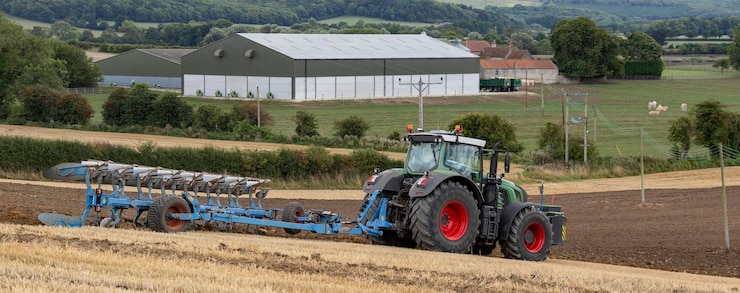
One of the most common expansion approaches in South Africa is increasing land under production. Farmers often lease or purchase additional farmland to scale crop cultivation or livestock operations. This strategy allows producers to increase output volumes and improve economies of scale, especially in grain, livestock and horticultural sectors. However, land expansion requires significant financial investment and careful assessment of soil quality, water availability and infrastructure access. In provinces with high agricultural activity, competition for productive land can also increase acquisition costs. Farmers must therefore evaluate whether expanding land area will generate enough returns to justify higher operational expenses.
Diversification has also become a key farm expansion strategy, particularly for farmers seeking to reduce financial risk. Instead of relying on a single commodity, many producers are introducing additional crops, livestock or value added products into their operations. For example, grain farmers may add livestock production, while fruit producers may invest in processing facilities or packaging operations. Diversification helps farmers create multiple income streams and reduces vulnerability to market fluctuations or climate related losses affecting one enterprise. It also allows farms to use resources such as labour, water and infrastructure more efficiently throughout the year. In South Africa’s unpredictable agricultural environment, diversified operations often show stronger resilience during difficult seasons.
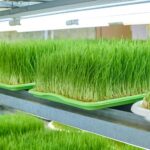
Technology adoption is increasingly shaping how farm expansion takes place across the country. Precision agriculture tools such as GPS guided equipment, drone monitoring and soil analysis systems help farmers improve efficiency without necessarily increasing land size. These technologies support better decision making on fertiliser use, irrigation management and pest control, reducing waste and improving yields. Controlled environment farming systems such as hydroponics and greenhouse production are also creating expansion opportunities in areas with limited arable land. Young farmers and agritech entrepreneurs are playing a growing role in introducing these systems into commercial and small scale agriculture. Technology driven expansion allows producers to increase output while managing costs more effectively.
Access to reliable water resources remains one of the most important factors influencing farm expansion in South Africa. Water scarcity and recurring drought conditions continue to affect agricultural production in several regions. Farmers planning to expand must therefore invest in efficient irrigation systems, water storage infrastructure and conservation practices. Drip irrigation, rainwater harvesting and precision water management systems are increasingly being adopted to improve water use efficiency. Expansion plans that ignore long term water sustainability often face operational challenges during dry periods. As climate pressures intensify, water management is becoming central to the future success of agricultural growth strategies.
Financial planning is another critical element of successful farm expansion. Expanding operations requires capital for land, machinery, infrastructure, labour and production inputs. Farmers often rely on a combination of commercial loans, partnerships and reinvested profits to fund growth. However, rising fuel, fertiliser and electricity costs can place pressure on cash flow during expansion phases. Careful budgeting and phased development plans help reduce financial risk and improve long term sustainability. Farmers who expand too quickly without strong financial controls may struggle to maintain profitability during periods of lower commodity prices or poor harvest conditions.
Market access also plays a major role in determining whether expansion efforts succeed. Increasing production without securing stable buyers can lead to oversupply and financial losses. Many South African farmers are therefore focusing on strengthening relationships with retailers, export markets and agro processing companies before scaling operations. Some producers are investing directly in packaging, branding and processing to capture more value from their products. Export opportunities remain particularly important for sectors such as citrus, table grapes, wine and nuts. Strong logistics and reliable transport infrastructure are essential for farms aiming to compete in both local and international markets.
Labour management and skills development continue to influence expansion outcomes across the agricultural sector. Larger operations require trained workers who can manage machinery, irrigation systems, livestock health and production processes effectively. Farmers increasingly recognise the importance of investing in worker training to improve productivity and reduce operational errors. Mechanisation is also being used to support labour efficiency in some sectors where labour shortages or rising wage costs are affecting operations. At the same time, many expansion strategies aim to create employment opportunities in rural communities where agriculture remains a major economic driver. Balancing mechanisation with sustainable job creation remains an ongoing challenge for the sector.
Farm expansion strategies in South Africa are evolving as farmers respond to economic pressure, climate challenges and changing market demands. Growth is no longer measured only by farm size but also by efficiency, sustainability and resilience. Producers are increasingly combining land expansion with diversification, technology adoption and stronger market integration to improve long term performance. The success of these strategies depends on careful planning, financial discipline and responsible resource management. As agriculture continues to adapt to modern production realities, farm expansion will remain a key part of strengthening food security, improving rural economies and building a more competitive agricultural sector in South Africa.
Join 'Farmers Mag' WhatsApp Channel
Get the latest Farming news and tips delivered straight to your WhatsApp
CLICK HERE TO JOIN