Livestock farming plays a major role in rural economies and national food supply in South Africa. Government livestock programs are designed to support farmers, improve animal health, and strengthen agricultural productivity across both commercial and small-scale farming systems. These programs focus on practical support that helps farmers manage risks, improve breeding outcomes, and increase access to veterinary services. They also aim to protect the country from major animal diseases that can disrupt food supply chains and trade. In a country where livestock contributes significantly to livelihoods, these interventions are essential for long-term stability and growth.
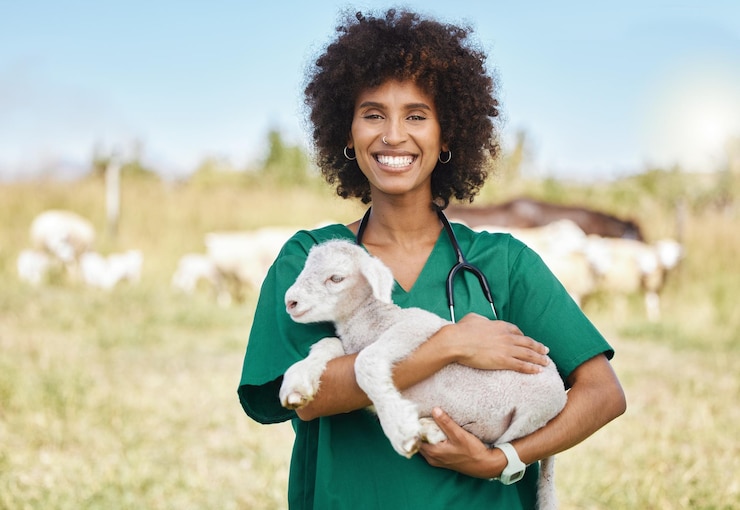
Across South Africa, government livestock support is delivered through national and provincial departments of agriculture working together with veterinary services and agricultural extension officers. One of the core areas of focus is animal health management, including vaccination campaigns and disease surveillance systems. Programs target serious livestock diseases such as Foot and Mouth Disease, brucellosis, and anthrax, which can spread quickly and cause major losses. Veterinary teams conduct field visits, community awareness campaigns, and livestock inspections to reduce outbreaks and improve early detection. Farmers are encouraged to report symptoms early and follow strict biosecurity practices to protect their herds.
Another key component of livestock programs is farmer support and training. Government departments run extension services that help farmers improve breeding practices, feeding systems, and herd management techniques. These services are especially important for emerging and small-scale farmers who may not have access to private veterinary or agricultural consultants. Training sessions are often held in rural communities to ensure that farmers receive practical knowledge close to where they operate. Topics include pasture management, animal nutrition, record keeping, and sustainable grazing practices that protect land quality over time.
Infrastructure development is also part of livestock support initiatives. Government programs assist with fencing, water supply systems, dipping tanks, and livestock handling facilities that improve farm efficiency and animal welfare. These investments help reduce livestock theft, control disease spread, and improve productivity. In many rural areas, lack of infrastructure remains a major barrier to successful farming, so these interventions play a direct role in strengthening agricultural output. Some programs also support the rehabilitation of communal grazing lands to prevent overgrazing and land degradation.
Financial assistance and market access support are also included in livestock development strategies. Farmers may receive input subsidies, access to government grants, or support through agricultural development schemes aimed at increasing production capacity. In addition, efforts are made to connect farmers to formal markets, auctions, and supply chains so they can sell livestock at fair prices. This helps improve income stability and encourages reinvestment into farming operations. By strengthening market linkages, government programs help ensure that livestock farming becomes more commercially viable for rural households.
Government livestock programs also focus on sustainability and climate resilience. Changing weather patterns, drought conditions, and resource pressure continue to affect livestock production across many regions. As a result, programs promote climate-smart farming practices such as rotational grazing, water conservation, and drought-resistant fodder production. These approaches help farmers maintain productivity even under difficult environmental conditions. Research institutions and agricultural agencies also work together to develop improved livestock breeds that are better adapted to local conditions.
Government livestock programs in South Africa play a central role in strengthening rural livelihoods, improving animal health, and supporting national food security. Through veterinary services, training initiatives, infrastructure development, and financial support, these programs address the key challenges faced by livestock farmers. They also promote sustainable farming practices that protect natural resources while improving productivity. As demand for livestock products continues to grow, these government interventions remain critical in building a resilient and competitive agricultural sector.
Join 'Farmers Mag' WhatsApp Channel
Get the latest Farming news and tips delivered straight to your WhatsApp
CLICK HERE TO JOIN