Farm maintenance in South Africa plays a critical role in ensuring long-term productivity, safety, and profitability across all types of agricultural operations. Whether a farm focuses on livestock, crops, or mixed farming systems, regular maintenance helps reduce breakdowns, improve efficiency, and protect valuable assets. South African farmers face unique challenges such as drought, variable rainfall, rising input costs, and infrastructure strain, which makes structured maintenance even more important. A well-planned checklist ensures that nothing is overlooked and that daily, weekly, and seasonal tasks are managed effectively. Consistent maintenance also supports compliance with safety standards and improves overall farm performance.
One of the most important areas of farm maintenance is infrastructure management, which includes fences, gates, roads, buildings, and water systems. Fencing should be checked regularly for damage caused by weather, animals, or theft, as broken fences can lead to livestock losses and security risks. Farm roads must be maintained to ensure smooth movement of vehicles, especially during rainy seasons when erosion and mud can create access problems. Buildings such as barns, storage units, and sheds need routine inspections to identify leaks, structural damage, or pest infestations. Water infrastructure, including tanks, pipes, and irrigation systems, must also be checked frequently to prevent leaks and ensure reliable supply.
Equipment maintenance is another essential part of a farm checklist, as machinery downtime can significantly affect productivity during critical farming periods. Tractors, harvesters, ploughs, and irrigation pumps should be inspected before and after use to identify wear and tear. Regular oil changes, filter replacements, and lubrication help extend the lifespan of machinery and reduce costly repairs. Farmers should also ensure that spare parts are readily available for essential equipment to avoid delays during planting or harvesting seasons. Proper storage of machinery under cover helps protect it from rust and weather damage, especially during heavy rains or extreme heat conditions common in many parts of South Africa.
Livestock care is a major component of farm maintenance for animal-based farming operations. Regular inspection of animals ensures early detection of diseases, injuries, or nutritional deficiencies. Housing facilities for livestock must be cleaned and disinfected regularly to prevent the spread of infections and parasites. Feeding systems and water troughs should be checked daily to ensure animals have constant access to clean water and balanced nutrition. Vaccination schedules and veterinary visits must be strictly followed to maintain herd health and prevent outbreaks of diseases such as Foot and Mouth Disease and brucellosis.
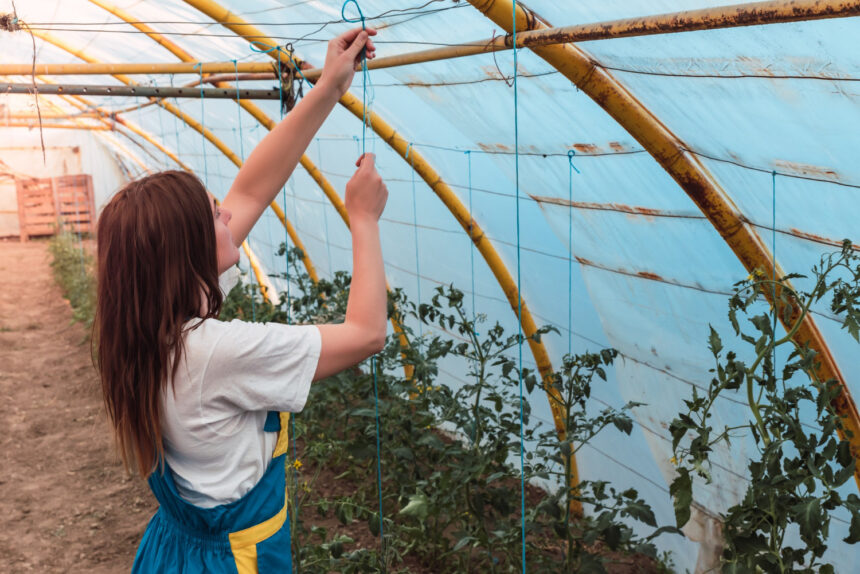
Crop maintenance is equally important, especially for farmers engaged in large-scale or smallholder crop production. Fields must be inspected regularly for weeds, pests, and signs of disease that can reduce yields. Irrigation systems should be monitored to ensure even water distribution and avoid water stress in crops during dry periods. Soil health management, including fertilization and pH monitoring, helps maintain long-term productivity and prevents land degradation. Crop rotation and proper planting schedules also form part of a strong maintenance strategy that improves soil fertility and reduces pest buildup over time.
Security is a growing concern for farms across South Africa, making it an important part of any maintenance checklist. Farmers need to regularly check security systems such as alarms, cameras, and lighting to ensure they are functioning properly. Perimeter security, including fences and access gates, should be reinforced to reduce the risk of theft or trespassing. Community cooperation and communication with local farm security networks can also enhance protection. Maintaining visibility around key areas of the farm helps reduce hiding spots and improves overall safety.
Seasonal planning is another key element of farm maintenance that ensures farms remain productive throughout the year. Before planting seasons, farmers should prepare soil, service equipment, and inspect irrigation systems to ensure readiness. During harvesting seasons, storage facilities must be cleaned and prepared to prevent spoilage of produce. In dry seasons, water conservation systems should be checked and strengthened to manage limited water supply. Each season brings different maintenance priorities, and a structured checklist helps farmers stay organized and efficient.
A well-structured farm maintenance checklist in South Africa is essential for improving productivity, reducing risks, and protecting long-term investments. By focusing on infrastructure, equipment, livestock, crops, security, and seasonal planning, farmers can ensure smooth and efficient farm operations. Regular maintenance reduces costly breakdowns and improves overall sustainability in a challenging agricultural environment. It also helps farmers respond better to climate variability and market demands. With consistent attention to detail and disciplined planning, farm maintenance becomes a powerful tool for building stronger, more resilient agricultural enterprises.
Join 'Farmers Mag' WhatsApp Channel
Get the latest Farming news and tips delivered straight to your WhatsApp
CLICK HERE TO JOIN