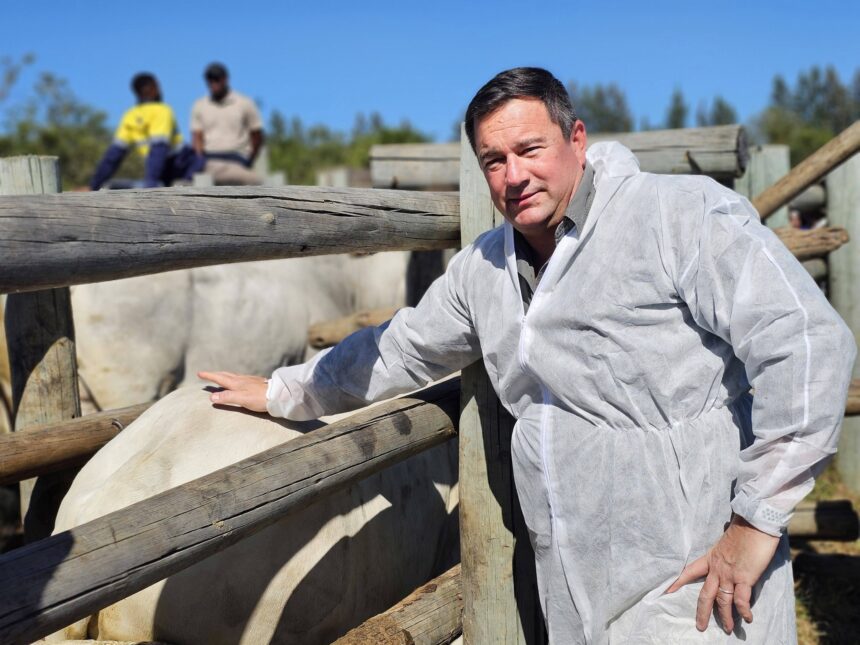
The Minister of Agriculture, John Steenhuisen, has officially acted under Section 9 (1) of the Animal Diseases Act, 1984 (Act No. 35 of 1984) to repeal existing control measures relating to Foot and Mouth Disease in KwaZulu-Natal. This decision revokes Government Notice No 5997 of 17 March 2025 and formally rescinds the Foot and Mouth Disease management area in the province. The move marks a significant shift in animal health regulation and disease control strategy within South Africa’s livestock sector. It signals that the previously enforced containment measures in KwaZulu-Natal are no longer required under current veterinary risk assessments. The announcement carries major implications for livestock farmers, veterinary services, and agricultural trade operations in the province.
Foot and Mouth Disease remains one of the most economically significant animal diseases affecting cloven-hoofed livestock such as cattle, goats, sheep, and pigs. Control measures are typically introduced to restrict animal movement, prevent disease spread, and protect both domestic production and international trade compliance. The decision to repeal these measures suggests that disease conditions in the affected area have improved to a level where strict movement restrictions are no longer necessary. Veterinary authorities rely on surveillance data, laboratory testing, and field inspections before advising on such policy changes. This ensures that animal health decisions are based on scientific evidence and risk assessments rather than administrative timelines.
The removal of the Foot and Mouth Disease management area in KwaZulu-Natal is expected to ease restrictions on livestock movement within and beyond the province. Farmers may experience improved access to markets, reduced transport limitations, and fewer compliance burdens related to animal relocation permits. These changes can help restore normal trading conditions for cattle auctions, abattoirs, and cross-provincial livestock sales. However, authorities are expected to maintain routine monitoring and biosecurity guidelines to prevent any resurgence of the disease. Farmers are still encouraged to follow strict hygiene practices and report any suspected symptoms immediately to veterinary officials.
KwaZulu-Natal has historically been one of the key livestock-producing provinces in South Africa, making disease control measures particularly impactful on rural economies. Restrictions linked to Foot and Mouth Disease management areas often affect small-scale farmers the most, as they rely heavily on local markets and livestock mobility for income generation. The lifting of these controls may therefore support improved economic activity in rural communities and help stabilize livestock value chains. It also restores confidence among buyers and traders who depend on predictable animal health conditions for business planning. Veterinary services will continue to play a critical role in ensuring that this stability is maintained through ongoing surveillance systems.
While the repeal of control measures signals progress, it does not eliminate the risk of future outbreaks. Foot and Mouth Disease is highly contagious and can spread rapidly through direct contact between animals or contaminated materials. For this reason, biosecurity remains a key pillar of national animal health strategy even after restrictions are lifted. Farmers are advised to continue implementing preventive measures such as controlled animal movement, disinfection of equipment, and isolation of new livestock before herd integration. These practices are essential in protecting both individual farms and the wider agricultural economy from potential reinfection risks.
The decision also reflects broader efforts by South African agricultural authorities to balance disease control with economic sustainability. Livestock production is a vital component of national food security and rural development, contributing significantly to employment and income generation. Policies such as disease management area declarations are designed to protect this sector, but they must also be reviewed regularly to avoid unnecessary economic disruption. By rescinding the KwaZulu-Natal management area, the Department of Agriculture is signaling confidence in current disease containment outcomes while allowing economic activity to recover.
The repeal of Foot and Mouth Disease control measures in KwaZulu-Natal under the Animal Diseases Act represents an important milestone for South Africa’s livestock sector. It reflects improved disease control conditions supported by veterinary surveillance and scientific assessment. The decision is expected to ease restrictions on farmers, restore market access, and support rural economic recovery across the province. However, continued vigilance remains essential to prevent future outbreaks and protect the gains achieved through previous control efforts. As the livestock industry adjusts to this regulatory change, strong biosecurity practices and ongoing monitoring will remain critical to maintaining animal health and sustaining agricultural growth.
Join 'Farmers Mag' WhatsApp Channel
Get the latest Farming news and tips delivered straight to your WhatsApp
CLICK HERE TO JOIN