

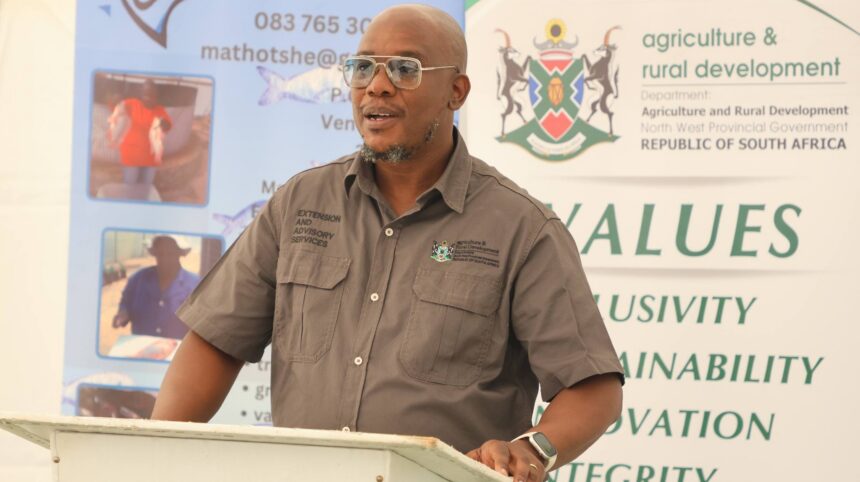
On 15 May, the Department of Agriculture and Rural Development in the Dr Kenneth Kaunda District Municipality hosted a major aquaculture sector engagement at the Mathotshe Business Enterprise Aquaculture Projects site in Doornkop, outside Ventersdorp, within the JB Marks Local Municipality. The high-level event brought together international delegates, aquaculture experts, local farmers and industry stakeholders to explore opportunities for growth, investment and collaboration within Africa’s fisheries and aquaculture sector. The engagement highlighted the increasing importance of sustainable fish farming in supporting food security, economic development and rural employment across the continent. Delegates from Uganda and Egypt joined South African sector leaders to exchange ideas and assess the progress being made within the province’s aquaculture industry. The gathering also reflected the growing recognition of aquaculture as a strategic industry capable of transforming rural economies and creating long-term opportunities for communities.
Among the organisations represented at the event were the African Women Fish Processors and Traders Network (AWFISHNET), the South African Network for Women in Fisheries and Aquaculture (SANWFA) and Turning Tides Organization. These organisations continue to play an important role in advancing inclusive growth, gender equality and sustainable development within the fisheries and aquaculture sector throughout Africa. Their participation reinforced the need for stronger regional cooperation and increased support for women involved in fish production, processing and trade. Discussions during the engagement focused on empowering women entrepreneurs, expanding access to resources and creating opportunities for emerging aquaculture farmers. The event also showcased how partnerships between government institutions, private enterprises and development organisations can help strengthen the future of aquaculture across the continent.
Mathotshe Business Enterprise Aquaculture Projects has become one of the province’s leading state-funded aquaculture enterprises through its commitment to sustainable fish production and sector development. The project specialises in the farming of Nile Tilapia and fingerling breeding, supplying aquaculture farmers across South Africa with quality stock to support fish farming operations. Over the years, the enterprise has built a strong reputation for excellence while contributing to the growth of the local aquaculture economy. The project has also positioned itself as a centre of excellence by mentoring emerging aquaculture farmers and supporting new projects in different parts of the country. Its success demonstrates how strategic investment in aquaculture infrastructure and skills development can create sustainable economic opportunities in rural communities.
The Department of Agriculture and Rural Development has worked closely with the project owner to strengthen and expand the enterprise through technical support, production development and skills transfer initiatives. This partnership has contributed to increased fish production capacity while creating employment opportunities for local residents in and around the Doornkop area. Officials highlighted the importance of supporting projects that not only produce food but also build local expertise and encourage entrepreneurship within rural communities. Skills development remains a critical part of the department’s broader strategy to ensure that aquaculture farmers can operate sustainably and competitively in the growing African seafood market. Through continued investment and collaboration, the department aims to position the province as a leader in sustainable aquaculture production.
The engagement also served as an important platform for continental knowledge exchange and investment exploration within the fisheries and aquaculture value chain. Visiting delegates from Uganda and Egypt were given the opportunity to assess the work being undertaken at the Mathotshe project and engage directly with stakeholders involved in the operation. Discussions included potential future investment partnerships that could help scale production, improve infrastructure and expand market opportunities for locally farmed fish products. The possibility of international cooperation generated optimism among stakeholders who see aquaculture as a growing industry with strong economic potential for Africa. By creating these connections, the event helped open the door for future partnerships that may strengthen regional aquaculture development and trade.
Local farmers and members of Women in Agriculture and Rural Development (WARD) also participated in the engagement, highlighting the importance of inclusive participation in building a sustainable aquaculture economy. Women continue to play a major role in agriculture and fisheries across Africa, yet many still face challenges related to access to funding, training and market opportunities. Events such as this one provide valuable opportunities for women farmers and entrepreneurs to connect with industry leaders and gain exposure to new ideas and technologies. Stakeholders emphasized that inclusive participation is essential for building resilient food systems and supporting long-term economic growth in rural communities. The presence of local farmers also ensured that discussions remained connected to the practical realities and needs of the people directly involved in fish farming operations.
The aquaculture sector engagement in Doornkop demonstrated the growing importance of collaboration, innovation and investment in shaping the future of sustainable fisheries development in Africa. Through partnerships between government, private enterprises and regional organisations, projects like Mathotshe Business Enterprise Aquaculture Projects are helping drive economic growth while strengthening food security and creating jobs. The event highlighted the value of knowledge sharing between African countries and the need for continued support for emerging aquaculture enterprises. It also reinforced the importance of empowering women and local communities within the broader fisheries value chain. As interest in sustainable aquaculture continues to grow, initiatives like this engagement are expected to play a key role in advancing a stronger, more inclusive and resilient aquaculture economy across South Africa and the African continent.
Join 'Farmers Mag' WhatsApp Channel
Get the latest Farming news and tips delivered straight to your WhatsApp
CLICK HERE TO JOIN




