South Africa has intensified its animal health response as veterinary teams continue a large-scale foot-and-mouth disease vaccination campaign across KwaZulu-Natal. The programme follows a successful rollout in uLundi within the Zululand District Municipality, where 72 571 cattle were registered through dip tank operations. This coordinated effort forms part of a national strategy aimed at controlling and reducing the spread of foot-and-mouth disease in high-risk farming areas. Veterinary services have remained active in the field, with teams working continuously to reach as many cattle owners as possible. The campaign reflects the urgency of protecting livestock health while securing the livelihoods of farmers who depend on cattle production.
In the latest phase of the rollout, veterinary teams administered 16 557 vaccine doses at the start of the campaign in Nongoma Local Municipality. The operation is being carried out by KwaZulu-Natal’s agricultural and veterinary services in line with the national mass vaccination strategy. The approach focuses on high-risk zones that are vulnerable due to proximity to provincial borders and neighbouring countries. This targeted method allows authorities to contain outbreaks more effectively and prevent further spread into low-risk regions. The campaign has been prioritised in areas where livestock movement is frequent and where previous cases have been recorded.
The vaccination programme is currently concentrated in key hotspot districts across KwaZulu-Natal, including Amajuba, uThukela, uMgungundlovu, uGu, Harry Gwala, uMkhanyakude, and Zululand. These regions have been identified based on disease risk assessments and livestock population density. Veterinary teams operate in structured units to ensure that cattle are vaccinated systematically and recorded accurately. Dip tank systems play a central role in the process, allowing large numbers of cattle to be processed efficiently in rural farming communities. The focus remains on achieving wide coverage to build immunity within herds and reduce future outbreaks.
A total of 20 vaccination teams have been deployed in the current phase of the campaign, and they are expected to continue operations in Nongoma until May 18 before moving to uMgungundlovu District Municipality. Additional districts have already been scheduled for follow-up vaccination rounds as part of the broader rollout plan. This phased approach ensures that resources are distributed effectively and that no high-risk area is left unprotected. The teams work closely with local farmers and community structures to coordinate cattle gathering and ensure smooth operations at dip tanks. The structured deployment also helps maintain consistency in vaccine delivery and monitoring.
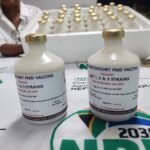
Since the start of the vaccination drive on February 26, more than 850 000 vaccine doses have already been administered to cattle across the province. This large-scale intervention highlights the seriousness of the outbreak response and the commitment to safeguarding the agricultural sector. Foot-and-mouth disease poses a significant threat to livestock productivity and can lead to major economic losses if not controlled effectively. The ongoing campaign demonstrates a strong partnership between government veterinary services and farming communities. With continued vaccination efforts and expanded coverage, authorities aim to stabilise the situation and protect the long-term sustainability of cattle farming in KwaZulu-Natal.
Join 'Farmers Mag' WhatsApp Channel
Get the latest Farming news and tips delivered straight to your WhatsApp
CLICK HERE TO JOIN