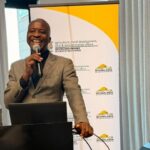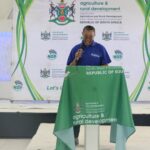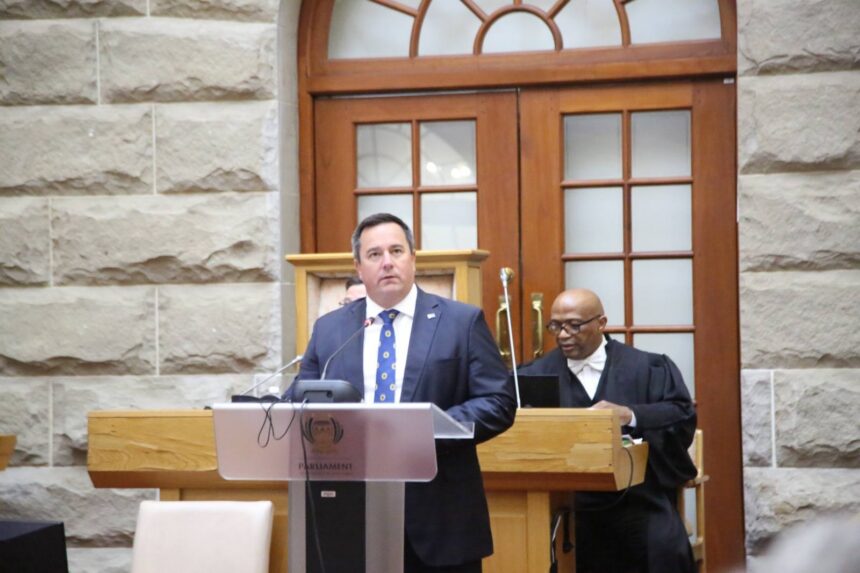
South African agriculture is entering a new phase of development marked by structural reform, increased investment, and a stronger focus on resilience in a volatile global economy. The Agriculture Budget Vote 29, presented by Minister John Steenhuisen, highlights the government’s intention to strengthen the sector while addressing long-standing challenges such as tightening profit margins, climate pressures, and uneven access to markets. The budget speech comes at a time when agriculture is increasingly recognised as a central pillar of economic stability and rural development. It also reflects a shift from policy discussion to measurable implementation across production, trade, and food security systems. The message is clear that the sector is expected to deliver both economic growth and social impact.
John Steenhuisen framed the budget around the resilience of the agricultural sector and its ability to adapt under pressure. He emphasised that South African agriculture is not only surviving global uncertainty but actively repositioning itself for long term growth. Deputy Minister Nokuzola Capa reinforced this perspective by highlighting the sector’s deep economic and social importance. She noted that agriculture supports food security, contributes around 5 percent of total employment, and directly engages about 17 percent of households across the country. Regions such as Limpopo and the Eastern Cape remain heavily dependent on agricultural activity for income, employment, and community stability.
The agricultural sector continues to play a critical role in exports, rural development, and national food systems. It supports both commercial farming operations and smallholder producers, creating a dual structure that requires balanced policy support. The budget allocation reflects this complexity and prioritises investment in institutional strength, production capacity, and market expansion. Government aims to improve coordination between national and provincial departments to ensure that funding translates into practical outcomes. The focus is on strengthening systems that support farmers at every stage of the value chain, from production to market access.
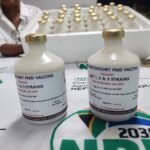
Programme 1, which covers Administration, receives R1 billion to ensure strong institutional capacity and effective service delivery. This allocation supports governance systems, policy implementation, and administrative efficiency within the department. Programme 2, focusing on Agricultural Production, Biosecurity and Natural Resources Management, receives R2.5 billion. This funding is directed at improving production systems, strengthening disease control measures, and promoting sustainable use of natural resources. Biosecurity remains a key priority due to ongoing risks that affect livestock and crop production, requiring continuous monitoring and rapid response systems.
Programme 3, which covers Food Security and Support, is allocated R3.2 billion and represents one of the largest shares of the budget. This programme focuses on supporting farmers, expanding extension services, and strengthening national food security initiatives. It is designed to ensure that vulnerable communities have reliable access to food while also supporting emerging farmers to improve productivity. Programme 4, covering Economic Development, Trade and Marketing, receives R924 million to drive export growth and expand access to high value markets. This allocation aims to integrate more producers into competitive supply chains and improve South Africa’s position in global agricultural trade. Together, these programmes form a coordinated strategy to transform agriculture into a more inclusive, productive, and export oriented sector.
Join 'Farmers Mag' WhatsApp Channel
Get the latest Farming news and tips delivered straight to your WhatsApp
CLICK HERE TO JOIN