The livestock sector in KwaZulu-Natal is entering a stronger phase of disease control and field capacity expansion as the provincial government intensifies its response to Foot and Mouth Disease. The KwaZulu-Natal Department of Agriculture and Rural Development has announced the recruitment of 60 Animal Health Technicians to strengthen vaccination teams and improve operational efficiency across rural areas. This move comes at a critical time when livestock farmers are under pressure due to disease outbreaks affecting production and trade. The new appointments are expected to reduce workload on veterinary professionals and expand the reach of vaccination campaigns. It also reflects a shift toward more proactive disease prevention strategies rather than reactive containment.
Animal Health Technicians, often described as the support backbone of veterinary services, play a direct role in livestock health management. They assist with vaccinations, support laboratory diagnostics, and help with data collection during field operations. These technicians also ensure that accurate records are maintained, which is essential for tracking disease spread and vaccination coverage. By integrating these roles into existing teams, the department improves both speed and efficiency in service delivery. The addition of 60 new recruits under the Expanded Public Works Programme strengthens this system at a time when demand for services is increasing.
The department confirmed that these new recruits will help scale up vaccination efforts across key districts including uGu, Harry Gwala, and uMkhanyakude. These areas were part of the first phase of vaccination campaigns aimed at controlling Foot and Mouth Disease spread in high-risk zones. With only 20 operational teams currently available, the workload on existing staff has been significant and unsustainable. The new appointments will immediately increase capacity from 20 teams to 35 teams, improving coverage and reducing delays. This expansion is expected to improve response times and ensure more animals are vaccinated within required timeframes.
The intervention is part of a broader employment strategy that focuses on youth development and skills transfer within the agricultural sector. In March, the department also appointed 133 young people under the Unemployed Agricultural Graduate Programme and 109 Assistant Agricultural Practitioners. This brings the total number of new jobs created this year to 302, with further appointments expected for Data Capturers and Administrative Clerks. These additional roles will support field operations by managing livestock records and reducing administrative pressure on technical teams. The integration of young professionals also builds long term capacity within the province’s agricultural workforce.
Officials have emphasized that the primary objective of these interventions is to protect both farmers and the livestock economy. Foot and Mouth Disease continues to pose a serious threat to production, trade, and food security in the region. The department has shifted its approach from outbreak response to active disease eradication efforts. This includes increasing vaccination coverage, improving surveillance systems, and strengthening field operations. The goal is to ensure that KwaZulu-Natal remains competitive in both national and international livestock markets.
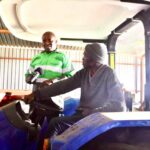
To support field operations, the department is also rolling out 48 new vehicles, including 4×4 units designed for difficult rural terrain. Many dip tanks and farming areas are located in remote regions that are difficult to access using standard vehicles. These new assets will improve mobility for veterinary teams and ensure faster response times during vaccination campaigns. Better transport infrastructure is expected to significantly improve service delivery in underserved areas. It will also allow teams to reach livestock populations that were previously difficult to access.
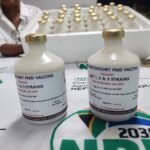
Progress in the vaccination programme has already been significant, with more than 766 000 cattle vaccinated across the province to date. The campaign began on 26 February in the uGu District, where 54 000 cattle were vaccinated during the first phase. In Harry Gwala District, 278 000 cattle were vaccinated, with remaining pockets scheduled for follow-up visits to ensure full coverage. In uMkhanyakude District, 175 000 cattle were successfully vaccinated, while operations continue in AbaQulusi under the Zululand District. In that region alone, more than 100 000 cattle have already been vaccinated, with teams continuing work in surrounding areas.
A major milestone was also achieved in the dairy sector, where vaccination of all dairy cattle in the province has been completed. This was done in partnership with industry stakeholders, including the Milk Producers Organisation, which confirmed the success of the campaign across all districts. A total of 355 000 dairy cattle were covered, providing strong protection for one of the most economically important segments of livestock farming. This achievement reduces production risks and helps stabilize milk supply chains across the country. It also demonstrates the value of coordinated action between government and industry.
The expansion of Animal Health Technicians, improved logistics, and large-scale vaccination coverage signal a major strengthening of KwaZulu-Natal’s animal health system. By increasing field teams from 20 to 35 and planning further expansion to 45 teams through additional support staff, the department is building long term resilience. The focus on youth employment also ensures skills development while addressing urgent service delivery needs. These combined efforts are designed to protect livestock, support farmers, and secure the agricultural economy. KwaZulu-Natal’s approach reflects a decisive move toward stronger disease prevention, improved field capacity, and a more sustainable livestock industry.
Join 'Farmers Mag' WhatsApp Channel
Get the latest Farming news and tips delivered straight to your WhatsApp
CLICK HERE TO JOIN