The floriculture business in South Africa offers strong opportunities for entrepreneurs, farmers, and investors who want to enter a growing agricultural niche. The sector focuses on the cultivation and commercial production of flowers and ornamental plants for local and export markets. Demand for cut flowers, potted plants, and landscaping varieties continues to grow in both urban and international markets. South Africa benefits from diverse climates that support year-round production in many regions, making it a competitive player in global floriculture. Success in this industry depends on careful planning, market understanding, and consistent quality production.
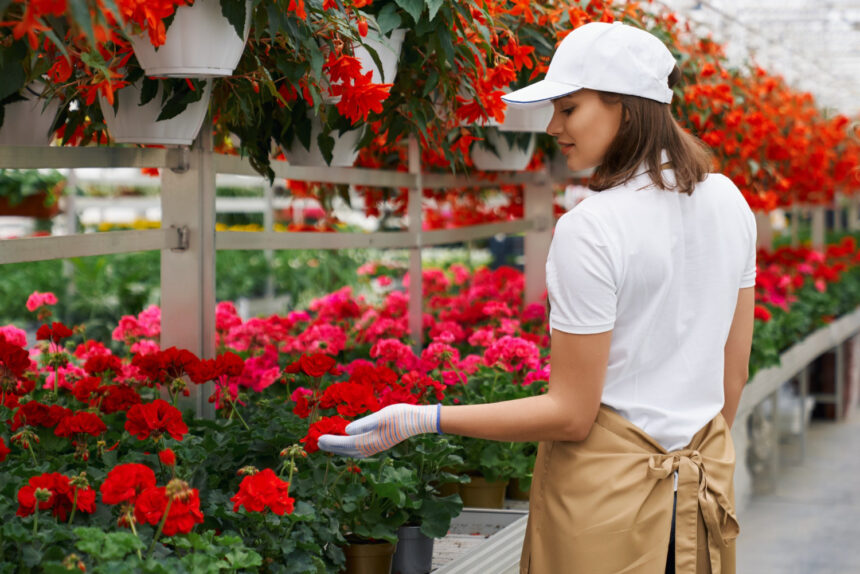
Starting a floriculture business requires selecting the right location and flower varieties suited to local climate conditions. Regions such as the Western Cape, Gauteng, and parts of KwaZulu-Natal are known for their strong horticultural environments. Temperature control, water availability, and soil quality play a major role in determining yield and flower quality. Many growers invest in greenhouse systems to regulate growing conditions and extend production cycles throughout the year. Commonly grown flowers include roses, chrysanthemums, lilies, and carnations, all of which have strong demand in both domestic and export markets. Proper crop selection directly affects profitability and long-term sustainability.
Infrastructure and production systems are central to running a successful floriculture operation. Greenhouses, irrigation systems, cold storage facilities, and transport logistics all require upfront investment. Efficient irrigation methods such as drip systems help reduce water waste and improve plant health. Post-harvest handling is equally important because flowers are highly perishable and must reach markets quickly while maintaining freshness. Cold chain management ensures that flowers remain in optimal condition from harvest to delivery. Without proper infrastructure, even high-quality production can result in financial losses due to spoilage or reduced market value.
Market access is one of the most important aspects of the floriculture business in South Africa. Local markets include flower markets, supermarkets, event planners, and retail florists who supply weddings, funerals, and corporate functions. The export market is also significant, with South African flowers shipped to Europe, the Middle East, and other global destinations. Exporting requires compliance with strict phytosanitary regulations, quality standards, and packaging requirements. Growers often work with exporters or cooperatives to meet international demand and manage logistics. Pricing is influenced by seasonality, demand trends, and competition from other producing countries.
Skills and knowledge are essential for long-term success in floriculture. Farmers must understand plant biology, pest management, fertilization techniques, and climate control systems. Integrated pest management is widely used to reduce crop damage while limiting chemical use. Training and continuous learning help producers adapt to changing market conditions and new agricultural technologies. Many successful growers also use data-driven approaches to track production cycles and improve efficiency. Without technical expertise, it becomes difficult to maintain consistent quality and meet market expectations.
Financial planning plays a major role in establishing a viable floriculture enterprise. Startup costs can be high due to infrastructure, plant material, and operational expenses. Ongoing costs include labour, utilities, packaging, and transport. Access to funding from banks, agricultural grants, or private investors can support business development in the early stages. Profitability depends on managing costs while maintaining high-value production. Growers who focus on niche markets or premium flower varieties often achieve higher margins.
Despite its opportunities, the floriculture industry in South Africa faces several challenges. Water scarcity, climate variability, and rising input costs place pressure on production systems. Competition from countries with lower production costs can also affect export competitiveness. Load shedding and energy costs can disrupt greenhouse operations and cold storage systems. Pest outbreaks and disease risks require constant monitoring and rapid response. These challenges require resilience, innovation, and efficient management strategies.
Technology is playing an increasing role in improving efficiency and productivity in floriculture. Automated irrigation systems, climate-controlled greenhouses, and digital monitoring tools help optimize growing conditions. Precision agriculture techniques allow growers to reduce waste and improve yield quality. Online marketplaces and digital marketing also provide new ways to reach customers directly. Adoption of these technologies helps producers remain competitive in both local and international markets. However, access to technology remains uneven, especially among small-scale growers.
The floriculture business in South Africa continues to show strong potential for growth and diversification. With the right combination of skills, infrastructure, and market access, growers can build sustainable and profitable enterprises. The sector supports employment, rural development, and export earnings, making it an important part of the agricultural economy. Success depends on balancing production efficiency with market demand while managing risks effectively. As global demand for flowers and ornamental plants continues to rise, South African producers who invest in quality and innovation are well positioned to benefit.
Join 'Farmers Mag' WhatsApp Channel
Get the latest Farming news and tips delivered straight to your WhatsApp
CLICK HERE TO JOIN