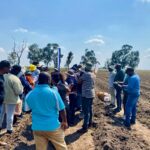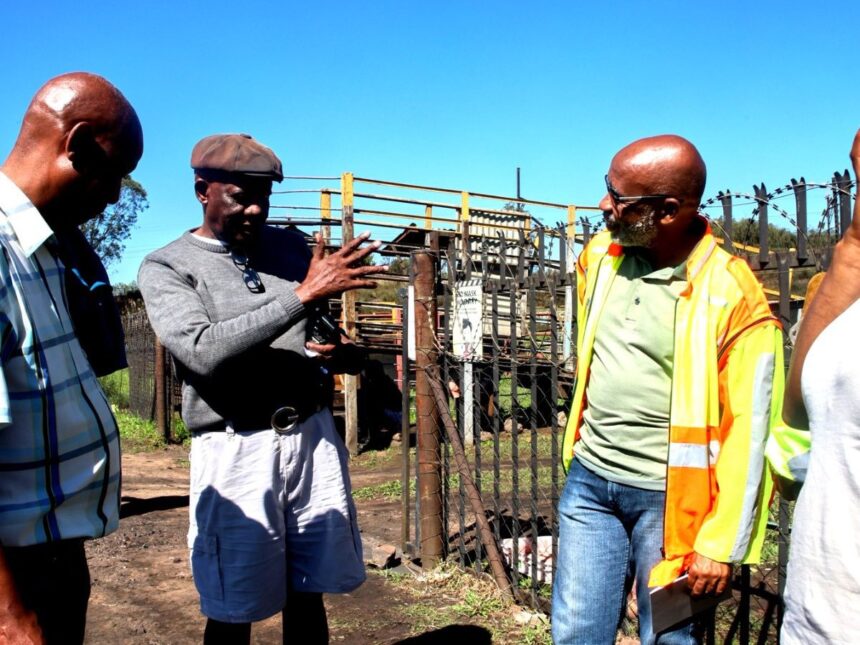
Efforts to safeguard South Africa’s agricultural sector continue to intensify as authorities focus on stricter enforcement of livestock movement regulations. On 28 April, Department of Agriculture provincial veterinary services officials worked alongside the Cullinan SAPS stock theft unit to conduct oversight at the Karoo-Ochse weekly livestock auction in Bronkhorstspruit. This coordinated action reflects a clear commitment to protecting animal health and ensuring that biosecurity protocols are followed at key trading points. Livestock auctions remain critical hubs in the agricultural economy, but they also carry risks if disease control measures are not strictly applied. By maintaining a visible presence and enforcing compliance, authorities aim to reduce the spread of foot-and-mouth disease and support long-term stability in the sector.
The inspection at the Karoo-Ochse auction focused on verifying that all livestock presented for sale met the required movement and health standards. Officials checked documentation such as permits, animal identification records, and transport compliance to ensure traceability across the value chain. These checks play a direct role in limiting illegal or unregulated animal movement, which is a major factor in the spread of infectious diseases. Veterinary teams also engaged with farmers, traders, and transporters on-site to reinforce awareness of current regulations. This approach combines enforcement with education, ensuring that all stakeholders understand their responsibilities and the risks involved.
Foot-and-mouth disease remains one of the most serious threats to livestock production, with the potential to disrupt both local markets and export opportunities. The disease spreads quickly among cloven-hoofed animals, and even a single outbreak can lead to significant economic losses. Movement controls are therefore essential, as they limit the chances of infected animals coming into contact with healthy herds. Regular oversight at auctions like Karoo-Ochse ensures that these controls are not only in place but actively enforced. Consistent monitoring builds confidence among farmers and buyers that the system is working to protect their investments.
Collaboration between veterinary services and law enforcement units such as the Cullinan SAPS stock theft team adds another layer of effectiveness to these operations. Stock theft and illegal trading often go hand in hand with non-compliance in animal health regulations, making joint operations critical. By working together, officials can address both criminal activity and disease risks in a single coordinated effort. This integrated approach improves efficiency and sends a strong message that non-compliance will not be tolerated. It also helps to build a culture of accountability within the livestock industry.
These ongoing oversight efforts highlight the importance of proactive measures in managing animal health risks. Farmers, auctioneers, and transporters all play a role in maintaining compliance, and consistent enforcement ensures that standards are upheld across the board. Protecting the agricultural sector requires vigilance, coordination, and a shared commitment to following established protocols. The work carried out at the Karoo-Ochse auction shows how targeted interventions can strengthen biosecurity at critical points in the supply chain. Continued focus on compliance with foot-and-mouth disease livestock movement controls will help secure the future of the industry and protect livelihoods that depend on it.
Join 'Farmers Mag' WhatsApp Channel
Get the latest Farming news and tips delivered straight to your WhatsApp
CLICK HERE TO JOIN