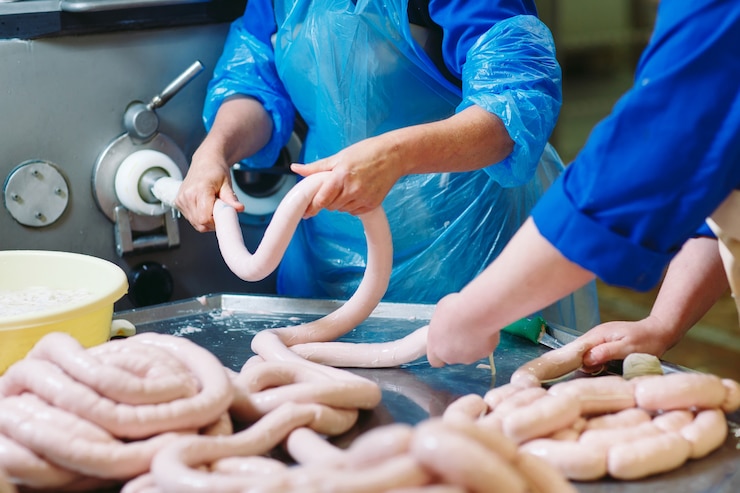
Starting a meat processing business in South Africa offers strong opportunities for entrepreneurs who want to enter the agricultural value chain and food production industry. Demand for processed meat products such as sausages, mince, biltong, and packaged cuts continues to grow across retail stores, butcheries, and hospitality markets. The sector is competitive, but it rewards businesses that meet strict hygiene standards and deliver consistent quality. South Africa’s large livestock industry provides a steady supply of raw materials, which supports local processing ventures. However, success depends on careful planning, regulatory compliance, and investment in proper facilities. Entrepreneurs who understand both production and food safety requirements can build sustainable and profitable operations.
The first step in starting a meat processing business is developing a clear business plan. This plan should define the type of meat products you intend to process and sell, such as beef, chicken, pork, or game meat. It must also outline your target market, whether retail consumers, restaurants, supermarkets, or wholesalers. Financial planning is critical because equipment, refrigeration, and compliance costs can be high. You also need to consider supply chain arrangements for sourcing livestock or carcasses from approved suppliers. A strong business plan helps you secure funding from banks, investors, or government support programmes. It also guides your operational decisions during the setup phase.
Compliance with South African food safety regulations is one of the most important requirements in this industry. Meat processing businesses must meet standards set by authorities such as the Department of Agriculture, Land Reform and Rural Development and local municipal health departments. Facilities must be registered and regularly inspected to ensure they meet hygiene and safety requirements. This includes proper sanitation systems, temperature control, and pest management. Failure to comply can lead to shutdowns or legal penalties. Food safety certification is also essential if you want to supply formal retail chains or export markets. Strict compliance builds trust with customers and business partners.
Choosing the right location and setting up proper infrastructure is essential for operational success. A meat processing facility must have separate areas for receiving raw meat, processing, packaging, and storage. Cold storage systems are critical to maintain product freshness and prevent contamination. The facility should also be designed for easy cleaning to meet hygiene standards. Access to reliable water and electricity is necessary for uninterrupted production. Location matters because it affects transport costs and access to suppliers and markets. Many successful businesses operate near livestock farming regions or urban distribution hubs.
Investing in the right equipment is another key factor in starting a meat processing business. Essential equipment includes meat grinders, slicers, mixers, vacuum sealers, and refrigeration units. Industrial-grade tools improve efficiency and ensure consistent product quality. Packaging equipment is also important because presentation plays a major role in retail sales. Depending on your product range, you may also need smoking or curing equipment for specialised products like biltong or sausages. Maintenance of equipment is important to avoid breakdowns that can disrupt production. High-quality equipment helps you meet industry standards and scale your operations over time.
Sourcing raw materials and building supplier relationships is a major part of running a meat processing business. You can source livestock directly from farmers or purchase carcasses from approved abattoirs. Consistent supply is important to maintain production schedules and meet customer demand. Building long-term relationships with suppliers can help stabilise prices and improve quality control. You must also ensure that all suppliers meet legal and health standards. Traceability is important in the meat industry because consumers and regulators require transparency about product origins. Reliable sourcing forms the backbone of a successful processing operation.
Marketing and distribution strategies determine how well your meat processing business performs in the market. You can sell products directly to consumers through butcheries, local shops, or online platforms. Supplying supermarkets, restaurants, and wholesalers can also increase your reach and revenue. Branding plays a major role because customers often choose products based on trust and quality perception. Packaging, labelling, and product consistency help build a strong brand identity. Marketing campaigns can include local advertising, social media promotion, and partnerships with retailers. Strong distribution networks ensure that your products reach customers efficiently and in good condition.
Starting a meat processing business in South Africa requires careful planning, strict compliance, and consistent quality control. Entrepreneurs who invest in proper facilities, equipment, and supplier relationships can build strong and competitive businesses in this growing sector. The industry offers opportunities for job creation, economic development, and participation in the agricultural value chain. However, success depends on maintaining high hygiene standards and adapting to market demands. With the right strategy, meat processing can become a stable and profitable business venture. South Africa’s growing demand for quality meat products continues to support new entrants who are prepared to operate professionally and efficiently.
Join 'Farmers Mag' WhatsApp Channel
Get the latest Farming news and tips delivered straight to your WhatsApp
CLICK HERE TO JOIN