Water is a core input for farming in South Africa, and how you access and use it directly affects your yields, costs, and risk. The country’s variable rainfall and periodic droughts make careful water management essential for both smallholders and commercial operations. You need a clear understanding of the legal framework before you invest in irrigation or expand production. Compliance is not optional, and mistakes can lead to fines, shutdowns, or loss of access. This guide explains how water rights work and how you can manage water use in a practical, compliant way.
South Africa regulates water through the National Water Act, 1998, which treats water as a national resource held in trust for the public. This means you do not own water on your land, even if you own the land itself. Instead, you receive permission to use water under specific conditions. The law prioritises basic human needs and ecological protection before allocating water for agriculture and industry. You must align your farm plans with these priorities and the conditions set by authorities. Understanding this principle helps you plan realistic expansion and avoid legal risk.
There are three main ways you can use water on your farm: Schedule 1 use, General Authorisations, and Water Use Licences. Schedule 1 covers small scale uses such as reasonable domestic needs, small gardens, and limited livestock watering. These uses do not require a licence but must remain within strict limits. General Authorisations allow larger volumes within defined areas and conditions, often tied to specific catchments. If your planned use exceeds these limits, you must apply for a Water Use Licence, which is more detailed and time consuming to obtain. You should confirm which category applies to your operation before you invest in infrastructure.
Applying for a licence requires accurate data and careful preparation. You will need to show where your water will come from, how much you plan to use, and how you will manage impacts on other users and the environment. Supporting documents often include maps, technical reports, and proof of land access. Authorities assess applications based on availability in the catchment and existing allocations. Processing times can be long, so you should plan well in advance of planting or expansion. Working with a qualified consultant can reduce errors and improve your chances of approval.
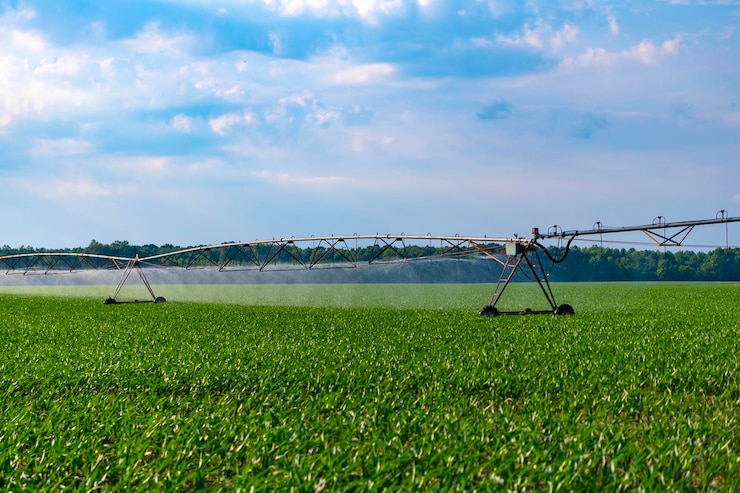
Efficient water use is not only a legal expectation but also a cost control strategy. You can reduce losses by using drip or micro irrigation instead of flood systems, and by scheduling irrigation based on soil moisture rather than fixed times. Regular maintenance of pipes, pumps, and valves prevents leaks that waste water and money. Soil health also matters, since higher organic matter improves water retention and reduces irrigation frequency. Simple actions such as mulching and windbreaks can lower evaporation. These steps help you produce more with less water and protect your margins.
Monitoring and record keeping are essential for compliance and decision making. You should install meters where required and keep accurate logs of volumes used, irrigation schedules, and rainfall. These records support audits and help you adjust your practices during dry periods. Digital tools and farm management software can simplify tracking and reporting. You also need to follow any licence conditions, including reporting intervals and abstraction limits. Consistent records make it easier to demonstrate compliance and to plan future applications.
Catchment management plays a key role in how water is allocated and protected. Regional bodies under the Department of Water and Sanitation oversee planning, enforcement, and stakeholder engagement. You benefit when you participate in local forums and stay informed about restrictions or changes in your area. During droughts, authorities may impose curtailments that reduce your allowed usage. Early awareness helps you adjust planting dates, crop choices, or stocking rates. Collaboration with neighbours can also improve shared resource management and reduce conflict.
Risk management should be part of your water strategy from the start. You can diversify water sources where possible, such as combining surface water with groundwater, provided you have the required permissions. On farm storage like dams can buffer short term shortages, but they also require approval and proper design. Crop selection matters, since some varieties perform better under limited water. Insurance and contingency planning help you handle extreme seasons. A clear plan reduces the impact of uncertainty on your operation.
Managing water rights and use in South Africa requires a mix of legal understanding, technical planning, and daily discipline. You need to know which authorisation applies to your farm and secure approvals before expanding your water use. Efficient systems, accurate records, and active engagement with authorities will keep you compliant and productive. The National Water Act sets the rules, and your decisions determine how well you operate within them. With a structured approach, you can protect your water access, control costs, and sustain your farm over the long term.
Join 'Farmers Mag' WhatsApp Channel
Get the latest Farming news and tips delivered straight to your WhatsApp
CLICK HERE TO JOIN