Ear tagging of cloven-hoofed animals has become a central tool in the fight against stock theft in KwaZulu-Natal, where livestock crime continues to threaten rural livelihoods and the agricultural economy. KwaZulu-Natal MEC for Agriculture and Rural Development Thembeni kaMadlopha-Mthethwa has described ear tagging as a critical intervention that strengthens identification, ownership verification and traceability across the province. The programme is designed to bring structure and accountability to livestock movement, especially in high-risk rural areas. Stock theft remains one of the most persistent challenges facing farmers, particularly in communities near wildlife reserves and border regions. By introducing a clear identification system, authorities aim to reduce illegal movement of animals and improve law enforcement response. The initiative also supports broader efforts to modernise livestock management in South Africa. It connects animal health, security and data tracking into one integrated system.
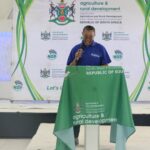
During a visit to the Mpempe dip tank in Mnqobokazi, Hluhluwe, the MEC explained how the ear tagging system is being rolled out across affected areas. She highlighted that the system provides essential information such as cattle ownership, district of origin and movement history. In regions close to game reserves, the system also helps address disease risks linked to wildlife interaction. These areas face additional challenges due to increased contact between livestock and wild animals, which raises the risk of infection spread. The tagging system therefore plays a dual role in both disease monitoring and theft prevention. According to the MEC, this approach improves the province’s ability to respond quickly to agricultural threats. It also ensures that livestock data is captured in a structured and usable format.
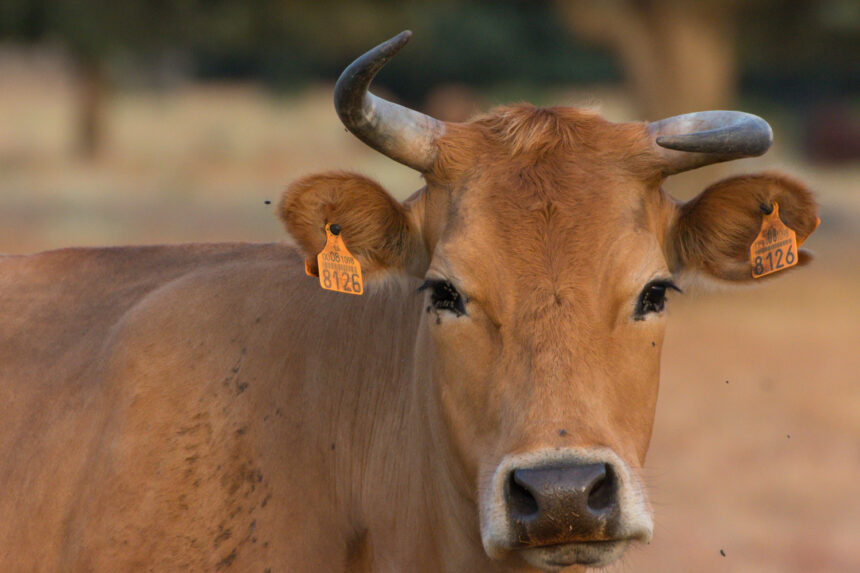
The Livestock Identification and Traceability System, known as LITS, forms the backbone of the ear tagging programme. Animals in high-risk zones near wildlife reserves are fitted with green ear tags, while those in other areas receive yellow tags. This colour coding system allows for quick visual identification and supports faster tracking during inspections or investigations. Each tag is linked to a digital record that contains detailed information about the animal. This includes ownership details, location history and movement records. The system is designed to reduce disputes over ownership and improve accountability among livestock owners. It also strengthens collaboration between farmers, veterinarians and law enforcement agencies.
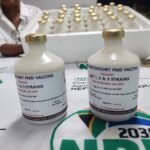
The tagging programme is being implemented alongside a large scale vaccination campaign led by veterinary teams. This combined approach addresses both disease control and livestock security at the same time. At Mpempe dip tank alone, approximately 1 400 cattle were vaccinated during the operation. Across Inkosi Mtubatuba and Big 5 Hlabisa municipalities, a total of 14 412 animals were vaccinated and tagged in a single day. The broader campaign aims to reach around 55 000 cattle in these municipalities. This is part of a wider provincial strategy to contain corridor diseases that are common in areas bordering wildlife reserves. These diseases pose a significant risk to livestock health and farmer income.
The MEC joined 20 vaccination teams deployed across affected areas to engage directly with farmers. These field visits allowed the department to understand local challenges and ensure that the programme runs smoothly. Farmers were given the opportunity to ask questions and raise concerns about livestock management and disease prevention. The department has already completed similar operations in uMhlabuyalingana, Jozini, uGu and Harry Gwala districts. This shows a phased rollout strategy that prioritises high-risk areas before expanding further. The hands-on approach also helps build trust between government and farming communities. Strong engagement is seen as essential for long term success.
Farmers have been encouraged to actively support both ear tagging and vaccination efforts. Their cooperation is necessary for the system to function effectively, especially in communal farming areas where livestock often graze in open spaces. Stock theft and disease outbreaks have long affected emerging farmers, reducing productivity and income stability. By adopting traceability systems, farmers gain stronger protection for their livestock and better access to support services. The integration of technology into livestock management is also expected to improve market access in the future. Buyers increasingly demand verified origin and health records before purchasing animals. This makes traceability a key factor in commercial competitiveness.
The current vaccination and tagging programme in the district is expected to be completed by 16 April 2026. After this phase, veterinary teams will move to the Zululand District on 20 April 2026 to continue the rollout. The department views this as a continuous process rather than a once off intervention. Each phase builds on the previous one, expanding coverage and improving system accuracy. The long term goal is to ensure that all livestock in KwaZulu-Natal are properly identified and traceable. This will make it harder for criminals to move stolen animals undetected. It will also improve disease control across the province.
The ear tagging and vaccination programme in KwaZulu-Natal represents a major step forward in modern livestock management and rural protection. Through leadership from Thembeni kaMadlopha-Mthethwa and coordinated veterinary action, the province is addressing both stock theft and disease control in a practical and structured way. The combination of visual tagging, digital traceability and vaccination creates a strong system that benefits farmers, government and consumers. It improves animal health outcomes while also strengthening security in vulnerable farming communities. Continued cooperation from farmers will be essential to maintain and expand these gains. As the programme moves into new districts, it lays the foundation for a more secure, transparent and resilient livestock sector in KwaZulu-Natal.
Join 'Farmers Mag' WhatsApp Channel
Get the latest Farming news and tips delivered straight to your WhatsApp
CLICK HERE TO JOIN