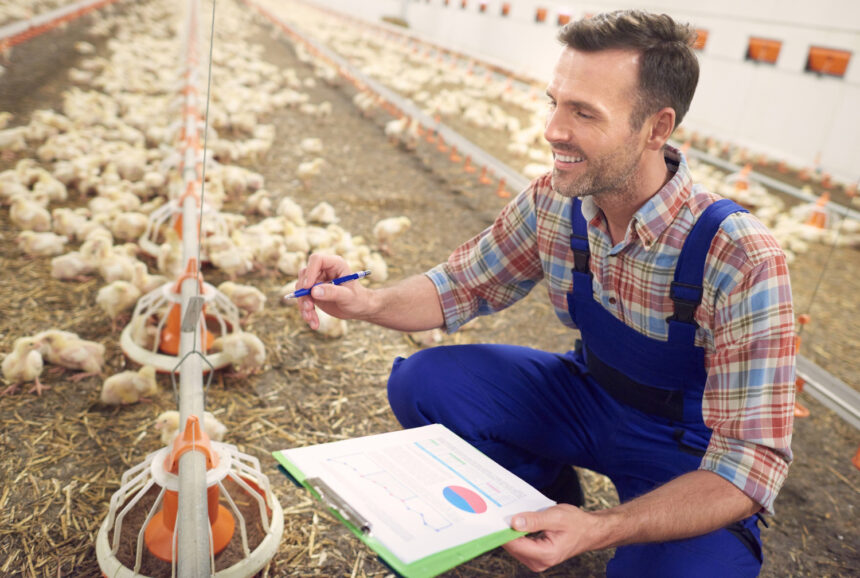
Youth poultry farming in South Africa offers a practical path for young people who want to start a business with low capital and fast returns. Poultry farming focuses on raising chickens for meat or eggs, which remain in high demand across both rural and urban markets. Many young farmers see it as an entry point into agriculture because it does not require large land areas. It also allows small scale start ups that can grow over time with proper planning and discipline. Food security challenges in South Africa create steady demand for poultry products, which strengthens business potential. With the right knowledge and consistent effort, youth poultry farming can become a stable source of income and employment.
Starting a poultry farming business begins with planning and understanding your market. You need to decide whether you want to focus on broilers for meat production or layers for egg production. Broilers grow fast and can be sold within weeks, while layers take longer but provide continuous egg supply. You should also identify your target customers such as households, local shops, or restaurants. A simple business plan helps you estimate costs for feed, chicks, housing, and veterinary care. You must also consider location because your setup should be safe, accessible, and protected from harsh weather. Proper planning reduces losses and improves your chances of success in the early stages.
Housing plays a major role in poultry farming because chickens need a safe and clean environment to grow well. A basic poultry house should provide protection from rain, wind, predators, and extreme temperatures. Good ventilation is important to prevent disease and maintain healthy air circulation. You should also ensure that the floor is dry and easy to clean to reduce bacteria buildup. Overcrowding should be avoided because it leads to stress, slow growth, and disease outbreaks. Proper spacing allows chickens to move freely and access feed and water easily. Clean housing conditions directly improve productivity and survival rates.
Choosing the right breed is important for performance and profitability. Broiler breeds are designed for fast growth and meat production, making them ideal for quick sales cycles. Layer breeds are selected for consistent egg production over a longer period. You should buy chicks from reputable suppliers to ensure they are healthy and vaccinated. Healthy chicks have strong immune systems and adapt better to new environments. You must also ensure proper brooding conditions during the first weeks of life. Temperature control is critical at this stage because young chicks are sensitive to cold and stress. Good early care sets the foundation for strong growth.
Feeding and health management are central to successful poultry farming. Chickens need balanced feed that contains proteins, vitamins, and minerals to support growth and egg production. Poor nutrition leads to slow growth, weak immunity, and reduced productivity. Clean water must always be available because dehydration affects health quickly. You should also follow vaccination schedules to prevent common poultry diseases. Regular observation helps you detect early signs of illness such as loss of appetite or unusual behaviour. Quick response to health issues reduces losses and protects the rest of the flock. Hygiene practices such as cleaning feeders and removing waste help prevent disease spread.
Marketing is an important part of poultry farming that determines your income and sustainability. You need to understand where and how you will sell your chickens or eggs before production increases. Local communities, informal markets, and small retailers are common entry points for young farmers. Some farmers also supply schools, butcheries, and restaurants depending on their scale. Building good relationships with buyers helps create repeat customers and stable income. Pricing should reflect your production costs while remaining competitive in the market. Transport and packaging also play a role in maintaining product quality during delivery.
Youth poultry farmers in South Africa often face challenges such as high feed costs, disease outbreaks, and limited access to funding. These challenges can slow down growth if not managed properly. You should reduce risks by starting small and expanding gradually as profits increase. Keeping accurate records of expenses and sales helps you understand your business performance. Training and mentorship from experienced farmers can improve your skills and decision making. Government and agricultural support programmes may also provide assistance for young entrepreneurs entering farming. Consistency and discipline are key factors in overcoming early business struggles.
Youth poultry farming offers real opportunities for income generation, skills development, and long term business growth. It allows young people to enter agriculture with limited resources while still building scalable enterprises. Success depends on planning, proper housing, good feeding practices, and effective disease control. Market awareness and financial management also play a major role in sustainability. With dedication and continuous learning, poultry farming can grow from a small backyard project into a reliable business. It remains one of the most accessible agricultural ventures for young people in South Africa who want to build independence and contribute to food production.
Join 'Farmers Mag' WhatsApp Channel
Get the latest Farming news and tips delivered straight to your WhatsApp
CLICK HERE TO JOIN