The Mpumalanga Department of Agriculture, Rural Development, Land and Environmental Affairs, known as DARDLEA, continues to strengthen animal health systems through proactive disease control measures aimed at protecting livestock farmers and safeguarding rural economies. The department’s veterinary services teams are actively carrying out inspections and dipping exercises across communities to prevent the spread of livestock diseases. This ongoing work reflects a structured and hands-on approach to animal health management in farming areas that depend heavily on cattle production. The initiative also demonstrates a strong commitment to supporting farmers with practical services that reduce disease risks and improve productivity. By focusing on prevention rather than reaction, DARDLEA aims to build a more resilient livestock sector across Mpumalanga.
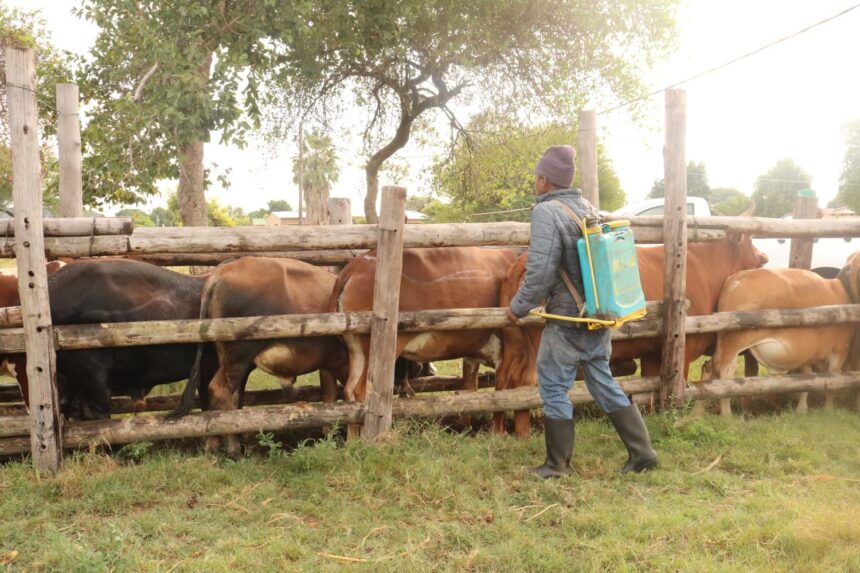
Livestock farmers in Ga-Maria and surrounding villages within the Dr J.S Moroka Local Municipality recently participated in a large-scale dipping exercise coordinated by veterinary services. Farmers brought their cattle to a designated dipping station where animals were treated and inspected by trained officials. The operation formed part of routine disease control efforts designed to manage external parasites and reduce the spread of infections within herds. These activities are essential in rural livestock systems where cattle often graze in communal areas and are exposed to ticks and other pests. The participation of farmers shows strong community cooperation and awareness of the importance of regular animal health care.
During the dipping exercise, cattle were treated with Delete-X5, a specialised acaricide dip used to control and eliminate ectoparasite infestations. The product is effective in targeting ticks, lice and other external parasites that can weaken animals and reduce productivity. Ticks are known to transmit several diseases that affect livestock health and can lead to financial losses for farmers if not properly controlled. Regular dipping helps prevent these risks by breaking the parasite life cycle and maintaining healthier herds. The use of approved veterinary treatments under supervision ensures that animals receive safe and effective protection.
The veterinary services teams also conducted inspections to assess the overall health of the cattle brought to the dipping station. These inspections are an important part of early disease detection and help identify any potential health concerns before they spread within communities. Farmers benefit from on-site guidance and monitoring, which improves their understanding of animal health management practices. The presence of veterinary professionals in rural areas also strengthens trust between government services and farming communities. This direct engagement ensures that livestock owners receive timely support and accurate information.
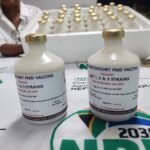
A key highlight of the operation was the confirmation that all cattle tested in the area were negative for Foot-and-Mouth Disease. This result is significant for livestock farmers because Foot-and-Mouth Disease is highly contagious and can have severe economic impacts on cattle production. A negative result indicates that current disease control measures are effective and that the local livestock population remains protected. It also supports continued market access for farmers who rely on cattle sales for income. Regular monitoring and testing remain critical in maintaining this disease-free status.
The dipping programme also plays a broader role in improving livestock productivity and rural livelihoods. Healthy cattle are more productive, grow better and are less likely to suffer from disease-related losses. This directly benefits farmers by reducing veterinary costs and improving overall herd performance. The department’s approach combines routine veterinary services with farmer education to ensure long-term impact. Farmers are encouraged to continue bringing their cattle for regular dipping and to follow recommended animal health practices throughout the year.
DARDLEA’s proactive disease control strategy reflects a long-term commitment to building a strong and sustainable livestock sector in Mpumalanga. By combining regular inspections, effective parasite control and disease monitoring, the department helps reduce risks that threaten rural farming communities. The successful dipping exercise in Dr J.S Moroka Municipality demonstrates the importance of collaboration between veterinary services and livestock owners. It also highlights the value of preventive healthcare in maintaining healthy herds and stable agricultural production. With continued support and participation, these efforts will strengthen animal health systems and support the livelihoods of farmers across the region.
Join 'Farmers Mag' WhatsApp Channel
Get the latest Farming news and tips delivered straight to your WhatsApp
CLICK HERE TO JOIN