Water management plays a critical role in the success of small farms in South Africa, where rainfall patterns are often inconsistent and drought conditions remain a major concern. Farmers must find reliable ways to supply crops with enough water while avoiding waste and high operational costs. The right irrigation system can improve crop yields, protect soil health and increase overall farm productivity. Many small scale farmers operate with limited resources, which makes it important to choose systems that are affordable and easy to manage. A well planned irrigation setup helps ensure consistent production even during dry periods.
Drip irrigation is one of the most effective options for small farms because it delivers water directly to the root zone of each plant. This targeted approach reduces evaporation and minimizes water loss, making it highly efficient in areas with limited water supply. Farmers who use drip irrigation often see improved crop quality and higher yields because plants receive a steady and controlled amount of water. The system works well for vegetables, fruit crops and other high value produce grown in rows. It is also flexible, allowing farmers to start small and expand the system as their farming operations grow over time.
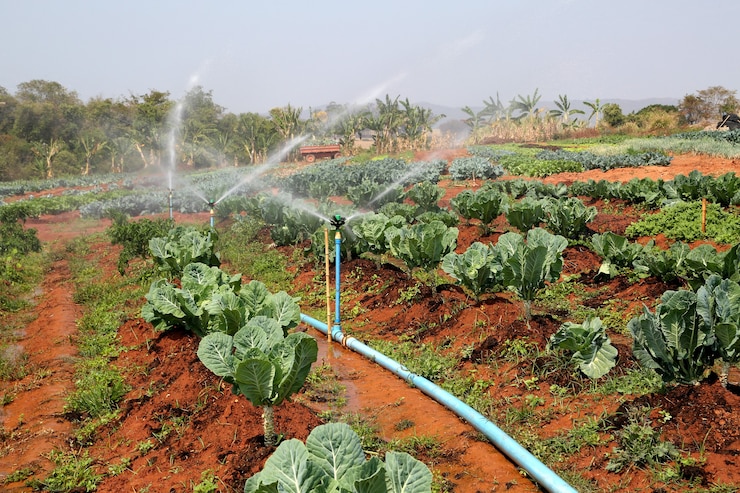
Micro sprinkler systems offer a different approach by distributing water over a wider area, which can benefit crops that require more surface moisture. These systems are suitable for orchards, leafy vegetables and crops grown in sandy soils where water needs to spread evenly. Micro sprinklers can also help cool plants during periods of high heat, reducing stress and improving survival rates. While they use more water than drip systems, they provide better coverage for certain farming conditions. Farmers often choose this method when they need a balance between efficiency and broader irrigation coverage.
Solar powered irrigation systems are becoming more popular among small farmers who want to reduce energy costs and improve efficiency. These systems use solar panels to power water pumps and automate irrigation schedules, which helps maintain consistent watering without relying on electricity. Automation reduces manual work and ensures crops receive water at the right time each day. This approach is especially useful in remote areas where access to power is limited or unreliable. Over time, solar irrigation systems can lower operational costs while supporting sustainable farming practices.
Choosing the best irrigation system depends on factors such as farm size, crop type and water availability. Drip irrigation is ideal for farmers focused on saving water and maximizing efficiency, while micro sprinklers work better for crops that need wider coverage. Solar powered systems add convenience and reduce long term energy costs, making them a strong option for off grid farming. Farmers should also consider maintenance requirements and initial investment when selecting a system. With the right irrigation strategy, small farms in South Africa can improve productivity, conserve water and build more resilient agricultural operations.
Join 'Farmers Mag' WhatsApp Channel
Get the latest Farming news and tips delivered straight to your WhatsApp
CLICK HERE TO JOIN