Efforts to contain Foot and Mouth Disease in Limpopo continue to gain momentum, with targeted interventions being implemented across high risk farming zones. One of the latest activities took place at Vlieland Boerdery, located within the Capricorn North Western Agro Ecological Zone. The farm has become an active site in the province’s coordinated disease control programme, reflecting the importance of both commercial and communal farming operations in managing outbreaks. Authorities are focusing on practical actions that directly reduce the risk of disease spread. These include vaccination campaigns, surveillance and close collaboration with farmers on the ground.
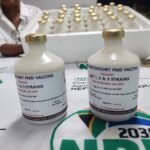
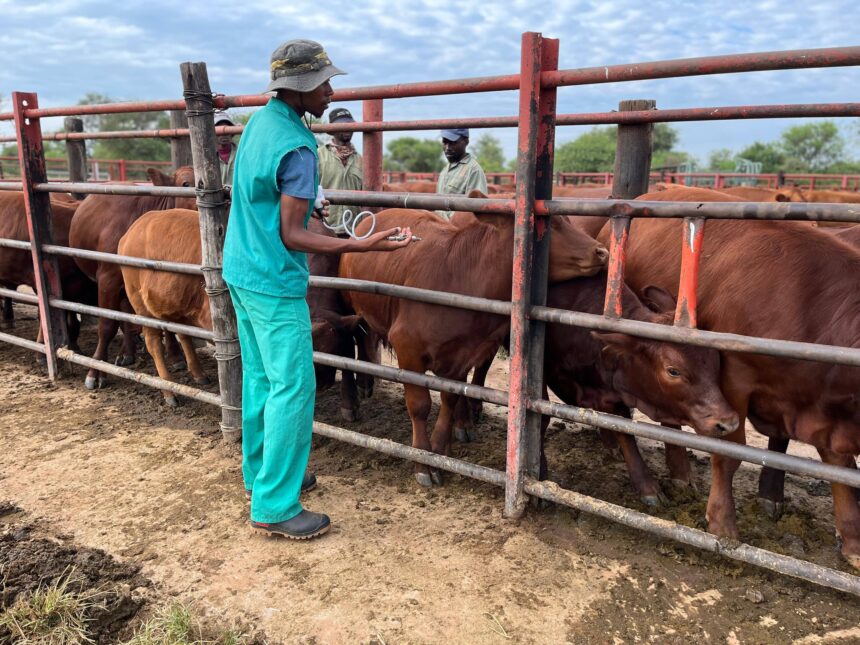
At Vlieland Boerdery, a total of 680 cattle across four kraals are currently being vaccinated as part of the broader containment strategy. This effort is supported by the collection of 30 blood samples, which will be used for testing and monitoring the presence of the virus. These surveillance measures are critical in detecting infection patterns and guiding response strategies. The combination of vaccination and testing provides both immediate protection and long term data for disease management. This structured approach ensures that interventions are based on evidence and can be adjusted as needed.
Farmer Shaun White has played an active role in supporting these efforts, working closely with veterinary teams to ensure that his livestock are protected. His participation highlights the importance of farmer involvement in disease control programmes. Without cooperation at farm level, large scale containment strategies would struggle to succeed. By allowing access for vaccination and testing, farmers contribute directly to protecting the wider agricultural sector. This partnership between government and farmers strengthens the overall response to the outbreak.
Across the Capricorn District, vaccination numbers continue to rise as authorities scale up interventions. To date, more than 25,000 livestock have been vaccinated in the district, showing a strong commitment to controlling the spread of the disease. Of these, approximately 10,000 animals come from communal farming areas, while 15,000 are from commercial operations. This balanced approach ensures that all farming systems are included in the response. It also recognises that disease transmission can occur across different types of farming environments if not properly managed.
The current strategy places a strong emphasis on commercial farms and identified high risk zones, particularly in areas where outbreaks have already been reported. These locations are prioritised because of their potential to accelerate the spread of the disease if left unchecked. By focusing resources in these zones, authorities aim to contain infections before they move into new regions. This targeted response improves efficiency and ensures that limited resources are used effectively. It also helps protect supply chains that depend on stable livestock production.
Foot and Mouth Disease remains a serious threat due to its highly contagious nature and its ability to spread quickly among cloven hoofed animals. Once introduced into a herd, the virus can move rapidly if strict controls are not in place. This is why vaccination, movement restrictions and ongoing monitoring are essential components of the response strategy. Each of these measures plays a specific role in limiting transmission and protecting animal health. Together, they form a comprehensive system designed to safeguard both livestock and the agricultural economy.
The ongoing work at Vlieland Boerdery demonstrates how coordinated action at farm level contributes to broader provincial and national disease control efforts. By combining vaccination, surveillance and farmer cooperation, authorities are building a strong defence against further outbreaks. The progress made in the Capricorn District shows that targeted interventions can deliver measurable results when properly implemented. Continued vigilance and consistent application of control measures will remain critical in the months ahead. These efforts are essential not only for protecting livestock but also for ensuring food security and sustaining South Africa’s agricultural sector.
Join 'Farmers Mag' WhatsApp Channel
Get the latest Farming news and tips delivered straight to your WhatsApp
CLICK HERE TO JOIN