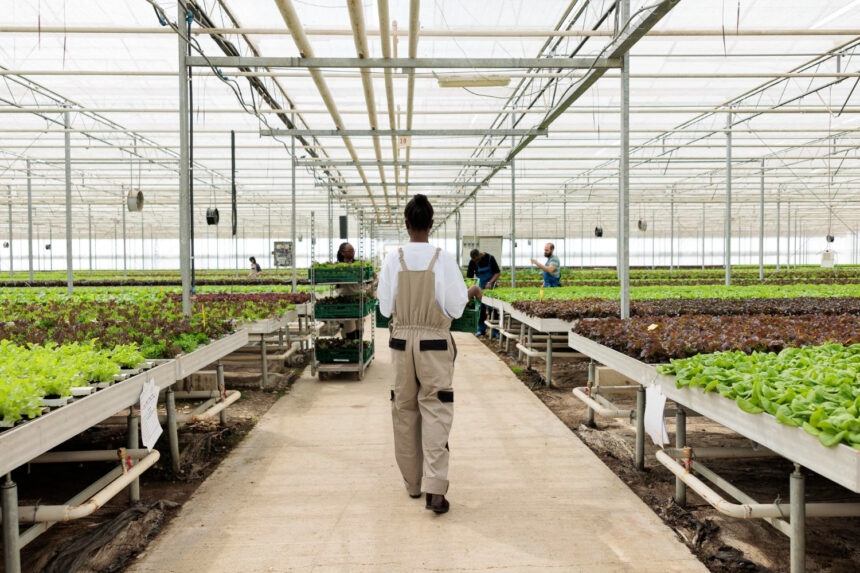
Hydroponics and undercover growing are transforming agriculture in South Africa by offering farmers a way to produce crops efficiently while conserving water and space. These systems allow plants to grow without soil, using nutrient-rich solutions to deliver essential minerals directly to the roots. In a country where water scarcity is a growing concern, hydroponics provides a sustainable solution that reduces water usage by up to 90 percent compared to traditional farming. Undercover growing, including greenhouses and tunnels, protects crops from harsh weather, pests, and diseases, ensuring higher yields and more predictable harvests. For both small-scale and commercial farmers, these methods represent an opportunity to increase productivity, diversify crops, and enter new markets with fresh and high-quality produce.
To begin with hydroponics, understanding the different systems is crucial. Popular setups include nutrient film technique, deep water culture, drip systems, and aeroponics, each offering unique advantages depending on the crop and available space. For instance, leafy greens and herbs thrive in nutrient film systems, while fruiting crops like tomatoes and peppers perform better in drip or aeroponic setups. South African farmers must also consider the local climate and available resources, as maintaining stable temperatures and humidity levels is essential for optimal growth. Proper monitoring of pH, electrical conductivity, and nutrient concentration ensures that plants receive the right balance for healthy development. Investment in quality pumps, grow lights, and timers can significantly improve efficiency and reduce labor, making the system more sustainable over time.
Undercover growing complements hydroponics by providing an environment controlled for light, temperature, and humidity. Greenhouses, high tunnels, and shade nets extend the growing season and reduce losses caused by extreme weather or insect infestations. In South Africa, many smallholder farmers have successfully increased yields of tomatoes, peppers, and cucumbers by moving production indoors or under protective structures. These systems also enable year-round cultivation, allowing farmers to supply markets when open-field production is low. Integrating hydroponics with undercover growing maximizes space usage, especially in urban and peri-urban areas where land is limited. By carefully managing ventilation, irrigation, and pest control, farmers can achieve higher-quality produce that meets the standards of local supermarkets and export markets.
Education and training play a critical role in successfully adopting these methods. Several South African agricultural colleges and extension programs provide practical guidance on hydroponics, nutrient management, and greenhouse operation. Online resources, workshops, and community projects can also help beginners understand the technical requirements and common pitfalls. Funding and support from government programs or private initiatives can assist farmers in acquiring the necessary equipment and materials. Building a network with other hydroponic growers provides insights into market trends, crop selection, and troubleshooting. With the right knowledge and resources, both new and experienced farmers can make undercover and hydroponic systems a viable and profitable part of their operations.
Hydroponics and undercover growing offer South African farmers innovative ways to produce crops efficiently, sustainably, and profitably. These methods address challenges such as water scarcity, land limitations, and unpredictable weather, while increasing the potential for higher yields and year-round production. By understanding system options, maintaining proper environmental controls, and investing in education and infrastructure, farmers can establish reliable and high-quality production systems. The integration of these technologies opens access to niche markets and strengthens food security in communities. With careful planning, commitment, and support, hydroponics and undercover growing can become a cornerstone of modern agriculture in South Africa, providing opportunities for growth, innovation, and long-term sustainability.
Join 'Farmers Mag' WhatsApp Channel
Get the latest Farming news and tips delivered straight to your WhatsApp
CLICK HERE TO JOIN