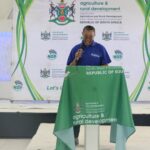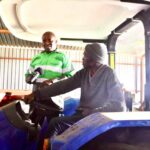
The KwaZulu-Natal Department of Agriculture and Rural Development, led by MEC Mrs. Thembeni kaMadlopha-Mthethwa, is actively encouraging communities to adopt sustainable farming practices to address food insecurity. Speaking to hundreds of members of the uMfula sub-district of the eNhlanganweni Evangelical Church in Jozini during Easter celebrations, she highlighted the critical role of agriculture in supporting livelihoods. MEC kaMadlopha-Mthethwa emphasized that households can transform their backyards into productive gardens through the “one home, one garden” initiative, creating a sustainable source of food for families. The department has supported this effort by producing 10 million seedlings across six research stations in the province, distributing them to churches, schools, and hospitals as part of the “One Institution, One Garden” programme. This initiative aligns with broader provincial goals of promoting self-reliance, improving nutrition, and stimulating small-scale food production across communities.
The MEC urged households to actively participate in agricultural activities, noting that uMkhanyakude has fertile land that serves as a vital food-producing area for the province. She stressed that this land should be used productively to ensure both food security and economic benefit. Families are encouraged to involve their children in gardening activities and promote agriculture as a respected field of study in higher learning institutions, rather than treating it as a last resort. Schools are advised to integrate agricultural learning in a positive manner and avoid assigning agricultural tasks as punishment, ensuring that learners see farming as an opportunity rather than a chore. By nurturing interest in agriculture from a young age, communities can develop a skilled future workforce capable of sustaining local food systems.
MEC kaMadlopha-Mthethwa also highlighted the department’s targeted empowerment programmes designed to prioritize youths, women, and people with disabilities. She underscored the potential role of faith-based organizations in promoting sustainable food practices, emphasizing that churches can encourage congregants to embrace self-help and self-reliance. By actively participating in backyard gardening and community farming, individuals can improve their household nutrition and contribute to broader community food security. The department’s support through seedlings, technical guidance, and training complements these efforts, making it easier for households and institutions to start and maintain productive gardens. This holistic approach ensures that food security interventions are inclusive and reach vulnerable members of society.
The “One Home, One Garden” and “One Institution, One Garden” initiatives are designed to create lasting impacts on the province’s food security landscape. By converting available land into productive spaces, communities can reduce dependency on external food sources and create a culture of sustainable farming. Engagement from faith-based organizations, schools, and local institutions amplifies the message, creating networks of support and shared knowledge. The focus on youth empowerment and skills development ensures that agriculture remains a viable and respected career path. Through these concerted efforts, the KwaZulu-Natal Department of Agriculture and Rural Development aims to build resilient communities capable of producing their own food and strengthening local economies.
MEC kaMadlopha-Mthethwa’s call for the adoption of backyard gardens underscores the critical role of agriculture in achieving food security and community empowerment. By encouraging households, schools, and faith-based organizations to actively participate in these initiatives, the department is fostering self-reliance and sustainable food production. The provision of millions of seedlings, combined with technical support, ensures that the programme is accessible and practical for all participants. Promoting agriculture as a respected field of study and livelihood will help build a generation of skilled farmers and gardeners. Ultimately, these initiatives strengthen community resilience, enhance nutrition, and create lasting opportunities for economic growth and sustainability in KwaZulu-Natal.
Join 'Farmers Mag' WhatsApp Channel
Get the latest Farming news and tips delivered straight to your WhatsApp
CLICK HERE TO JOIN