Small farmers in South Africa face constant pressure to produce more with limited resources, tight budgets, and unpredictable conditions. Access to affordable farming tools can directly improve productivity, reduce labour demands, and increase income potential. Many smallholder farmers still rely on manual methods, which often limit efficiency and lead to lower yields. Practical and low-cost tools can help close this gap without requiring large financial investment. The right equipment allows you to plant faster, manage crops better, and reduce losses after harvest. As agriculture continues to evolve, affordable tools remain one of the most effective ways to strengthen small-scale farming.
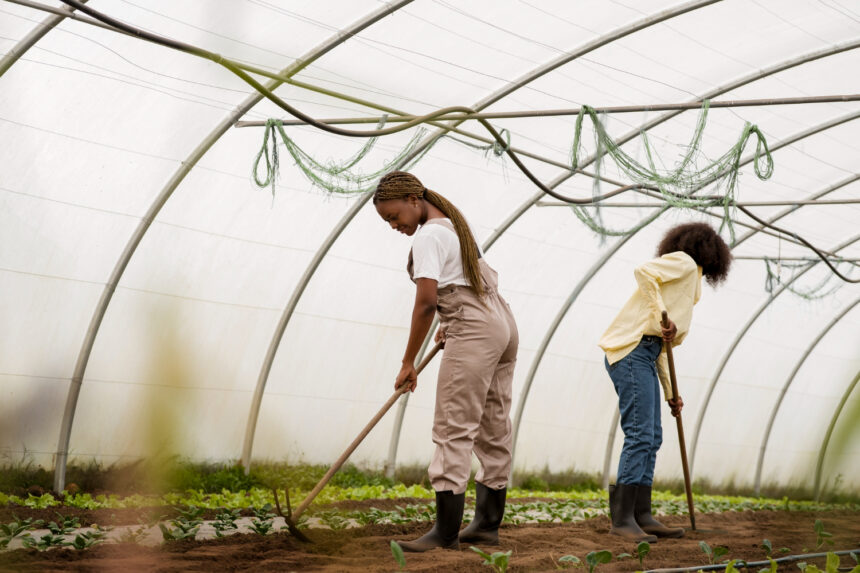
Basic hand tools remain essential because they are inexpensive, easy to maintain, and widely available. Tools such as hoes, spades, rakes, and pruning shears help with soil preparation, planting, and crop maintenance. These tools require no fuel or electricity, which makes them ideal for rural areas with limited infrastructure. Even simple equipment like wheelbarrows can save hours of manual labour when transporting inputs or harvested produce. Many small farms depend on these tools daily because they offer reliability and low operating costs. While basic, they form the foundation of efficient small-scale farming systems.
Affordable mechanisation is becoming more accessible through smaller and shared equipment options. Instead of buying expensive tractors, many farmers now access machinery through rental services or shared ownership models. Platforms that connect farmers to tractor services help reduce costs while improving efficiency during peak seasons. Small machines such as mini tillers and small seed planters also provide a cost-effective alternative to large-scale equipment. These tools allow you to prepare land and plant crops more quickly without heavy financial risk. Mechanisation at the right scale helps you save time and increase productivity without overspending.
Irrigation and water management tools are critical for improving yields, especially in areas with inconsistent rainfall. Affordable options like manual or foot-powered irrigation pumps enable farmers to grow crops throughout the year. These systems do not rely on electricity, which makes them practical in remote locations. Farmers using low-cost irrigation solutions often report higher production and more stable income. Simple drip irrigation kits also help conserve water while delivering moisture directly to plant roots. Investing in basic irrigation tools can transform small farms by improving crop consistency and reducing risk.
Post-harvest tools play a major role in protecting income by reducing losses. Many small farmers lose a portion of their harvest due to poor storage or spoilage. Affordable solutions such as hermetic storage bags and small drying machines help extend shelf life and maintain product quality. Drying equipment, for example, allows you to preserve fruits and vegetables for longer periods and sell them when market prices are better. Processing tools like oil presses or feed mixers also create new income streams by adding value to raw produce. These tools help you move beyond basic farming into small-scale agribusiness.
Digital tools are slowly becoming part of small-scale farming, although cost remains a barrier for many farmers. Mobile applications and simple digital platforms can provide access to market prices, weather data, and farming advice. Some platforms also connect farmers to buyers and financial support, improving access to markets and funding. However, high costs and limited connectivity still prevent widespread adoption of advanced technologies. For many small farmers, low-cost and easy-to-use digital tools offer the most practical entry point into modern agriculture. These tools support better decision-making without requiring major investment.
Affordable farming tools are not just about reducing costs, they are about improving efficiency, sustainability, and long-term success. When you choose tools that match your farm size and budget, you can increase productivity without taking on unnecessary financial risk. South Africa’s smallholder farmers can benefit greatly from combining basic tools, small-scale mechanisation, and simple technology. Continued access to affordable equipment will play a key role in strengthening food security and rural livelihoods. As more practical solutions become available, small farmers are better positioned to grow their operations and compete in local markets. The future of small-scale farming depends on smart investment in tools that deliver real value and measurable results.
Join 'Farmers Mag' WhatsApp Channel
Get the latest Farming news and tips delivered straight to your WhatsApp
CLICK HERE TO JOIN