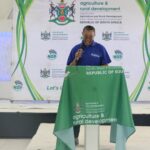
The KwaZulu-Natal Department of Agriculture and Rural Development is taking decisive action to address youth unemployment and strengthen the agricultural sector through targeted programmes led by MEC Thembeni kaMadlopha-Mthethwa. Speaking at Mandeni’s Sibusisiwe Community Hall, the MEC reaffirmed her commitment to involving more young people in agriculture, highlighting the sector’s shift toward modern methods that appeal to younger generations. The introduction of 133 participants in the Unemployed Agricultural Graduate Programme and 109 Assistant Agricultural Practitioners marked a significant milestone in this effort. These initiatives are aligned with a broader directive to prioritise youth, including women and people with disabilities, ensuring inclusive participation in agricultural development. The programmes reflect a focused approach to transforming agriculture into a sector that offers real opportunities for employment, skills development, and economic growth.
The Unemployed Agricultural Graduate Programme is designed to equip young graduates with practical, on-the-job experience while developing entrepreneurial skills. Many graduates leave institutions with theoretical knowledge but lack the hands-on exposure needed to succeed in the agricultural industry. This programme addresses that gap by placing participants in real farming environments where they can apply their knowledge and gain valuable experience. It also contributes to increased food production by integrating skilled young people into active agricultural operations. At the same time, the initiative helps address the challenge of an aging farming population by preparing a new generation of producers who can sustain and grow the sector.
The Assistant Agricultural Practitioners programme plays an equally important role in strengthening extension services across the province. Extension officers are essential in supporting farmers with technical advice, improving productivity, and ensuring the adoption of best practices. Currently, South Africa faces a significant shortage of extension officers, with each officer supporting more than 1,700 farmers instead of the recommended 250. By introducing 109 new assistant practitioners, the Department is taking steps to reduce this gap and improve service delivery. These practitioners will support experienced extension officers, helping to expand the reach and effectiveness of advisory services in rural communities. Strengthening extension services directly contributes to improved agricultural output, food security, and sustainable livelihoods.
The urgency of these programmes is underscored by the country’s high youth unemployment rate. According to the General Household Survey Report of 2025, youth unemployment reached 43 percent in the fourth quarter, with a significant portion of unemployed individuals being graduates. This highlights a critical need for initiatives that not only create jobs but also provide meaningful work experience and career pathways. The Department’s approach recognises that agriculture has the potential to absorb a large number of young people if supported by structured programmes and investment. By focusing on youth empowerment, the MEC is positioning agriculture as a viable solution to unemployment and a driver of economic inclusion.
In addition to creating opportunities, the Department has ensured that all 242 beneficiaries of the two programmes are deployed across all 11 districts in KwaZulu-Natal. This wide distribution ensures that the impact of the initiatives reaches both urban and rural areas, supporting farmers and communities across the province. The deployment strategy also allows participants to gain diverse experiences, working in different agricultural environments and contributing to various production systems. This practical exposure strengthens their skills and prepares them for long-term careers in the sector. It also ensures that the benefits of the programmes are felt at grassroots level, where agricultural support is most needed.
MEC Thembeni kaMadlopha-Mthethwa has made it clear that while these programmes may not solve all challenges facing the sector, they represent a meaningful step toward addressing youth unemployment and strengthening agriculture. Her commitment to supporting young people in 2026 reflects a clear vision for the future, where agriculture becomes a key driver of opportunity and transformation. By investing in youth, expanding extension services, and creating pathways for graduates, the Department is building a more resilient and inclusive agricultural sector. These initiatives demonstrate that with focused leadership and practical action, agriculture can play a central role in improving livelihoods and shaping a better future for young people in KwaZulu-Natal.
Join 'Farmers Mag' WhatsApp Channel
Get the latest Farming news and tips delivered straight to your WhatsApp
CLICK HERE TO JOIN