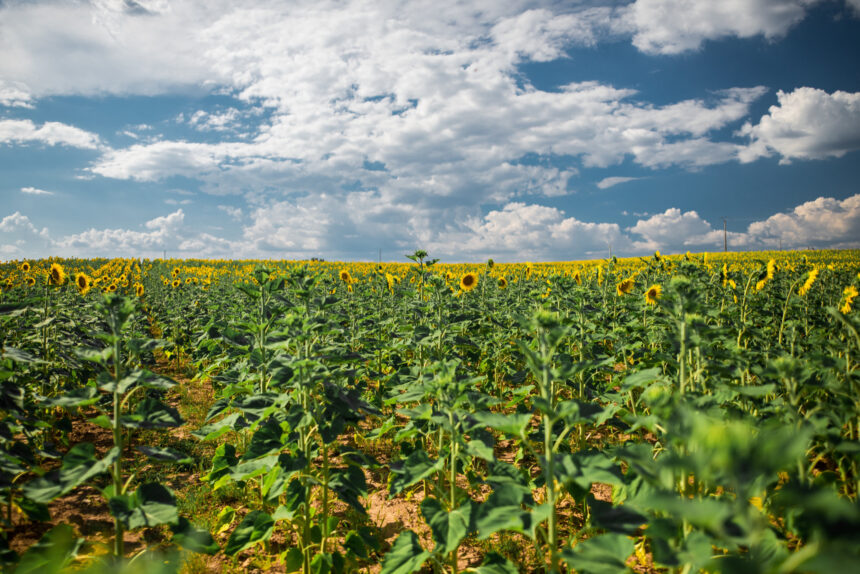
Sunflower farming in South Africa presents a practical opportunity for farmers who want a reliable and adaptable crop with strong market demand. Sunflowers are widely grown across provinces such as the Free State, North West, and parts of Mpumalanga due to their tolerance to dry conditions and relatively low input requirements. The crop plays a key role in the country’s agricultural economy, mainly through the production of sunflower oil and animal feed. Farmers are drawn to sunflowers because they offer a shorter growing cycle compared to other crops, allowing for quicker returns within a single season. With proper planning and management, sunflower farming can deliver consistent profits while supporting food security and local supply chains.
Profitability in sunflower farming starts with selecting the right land and understanding soil conditions. Sunflowers perform best in well-drained soils with moderate fertility, and they can tolerate slightly acidic to neutral pH levels. Farmers need to conduct soil tests before planting to determine nutrient levels and apply fertilizers where necessary. Land preparation must be done carefully to ensure good seed-to-soil contact, which directly affects germination rates. By investing in proper soil management, farmers can improve plant health and increase yield potential, which directly impacts profitability at harvest time.
Choosing the right sunflower seed variety is another critical factor that influences profit. In South Africa, farmers can select from various hybrid seeds that offer higher yields, disease resistance, and better oil content. While hybrid seeds may cost more upfront, they often deliver better returns due to improved performance under local conditions. Farmers should consider climate patterns, rainfall levels, and pest resistance when selecting seeds to ensure they match the environment. Using certified seeds also reduces the risk of poor germination and uneven crop growth, which can lead to financial losses.
Input costs in sunflower farming are generally lower than many other crops, but they still require careful management to protect profit margins. Key expenses include seeds, fertilizers, herbicides, and basic machinery for planting and harvesting. Sunflowers are relatively drought-tolerant, which reduces irrigation costs in many regions, making them suitable for dryland farming systems. Weed control is essential during the early growth stages, as competition can significantly reduce yields. By managing inputs efficiently and avoiding unnecessary expenses, farmers can maintain a strong balance between cost and output.
Yield and market pricing are the main drivers of profitability in sunflower farming. On average, South African farmers can expect yields ranging from 1 to 2 tons per hectare under normal conditions, although this can vary based on rainfall, soil quality, and farming practices. Market prices for sunflower seeds fluctuate depending on supply, demand, and global oilseed trends, but the crop generally maintains stable demand due to its use in cooking oil production. Farmers who monitor market trends and time their sales effectively can improve their returns. Selling directly to processors or through cooperatives can also provide better pricing opportunities and reduce transportation challenges.
Risk management is an important part of maintaining consistent profits in sunflower farming. Weather conditions remain one of the biggest risks, especially in areas prone to drought or irregular rainfall. Pests such as cutworms and diseases like rust can also affect crop performance if not managed early. Farmers can reduce these risks by practicing crop rotation, monitoring fields regularly, and using approved pest control methods. Diversifying income streams by combining sunflower farming with other crops or livestock can also provide financial stability during poor seasons.
Sunflower farming in South Africa offers a clear pathway to profitability when approached with planning, discipline, and a focus on efficiency. The crop’s adaptability, lower input requirements, and strong market demand make it an attractive option for both small-scale and commercial farmers. By investing in good soil management, selecting the right seed varieties, controlling costs, and understanding market dynamics, farmers can build a sustainable and profitable operation. Success in sunflower farming depends on consistent effort and informed decision-making, but the potential rewards make it a worthwhile venture for those committed to agricultural growth.
Join 'Farmers Mag' WhatsApp Channel
Get the latest Farming news and tips delivered straight to your WhatsApp
CLICK HERE TO JOIN