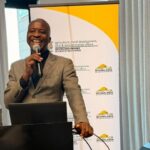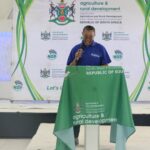
The KwaZulu-Natal MEC for the Department of Agriculture and Rural Development, Mrs. kaMadlopha-Mthethwa, has raised concerns over the low number of dairy farmers from previously disadvantaged communities. She addressed this issue during a keynote speech at the qualification conferment ceremony for 98 graduates at Cedara College of Agriculture in Howick, uMngeni Local Municipality. The graduating class included 170 students overall, with diplomas and learnership certificates awarded, including graduates from Inkosi Owen Sithole College of Agriculture earlier in the week. University of KwaZulu-Natal students also received Celebration Certificates marking their progress toward completing Bachelor’s Degrees. Since its founding in 1905, Cedara College has maintained a reputation for academic excellence, producing skilled professionals such as veterinarians, agronomists, and agricultural scientists who have made notable contributions to the sector. MEC kaMadlopha-Mthethwa emphasized the importance of addressing gaps in industry representation to ensure a more inclusive agricultural sector.
During her address, the MEC noted that the dairy industry has historically lacked participation from previously disadvantaged communities, particularly since South Africa’s transition to democracy in 1994. She encouraged young graduates to explore opportunities in milk production, highlighting the potential for growth and impact in the sector. She urged them to seek mentorship from experienced commercial farmers and former graduates, emphasizing the value of guidance in building a successful career. MEC kaMadlopha-Mthethwa also advised graduates to connect with departmental extension officers, who can provide ongoing support and practical advice. By fostering mentorship and collaboration, she highlighted a pathway for graduates to become active contributors to the dairy industry and broader agricultural development.
The MEC further addressed departmental operations, stressing the need for the head office to delegate specific roles and functions to district offices. This decentralization aims to empower local offices, strengthen daily operations, and enhance service delivery to farmers. By giving district offices more responsibility, the department can respond more efficiently to community needs, support emerging farmers, and promote growth in underrepresented sectors. Strengthening district-level operations also ensures that young farmers receive timely guidance and practical assistance as they establish themselves in agriculture. This approach aligns with the MEC’s vision of developing a more inclusive and dynamic agricultural sector that benefits all communities.
The ceremony concluded with recognition of top-performing graduates and directives to support employment opportunities for high achievers. The Dux of the 2025 class, Sithembiso Mgenge from Mandeni on the north coast, received ten academic awards and one for service above self. The second-highest achiever, Alexandra Pettit from Camperdown in the Midlands, earned six academic awards. MEC kaMadlopha-Mthethwa instructed departmental officials to offer employment opportunities to both top performers, demonstrating the department’s commitment to nurturing talent and providing practical career pathways. These actions underscore the importance of linking academic achievement with professional growth and support for emerging agricultural leaders.
MEC kaMadlopha-Mthethwa’s address highlighted the urgent need to increase participation of previously disadvantaged communities in the dairy industry. By encouraging mentorship, engagement with extension officers, and departmental support, she outlined practical strategies for graduates to enter and succeed in the sector. Cedara College of Agriculture continues to play a pivotal role in producing highly skilled professionals equipped to contribute to South Africa’s agricultural growth. Empowering district offices and providing career opportunities for top graduates reinforces the government’s commitment to developing an inclusive, vibrant agricultural workforce. With sustained effort, mentorship, and institutional support, the dairy industry and broader agricultural sector can become more representative, innovative, and profitable.
Join 'Farmers Mag' WhatsApp Channel
Get the latest Farming news and tips delivered straight to your WhatsApp
CLICK HERE TO JOIN