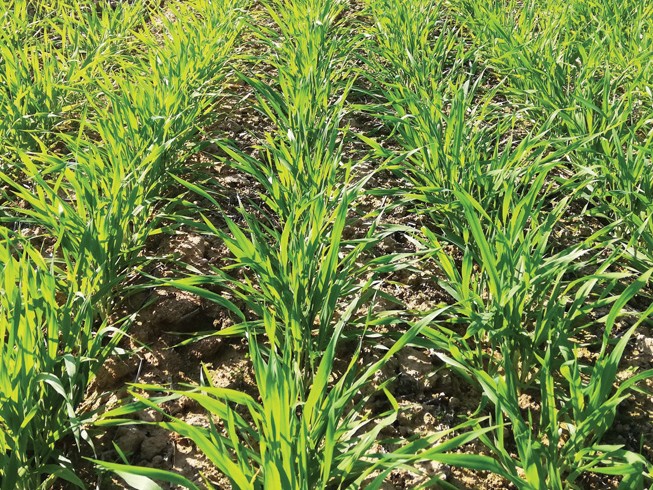
Barley is one of South Africa’s most versatile cereal crops, valued for its use in animal feed, brewing, and human consumption. Its adaptability to a range of climatic conditions makes it an attractive option for both commercial and smallholder farmers. Growing barley requires careful planning, knowledge of soil and climate requirements, and proper management to ensure healthy yields. For beginners, understanding the fundamental principles of soil preparation, planting, and crop care is essential to achieving success. By following practical guidelines, farmers can optimize growth, protect crops from pests and diseases, and maximize both quality and output.
Successful barley cultivation starts with selecting the right variety for the local environment. South African farmers typically choose from spring and winter barley varieties, depending on rainfall patterns and intended use. Spring barley grows quickly in regions with higher temperatures and moderate rainfall, while winter barley thrives in cooler areas with more consistent precipitation. Soil testing is crucial before planting, as barley prefers well-drained soils with a pH range of 6 to 7. Adequate fertility, especially nitrogen and phosphorus, is necessary to support vigorous growth and improve grain quality. Choosing a suitable variety and preparing the soil correctly lays the foundation for a healthy crop cycle.
Planting techniques and timing play a critical role in barley production. Seeds should be sown at the appropriate depth, usually between 2 and 4 centimeters, with a seeding rate adjusted to soil fertility and row spacing. Early planting ensures that crops establish well before the onset of high temperatures or drought conditions, which can reduce yields. Irrigation may be necessary in drier regions to support seedling establishment and prevent stress during critical growth stages. Proper planting not only improves germination and emergence but also helps reduce competition from weeds, which can significantly impact yield if not managed.
Crop management extends beyond planting and includes weed control, pest and disease management, and monitoring plant health. Barley is susceptible to fungal diseases such as leaf rust and powdery mildew, which can be mitigated through crop rotation, resistant varieties, and timely application of fungicides. Regular scouting of fields helps identify early signs of pest infestations, allowing for prompt intervention. Fertilization during growth stages should follow soil test recommendations to prevent nutrient deficiencies and encourage uniform development. Adequate care throughout the growing season ensures the crop reaches full potential, both in yield and grain quality.
Harvesting and post-harvest handling are critical to preserving the value of barley. Crops are ready for harvest when the grains reach physiological maturity, typically indicated by a hard texture and reduced moisture content. Improper or delayed harvesting can lead to losses due to shattering, pests, or fungal growth. After harvesting, grains should be dried to the recommended moisture level and stored in well-ventilated facilities to prevent spoilage. Proper storage maintains quality, supports market value, and ensures that barley remains suitable for feed, brewing, or other uses. Attention to post-harvest management is just as important as field practices for achieving overall success.
Growing barley in South Africa requires careful attention to variety selection, soil preparation, planting, crop management, and post-harvest handling. By following these guidelines, beginners can achieve healthy, high-yielding crops that meet market or farm needs. Practical knowledge, consistent monitoring, and proactive management of pests and diseases are key to reducing risks and maximizing returns. Barley cultivation offers opportunities for both commercial and small-scale farmers to diversify production and contribute to food security. With proper planning and dedication, South African farmers can successfully integrate barley into their crop rotation and farming systems.
Join 'Farmers Mag' WhatsApp Channel
Get the latest Farming news and tips delivered straight to your WhatsApp
CLICK HERE TO JOIN