South Africa is intensifying its response to Foot-and-Mouth Disease as the government moves quickly to secure critical vaccine supplies needed to protect the national herd. The Minister of Agriculture, John Steenhuisen, has welcomed the swift intervention by the South African Health Products Regulatory Authority, which has expedited the importation of six million Dollvet vaccine doses. This development comes at a crucial time when outbreaks continue to threaten livestock production, farmer livelihoods, and food security. Rapid access to vaccines is essential to contain the spread of the disease and stabilize the agricultural sector. The coordinated effort highlights the urgency of the situation and the need for decisive action to safeguard the country’s livestock industry.
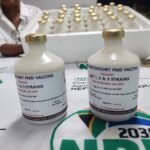
The process gained momentum following the issuance of a Section 21 permit on Friday, allowing for the immediate importation of two million doses of the Dollvet vaccine. SAHPRA has confirmed that two additional permits will be issued to cover the remaining four million doses, ensuring a steady supply of vaccines in the coming weeks. The phased procurement of these doses in batches of two million is necessary due to logistical constraints linked to the ongoing conflict in the Middle East. Despite these challenges, South Africa has already made progress, with 1.5 million Dollvet vaccine doses from Turkey arriving in the country on 1 March 2026. This steady inflow of vaccines strengthens the national response and supports ongoing disease control efforts.
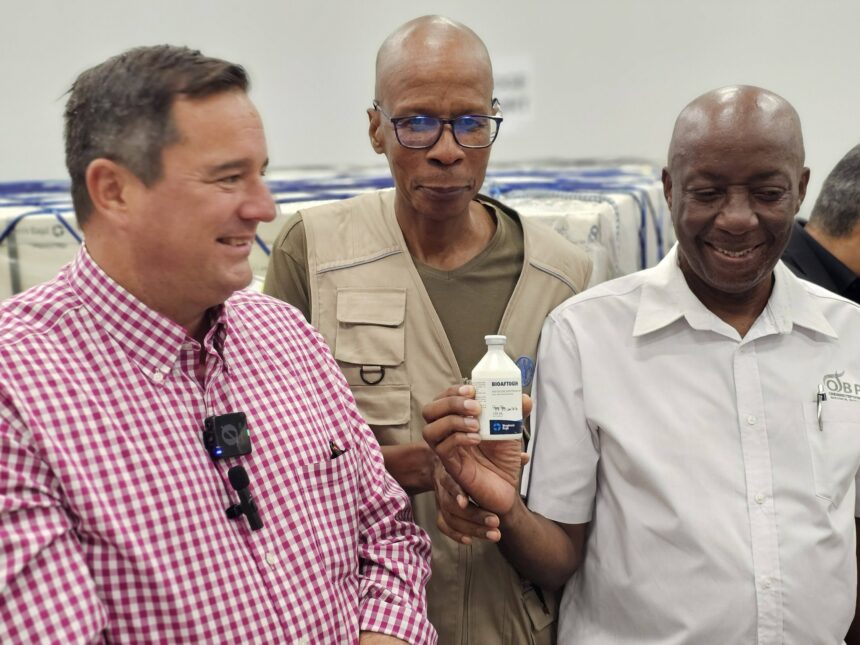
In addition to the Dollvet vaccines, the Department of Agriculture is also preparing to secure five million doses of the Biogénesis Bagó vaccine to further boost the country’s capacity to fight Foot-and-Mouth Disease. Last month, one million doses of this vaccine were successfully delivered from Argentina, adding to the available stock for vaccination campaigns. These combined efforts reflect a comprehensive strategy to ensure that sufficient vaccines are available to meet the demands of affected regions. By diversifying supply sources, the department reduces the risk of shortages and strengthens the overall resilience of the response. Access to multiple vaccine streams is critical in managing outbreaks effectively and preventing further spread.
Minister Steenhuisen emphasized the importance of collaboration in overcoming the challenges associated with vaccine procurement and distribution. He acknowledged the vital role played by the private sector in navigating complex logistics and ensuring that vaccines reach South Africa despite global disruptions. Farmers and other stakeholders have also been recognized for their resilience and cooperation during this difficult period. Their willingness to work alongside government efforts has been key in maintaining progress in disease control. This united approach reinforces the idea that managing Foot-and-Mouth Disease requires collective action from all parts of the agricultural value chain.
The Department of Agriculture has extended its gratitude to SAHPRA for its responsiveness and clear understanding of the urgency involved in addressing the outbreak. Fast-tracking regulatory processes without compromising safety standards has enabled the country to respond more effectively to the crisis. Timely vaccine availability allows for quicker rollout of vaccination programs, which is essential in limiting the spread of the disease across farms and provinces. Continued coordination between regulatory bodies, government departments, and industry stakeholders will be necessary to sustain momentum. Strong institutional support remains a key factor in ensuring the success of disease control measures.
South Africa’s accelerated vaccine import strategy marks a significant step in protecting livestock, securing farmer livelihoods, and maintaining food production systems. The combined efforts to source, approve, and distribute millions of vaccine doses demonstrate a proactive and determined response to Foot-and-Mouth Disease. With ongoing support from partners and stakeholders, the country is better positioned to contain the outbreak and prevent future disruptions. Sustained vigilance, cooperation, and investment in animal health will be critical in the months ahead. Protecting the national herd is not only an agricultural priority but also a vital component of long-term food security and economic stability.
Join 'Farmers Mag' WhatsApp Channel
Get the latest Farming news and tips delivered straight to your WhatsApp
CLICK HERE TO JOIN