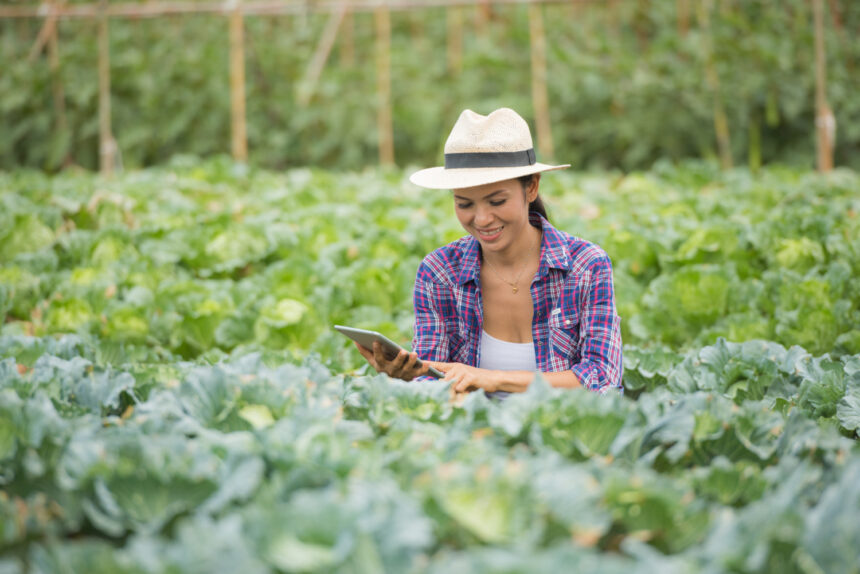
Agriculture in South Africa is going through a major shift driven by technology and innovation. Agritech startups are changing how farmers produce, manage, and sell their goods in a sector that has long relied on traditional methods. These startups focus on solving real problems such as water scarcity, low productivity, limited market access, and high input costs. Farmers are now using digital tools, data systems, and smart equipment to improve efficiency and profitability. This shift is not limited to large commercial farms, as small and medium scale farmers are also gaining access to these solutions. As a result, agritech is becoming a key driver of growth and sustainability in the country’s agricultural sector.
One of the biggest changes comes from the use of data driven farming tools. Agritech startups are providing farmers with access to real time data on weather patterns, soil conditions, and crop performance. This information helps farmers make better decisions about planting, irrigation, and harvesting. Instead of relying on guesswork, farmers can now plan with accuracy and reduce losses. Mobile applications play a major role in delivering this data in a simple and accessible way. With a smartphone, a farmer can monitor conditions and respond quickly to changes in the field.
Water management is another area where agritech startups are making a strong impact. South Africa faces frequent droughts and water shortages, which directly affect agricultural output. Startups are introducing smart irrigation systems that use sensors and automation to control water usage. These systems ensure that crops receive the right amount of water at the right time. This reduces waste and lowers costs while maintaining healthy crop growth. Efficient water use is critical for long term sustainability, especially in regions with limited rainfall.
Access to markets has also improved through agritech innovation. Many startups are building digital platforms that connect farmers directly with buyers. These platforms remove middlemen and allow farmers to sell their produce at better prices. Farmers can list their products, negotiate deals, and arrange delivery using these systems. This creates more transparency and improves income stability. It also opens up new opportunities for small farmers who previously struggled to reach larger markets.
Financial access is another key area being transformed by agritech startups. Many farmers face challenges when trying to secure loans or insurance due to a lack of formal records. Startups are using digital records and data tracking to help farmers build financial profiles. This makes it easier for financial institutions to assess risk and provide support. Some platforms even offer microloans and insurance products tailored to farmers. With better access to finance, farmers can invest in equipment, inputs, and expansion.
Precision farming technologies are also becoming more common through agritech solutions. Tools such as drones, satellite imaging, and sensors allow farmers to monitor crops at a detailed level. These technologies help detect pests, diseases, and nutrient deficiencies early. Early detection allows for targeted intervention, which reduces costs and improves yields. Instead of applying inputs across entire fields, farmers can focus only on areas that need attention. This approach increases efficiency and supports sustainable farming practices.
Training and knowledge sharing have improved through digital platforms created by agritech startups. Farmers can now access tutorials, expert advice, and best practices online. This is especially valuable for small scale farmers who may not have access to formal training programs. Learning through mobile platforms is flexible and practical. Farmers can apply new techniques directly in their operations and see results over time. Continuous learning helps farmers adapt to changing conditions and improve their productivity.
Agritech startups are also creating jobs and supporting economic growth in rural areas. These businesses require skilled workers in technology, logistics, and support services. As agritech expands, it creates new opportunities beyond traditional farming roles. Young people are increasingly interested in agriculture because of the integration of technology. This helps address the issue of an aging farming population and brings fresh ideas into the sector. The combination of agriculture and technology is making the industry more attractive and dynamic.
Agritech startups are reshaping farming in South Africa by making it more efficient, accessible, and sustainable. They are solving critical challenges in water use, market access, finance, and productivity through practical solutions. Farmers who adopt these technologies gain a competitive advantage and improve their long term viability. The sector still faces challenges, but the impact of innovation is clear and growing. As more farmers embrace these tools, agritech will continue to play a central role in transforming agriculture across the country.
Join 'Farmers Mag' WhatsApp Channel
Get the latest Farming news and tips delivered straight to your WhatsApp
CLICK HERE TO JOIN