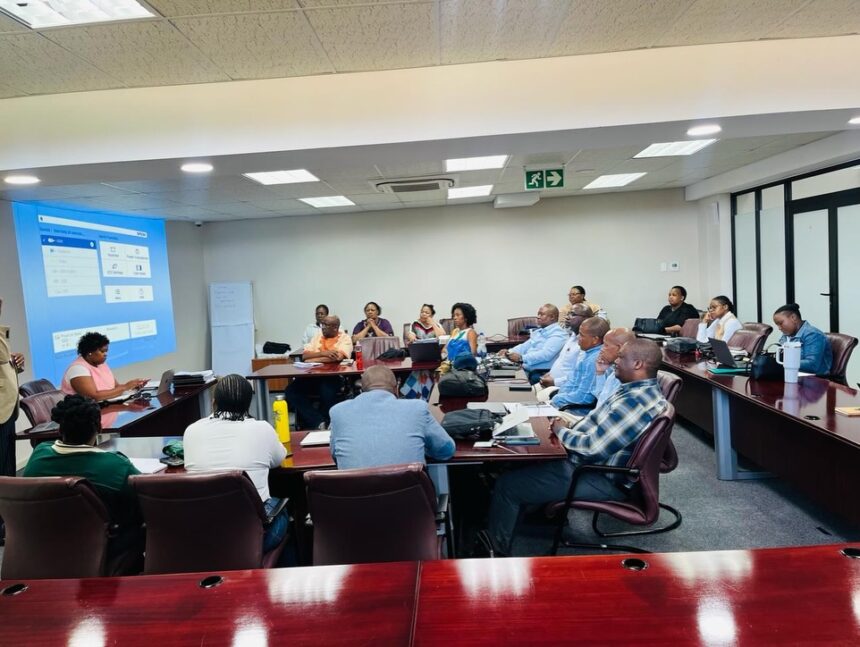
The Eastern Cape Department of Agriculture is implementing a Training of Trainers program on Hazard Analysis and Critical Control Points (HACCP), marking a significant step toward improving food safety across the province’s agricultural sector. This initiative focuses on equipping key stakeholders with the technical knowledge and practical skills needed to support farmers and agro-processors in meeting national and international food safety standards. Food safety is increasingly critical for market access, both locally and globally, and the program aims to ensure that products from the Eastern Cape meet these rigorous requirements. By training trainers, the department amplifies its impact, allowing knowledge and best practices to reach multiple producers and processing facilities efficiently. The session held yesterday in East London demonstrated a proactive approach to capacity building and sectoral compliance.
HACCP is a systematic preventive approach that identifies, evaluates, and controls hazards in food production to ensure products are safe for consumption. The training emphasizes identifying critical control points, implementing monitoring procedures, and establishing corrective actions to prevent contamination. Participants learn how to apply these principles in practical settings, including farms, processing plants, and storage facilities. This knowledge helps producers comply with regulations, maintain high product quality, and minimize the risk of foodborne illnesses. By standardizing processes across the agricultural value chain, the initiative also strengthens consumer confidence in Eastern Cape products, supporting long-term sector growth.
The Training of Trainers model ensures that the skills and knowledge gained during the program are cascaded effectively throughout the industry. Trained individuals become resource persons who can mentor and support farmers, small-scale processors, and cooperatives in implementing HACCP systems. This approach builds a sustainable network of food safety experts capable of maintaining high standards and promoting continuous improvement. It also reduces the burden on regulatory authorities, as producers gain the tools to self-monitor and manage compliance. Over time, this cascading effect enhances overall industry professionalism and creates a culture of food safety across multiple agricultural sectors.
In addition to improving compliance, the HACCP training opens new market opportunities for producers and agro-processors. Products that meet recognized food safety standards are more competitive in both domestic and export markets, allowing producers to command better prices and expand their customer base. Training also equips participants with the skills to document processes, maintain records, and demonstrate compliance during inspections or audits. These capabilities are critical for accessing high-value markets and building long-term business sustainability. The initiative therefore not only protects public health but also contributes directly to economic growth within the agricultural sector.
The Eastern Cape Department of Agriculture’s HACCP Training of Trainers program represents a strategic investment in food safety, industry capacity, and market readiness. By equipping stakeholders with the knowledge and tools to implement rigorous standards, the program enhances the quality and safety of agricultural products across the province. Farmers and agro-processors benefit from increased compliance, access to new markets, and improved operational efficiency. The initiative fosters collaboration, knowledge sharing, and professional development, creating a robust food safety network that will support the sector well into the future. By prioritizing capacity building and sustainable practices, the department ensures that the Eastern Cape remains competitive and trusted in both national and international markets.
Join 'Farmers Mag' WhatsApp Channel
Get the latest Farming news and tips delivered straight to your WhatsApp
CLICK HERE TO JOIN